In brief
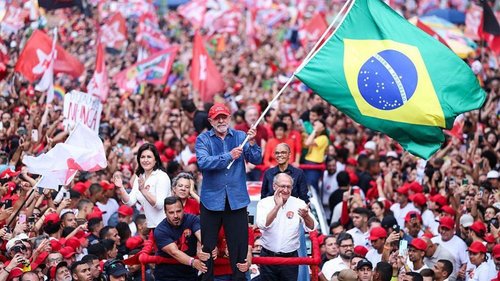
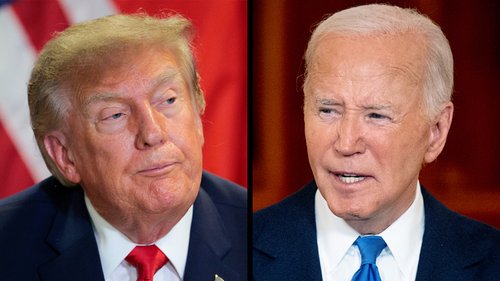
President Luiz Inácio Lula da Silva of Brazil has declared that the country will retaliate against any tariffs imposed by the United States. His statement comes as US President Donald Trump threatened to implement a staggering 50% import tax on Brazilian exports starting August 1. Trump's threat is connected to what he calls Brazil's unfair treatment of former President Jair Bolsonaro, who is currently embroiled in a trial related to alleged coup attempts after losing the presidency to Lula in 2022. Highlighting their long-standing political alliance, Trump referred to Bolsonaro as "a highly respected leader throughout the world."
In response to Trump's letter, which decried the ongoing legal battle as a "witch hunt," Lula made it clear that Brazil would not be subject to US influence, emphasizing its independence as a sovereign nation. Lula stated that any unilateral tariff increases from the US would lead to reciprocal tariffs on American goods. Brazil, which is the US's second-largest trading partner after China, would face significant economic repercussions if the tariff were enacted, raising rates from the current 10% to 50%.Lula disputed Trump's claims of a trade deficit, citing US government statistics indicating a $7.4 billion trade surplus for the US with Brazil in 2024. The main exports from the US include mineral fuels, aircraft, and machinery, while Brazil exports gas, petroleum, iron, and coffee to the US. Trump’s threats were not limited to Brazil, as other nations such as Japan and South Korea received similar warnings. However, the focus of Trump’s letter to Brazil was unique, extending beyond trade issues to include accusations concerning Brazil's legal approach towards social media censorship regarding Bolsonaro. Lula defended Brazil's measures, affirming that they were aimed at combating harmful content like hate speech and child exploitation. Political analysts suggest that Trump’s aggressive stance could inadvertently bolster Lula's domestic standing, similar to the political gains seen by leaders in Mexico, Canada, and Australia who have faced off against Trump. The outcome depends on whether Lula's government can present a unified and organized response to the ongoing challenges posed by the US administration.