In brief
A significant rise in fatalities during nationwide protests in Kenya has been reported, with human rights organizations citing a death toll of 16 as demonstrators rally against government corruption and police violence.
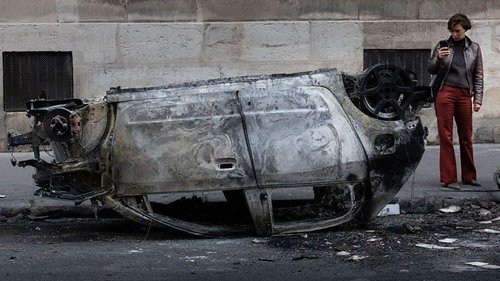
In the wake of escalating protests in Kenya, the death toll has tragically risen to 16, according to reports from the nation's leading human rights organization. Wednesday witnessed massive gatherings throughout the country, where thousands of Kenyans expressed their opposition to corruption and police violence, united in their chants for President William Ruto’s removal. The protests led to violent confrontations with law enforcement, who responded with live fire, rubber bullets, and tear gas.Irũngũ Houghton, executive director of Amnesty Kenya, confirmed that the fatalities reported included individuals like Fred Wamale Wanyonyi, a security guard at Kenya Power's headquarters, among those victims who succumbed to gunshot injuries. An alliance of human rights advocates indicated that an alarming 400 people suffered injuries during the protests, with over 80 requiring serious medical attention. The Kenya National Police did not respond to requests for comments regarding the situation.Reports reveal chaos exploded beyond casualties, with police stations set afire and looting taking place in various areas. In a city still reeling from the aftermath, streets in Nairobi are scattered with stones and debris used during demonstrations. Many local merchants and residents were apprehensive about discussing the protests, pointing to fears of government retaliation.Media coverage faced suppression as Kenyan authorities restricted live broadcasts of the unrest, a move that sparked outrage from media organizations. Additionally, the messaging app Telegram was restricted, with a court later suspending the government's broadcast ban. The ongoing protests coincide with the anniversary of last year’s demonstrations, which resulted in over 60 deaths, igniting historical grievances and frustrations over lack of economic opportunities and persistent corruption. Amid these lingering tensions, many remain hopeful for meaningful reform in their conflicted nation.