In brief
Kenya’s first confirmed Ebola case—a man who had travelled from the Democratic Republic of Congo—has led to nine confirmed infections, all linked to the original patient. Health authorities have increased airport and border screening, set up dedicated laboratories, and quarantined 99% of contacts. While the government insists the outbreak is contained, neighbouring countries have tightened surveillance, and the U.S. advises its citizens to reconsider travel. Health workers and cleaners among those infected raise questions about protective equipment for frontline staff. Despite travel bans being ruled out, international alerts continue as Kenya works to prevent community spread.
Kenya has confirmed its first Ebola case, a man who had flown from the Democratic Republic of Congo and subsequently died. Nine people, including four relatives of the victim, three healthcare workers and a hospital cleaner, have tested positive, indicating that all infections are linked to the original patient.
Officials say the outbreak is under control because every contact of the first patient has been traced and quarantined. “Only 134 of 135 contacts are in quarantine, which is 99% of the group,” Health Director–General Patrick Amoth told the BBC. “The chance of further spread is minimal.”
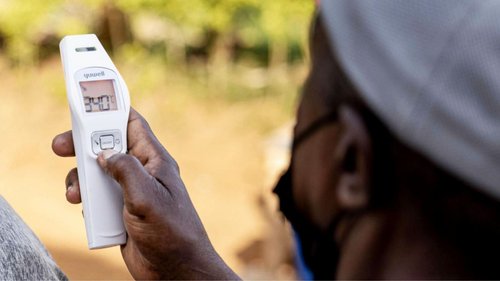
To prevent new cases, Kenya has intensified screening at airports and borders, requiring travellers from ten high‑risk countries – including DR Congo, Uganda, Tanzania and Ethiopia – to fill out a digital health questionnaire and present a QR code on arrival. An isolated treatment unit at Kenyatta National Hospital has a dedicated laboratory for Ebola testing to avoid cross‑infection.
While the U.S. has issued a travel advisory and the UK is warning of enhanced screening, Kenya has ruled out travel bans, lockdowns or restrictions on trade and public gatherings. The country remains open, with no national travel restrictions in place.
Neighbouring states have responded in kind. Somalia is quarantining a contact and sending samples to Kenya; Ethiopia and Tanzania have tightened border surveillance; and Uganda, after briefly experiencing two deaths, has declared itself Ebola‑free and remains on heightened alert.
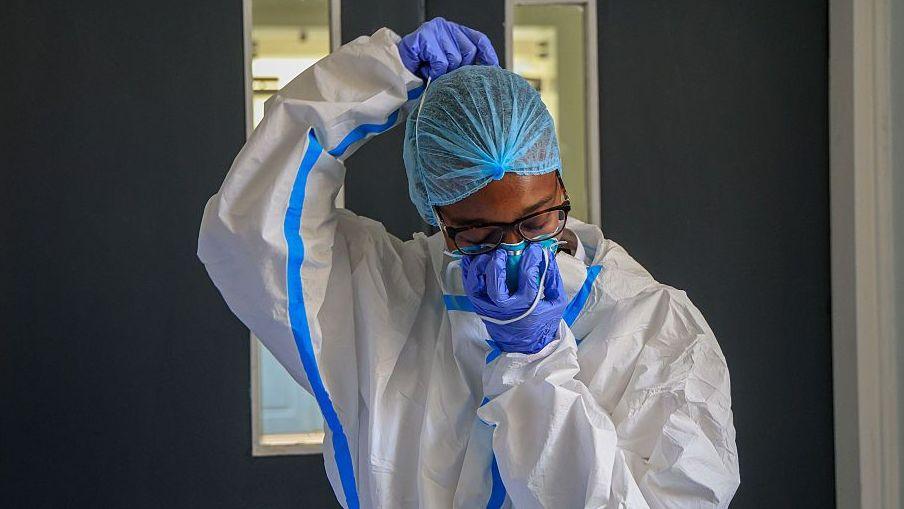
Health workers and cleaners infected in the current outbreak highlight concerns about protective gear. The Kenya Medical Practitioners and Dentists Union urges the government to supply adequate safety equipment and to run public education campaigns to reduce stigma. Over 4,000 healthcare workers nationwide have received Ebola training, and the Ministry has procured additional protective supplies.
Kenya’s response involves collaboration with the World Health Organization, Africa CDC and the International Rescue Committee, who provide surveillance, communication and community engagement support. A toll‑free hotline (719) lets residents report suspect symptoms. Officials continue to urge calm and compliance, emphasising that the virus is mainly spread through contact with bodily fluids and that the incubation period can last up to three weeks.
Economic activity and tourism remain largely unaffected so far, but officials warn that widespread community transmission could change the picture. The international community keeps a close eye on the situation, as the outbreak in DR Congo already killed more than 4,000 people and is the second‑deadliest Ebola outbreak on record.