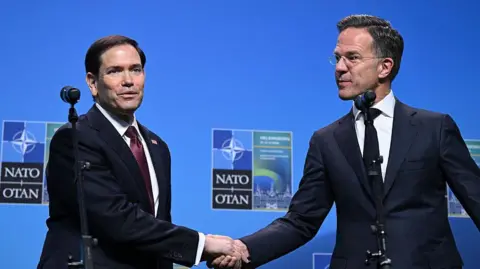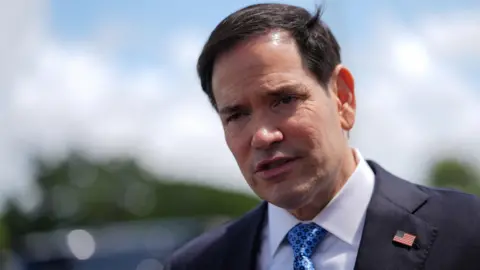
In an announcement that underscores the delicate dynamics between the U.S., Ukraine, and Russia, U.S. Secretary of State Marco Rubio declared this week as "very critical" for peace talks concerning the ongoing Russo-Ukrainian war. Rubio emphasized that this involves determining the extent of U.S. engagement in discussions aimed at resolving the conflict.
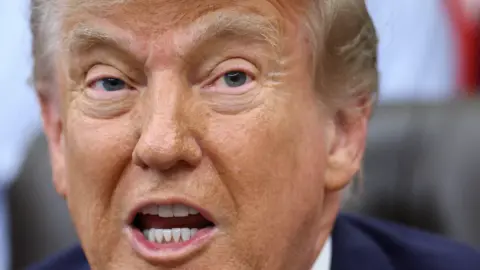
The unfolding discourse comes amidst previous remarks from former President Donald Trump, who has refrained from imposing new sanctions on Russia, hinting at his belief that diplomacy might provide an avenue to end hostilities. Trump's recent engagement with Ukrainian President Volodymyr Zelensky at the Vatican raised eyebrows, especially when Trump suggested that Zelensky might consider conceding Crimea as part of a peace initiative—a position Kyiv has previously denied.
During an interview on NBC's "Meet the Press," Rubio maintained that while there are reasons for optimism, a pragmatic outlook is also essential. "We're close, but we're not close enough," he remarked, indicating the complexities involved after three months of negotiations. His comments reflect the ongoing efforts to assess the motivations and readiness of both Ukraine and Russia for genuine peace.
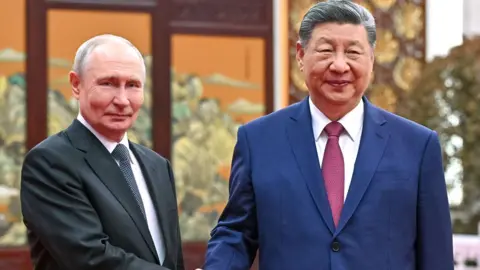
Over the weekend, Trump expressed skepticism about Russian President Vladimir Putin's willingness to cease military actions, indicating that calling for penalties on Russia could jeopardize the diplomatic path. This came just hours after his discussion with Zelensky, which was described by the White House as "productive." Trump's statement that he believes Zelensky is "calmer" contrasts with the previous tension evident during their earlier exchanges.
Further complicating matters, German Defense Minister Boris Pistorius advised Ukraine against making sweeping territorial concessions, labeling the latest proposals from the U.S. as potentially a "capitulation." The need for Ukraine to prioritize its sovereignty during negotiations was a key theme in Pistorius's commentary.
Proposals circulating from the U.S. reportedly include U.S. legal acknowledgment of Russia's annexation of Crimea and a marginalization of Ukraine's NATO aspirations. There is an involved scenario surrounding the Zaporizhzhia nuclear power plant, currently occupied by Russian troops, with plans suggesting it might provide power for both Russia and Ukraine.
Despite these developments, both Zelensky and Putin have yet to comment publicly on Trump's assertions regarding territorial negotiations. As the situation remains fluid, the diplomatic push appears to hinge on balancing Western interests with the realities on the ground in Ukraine, where nearly 20% of its territory remains under Russian control since the invasion that initiated in 2022.
The unfolding discourse comes amidst previous remarks from former President Donald Trump, who has refrained from imposing new sanctions on Russia, hinting at his belief that diplomacy might provide an avenue to end hostilities. Trump's recent engagement with Ukrainian President Volodymyr Zelensky at the Vatican raised eyebrows, especially when Trump suggested that Zelensky might consider conceding Crimea as part of a peace initiative—a position Kyiv has previously denied.
During an interview on NBC's "Meet the Press," Rubio maintained that while there are reasons for optimism, a pragmatic outlook is also essential. "We're close, but we're not close enough," he remarked, indicating the complexities involved after three months of negotiations. His comments reflect the ongoing efforts to assess the motivations and readiness of both Ukraine and Russia for genuine peace.
Over the weekend, Trump expressed skepticism about Russian President Vladimir Putin's willingness to cease military actions, indicating that calling for penalties on Russia could jeopardize the diplomatic path. This came just hours after his discussion with Zelensky, which was described by the White House as "productive." Trump's statement that he believes Zelensky is "calmer" contrasts with the previous tension evident during their earlier exchanges.
Further complicating matters, German Defense Minister Boris Pistorius advised Ukraine against making sweeping territorial concessions, labeling the latest proposals from the U.S. as potentially a "capitulation." The need for Ukraine to prioritize its sovereignty during negotiations was a key theme in Pistorius's commentary.
Proposals circulating from the U.S. reportedly include U.S. legal acknowledgment of Russia's annexation of Crimea and a marginalization of Ukraine's NATO aspirations. There is an involved scenario surrounding the Zaporizhzhia nuclear power plant, currently occupied by Russian troops, with plans suggesting it might provide power for both Russia and Ukraine.
Despite these developments, both Zelensky and Putin have yet to comment publicly on Trump's assertions regarding territorial negotiations. As the situation remains fluid, the diplomatic push appears to hinge on balancing Western interests with the realities on the ground in Ukraine, where nearly 20% of its territory remains under Russian control since the invasion that initiated in 2022.