In brief
Kashmir, long viewed through the lens of conflict and contested claims, faces an ongoing humanitarian crisis intensified by violence.
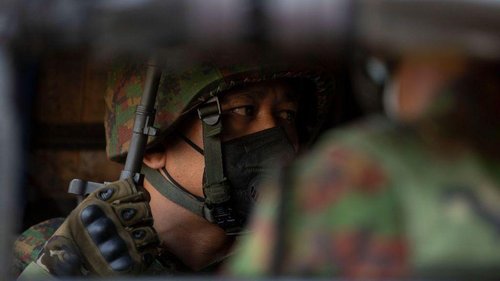
Kashmir, renowned for its breathtaking landscapes and a focal point of Indo-Pak tensions for over 75 years, stands at a crossroads. Last week, the region was rocked by a terrorist attack that claimed 26 lives, shedding light on the deep-seated alienation felt by its residents. Since the Indian government, under Prime Minister Narendra Modi, tightened its control over the territory in 2019, it has been marketed as a model of development and security, drawing millions of tourists annually.However, the local populace speaks of oppression and a lack of democratic freedoms amidst a pervasive military presence. The aftermath of the recent attack has led to a heavy-handed response from the authorities, including mass detentions and home demolitions of those linked to the assault.Despite the allure that attracts visitors from all over the globe, many locals are grappling with feelings of resentment and despair. The relentless military action is perceived as collective punishment in a region where a majority identify as Muslim. This tragic incident marks yet another turn in the ongoing saga of Kashmir, a place of both enchanting beauty and immense suffering.