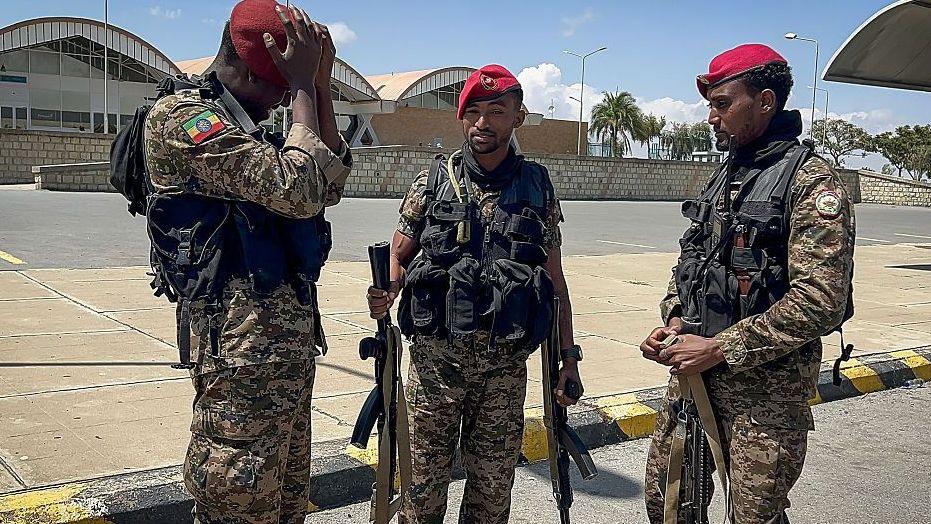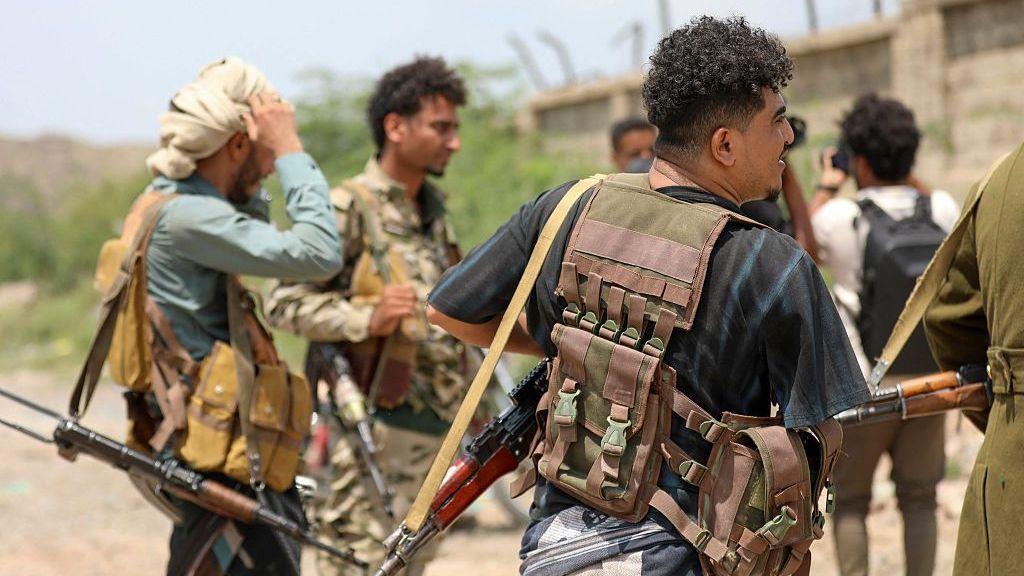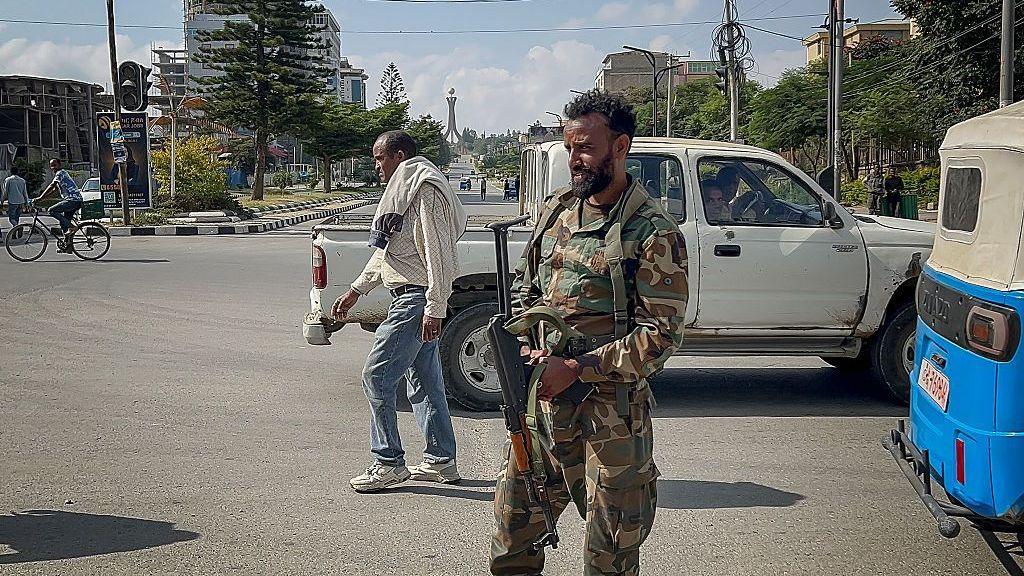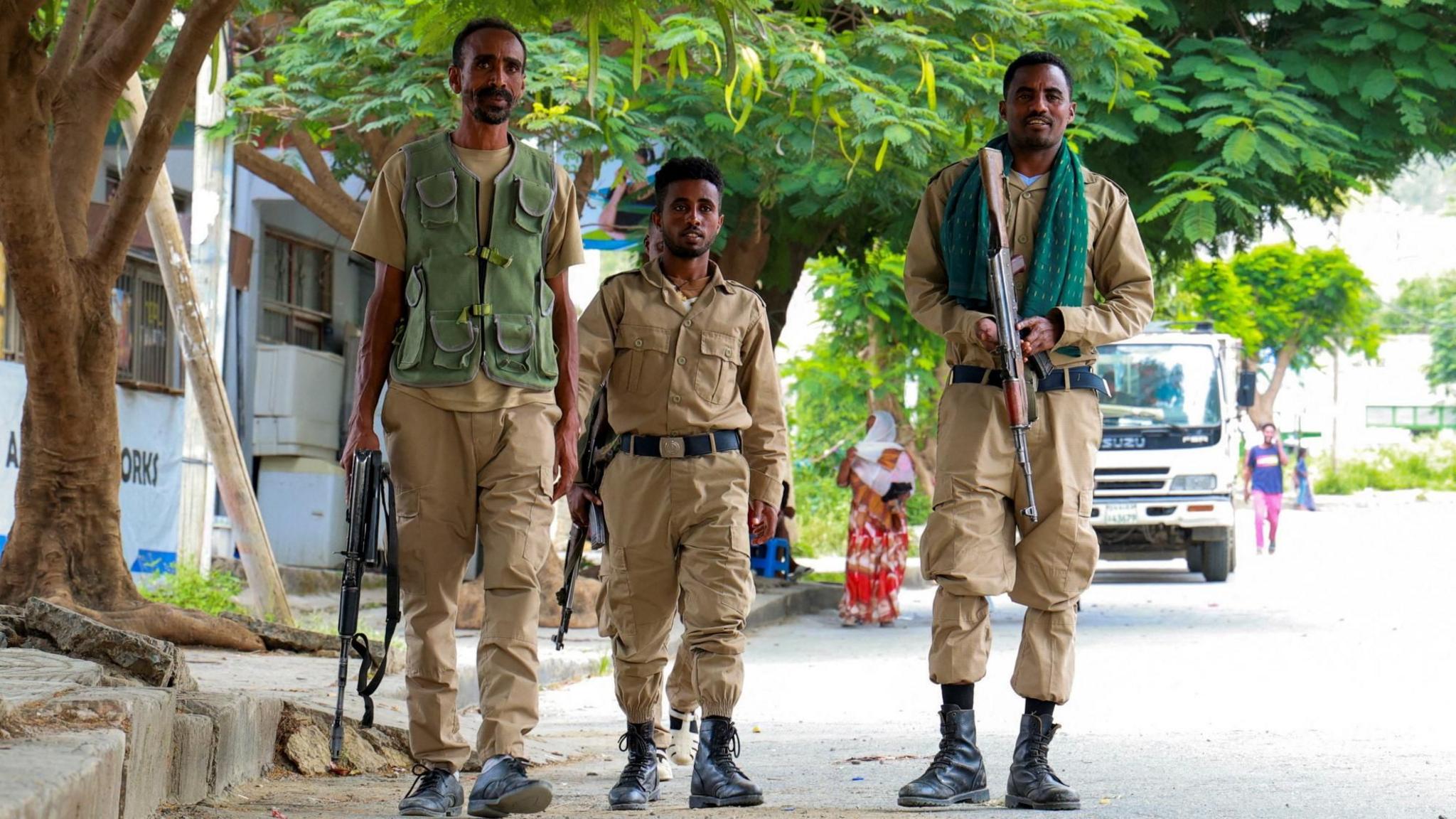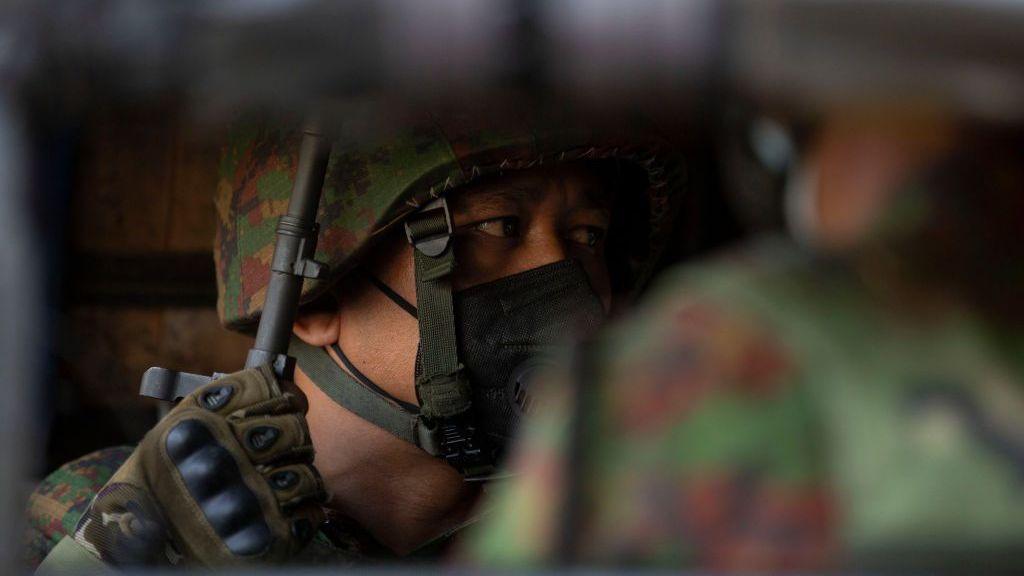
The streets of Hpa‑An, the capital of Myanmar’s Karen state, have turned into a minefield for young men. The jungle of black‑clothed soldiers now patrols the city, arresting teenagers, twenty‑somethings and men in their thirties and force‑dragging them into the army. It is a brutal enforcement of the 2021 draft law that obliges all men aged 18‑35 and women 18‑27 to serve at least two years under military command, with up to five years in prison for refusal.
The story of 26‑year‑old Zaw Min, a tuk‑tuk driver, illustrates the daily terror. “I worry but I have to go out to work,” he confides, citing orders from authorities to aggressively fulfil recruitment quotas. Family members repeatedly warn him to keep his distance from the streets, only to see him disappear or be taken overnight. Zaw Min is the sole recruit‑eligible sibling; his brothers and cousins have fled to Thailand or the rural hinterlands, seeking safety far from the conscription net.
Leaked documents reveal a systematic, quasi‑lawful machinery that drives this devastation. The Central Body for Summoning People’s Military Servants alleges that local officers, empowered to meet monthly quotas, have turned to illegal detention, fake job ads, and road‑checkpoint raids. The practice, now described by researchers as a modern supply chain of unlawful conscription, has allegedly forced an estimated 100,000 young recruits into the army since early 2024.
The illegal network has a profit motive, with wealthier citizens able to pay to avoid the draft while those less able to meet bribes become expendable. Human‑rights organisations such as Amnesty International and Human Rights Watch have documented mass disappearances and forced service, framing the junta’s strategy as a form of human trafficking. “Under the guise of the conscription law, these coercive arrests and recruitment drives have effectively transformed into a modern‑day slavery enterprise,” notes Maj Naung Yoe, a former officer turned civil‑disobedience movement activist and military affairs expert at the Myanmar Defence and Security Institute.
Not all victims disappear quietly. Ma Moe San Pan, a mother in Yangon, reports that her husband, 33‑year‑old Phyo Wai, was sold by her own family’s local ward office to a different ward to meet a recruitment quota. She lost 4.5 million kyats to scammers who promised to pull him free. Police accepted her complaints but deny a human‑trafficking charge, citing jurisdictional limits.
Small‑scale traffickers are not exempt from repercussions. In August, police raided the home of a Fire Services Department officer and his son‑in‑law, accused of abducting four young men for sale into the army. The officer faces up to seven years in prison.
The relentless push to field fresh troops reflects the junta’s desperation. Aerial images of uncontrolled recruitment lines, second‑hand accounts of abductions, and a surge of desertion foster a climate of fear that drags Myanmar’s youth into the crossfire of an ongoing civil war that masks itself as a fight for national unity.