In brief
With temperatures nearing 50 degrees Celsius, India faces severe heat challenges, particularly in regions like Sri Ganganagar. Residents adapt their daily lives to cope with this worsening climate reality.
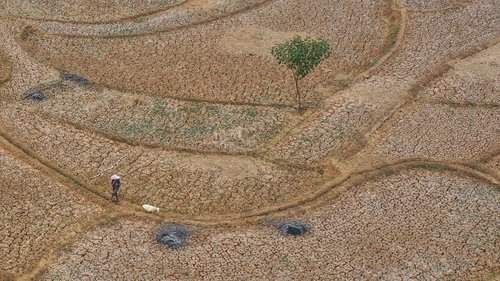
India is currently facing a relentless battle against extreme heat, with daytime temperatures soaring to nearly 50 degrees Celsius (122 degrees Fahrenheit) in various locations. This unbearable climate is putting about three-quarters of the country's 1.4 billion population at risk. In our exploration of daily life in the hottest part of India, we visited Sri Ganganagar, a city in Rajasthan where temperatures routinely reach staggering heights. Here, heat waves threaten not only lives but also livelihoods, straining medical services and disrupting economic productivity. Many residents have no access to air conditioning, compelling them to work outdoors under the relentless sun. Their reality is harsh: not working means not earning, and this truth forces them to develop new rhythms of daily life centered around survival in extreme conditions. The landscape of life is surely shifting in this region as adaptation becomes a necessity amid a changing climate. Our visit to Sri Ganganagar provided a firsthand account of how people reconcile their routine with the daunting heat dangers, encapsulating the myriad challenges they face. With families and workers alike having to withstand such an intense environment, stories of resilience emerge. As life continues to adapt to the mounting pressures of climate change, Sri Ganganagar stands as a poignant example of resilience amid rising temperatures.