In brief
A comprehensive study shows that glaciers are losing ice faster than ever, with significant consequences for freshwater supplies and rising sea levels, urging immediate climate action.
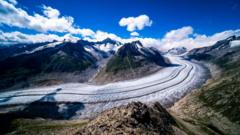
The world's glaciers are experiencing the most rapid melting rates ever recorded, primarily driven by climate change, according to a groundbreaking study that combines data from over 230 regional analyses conducted by 35 research teams globally. The Aletsch Glacier, the largest in the European Alps, exemplifies this alarming trend, having retreated almost 3.2 kilometers since 1900, with over a kilometer lost since 2000.Glaciers are critical freshwater resources for millions of people and hold enough ice to potentially raise sea levels by 32cm (13 in) if they were to completely melt. However, since 2000, global glaciers have lost more than 6,500 billion tonnes, or about 5% of their ice, with the annual loss averaging 270 billion tonnes. This loss corresponds to the water consumption of the global population over 30 years, highlighting the enormity of the crisis.The research reveals that the rate of ice loss has increased by more than a third compared to the early 2000s. Regions like Central Europe have seen losses of approximately 39% in glacier ice within the past two decades. The newest findings are significant not just because they confirm rapid melting, but also due to their robust aggregation of data, increasing confidence among scientists and policymakers about the severity of the situation.Unlike stable climates where glaciers maintain their size through a balance of snowfall and melting, rising global temperatures—primarily due to human activities such as fossil fuel burning—have disrupted this equilibrium, causing glaciers to shrink globally. The study emphasizes that while glaciers will continue to retreat in the future, the extent of this loss will greatly depend on humanity's efforts to mitigate further warming by reducing greenhouse gas emissions.The consequences of melting glaciers extend far beyond visible landscape changes. Hundreds of millions of people rely on glacial meltwater for their freshwater supply, with depletion of these resources leading to drought vulnerabilities. Globally, even slight increases in sea levels from melting glaciers can lead to substantial increases in coastal flooding risks.With global sea levels already having risen by more than 20cm since 1900, this study serves as a clarion call for decisive action to curb climate change to protect both glaciers and the communities that depend on them. Ensuring every fraction of a degree of warming is avoided could be vital in preserving these icy reserves and mitigating the potential damage to the environment and human livelihoods.