In brief
The French National Assembly has voted to eliminate low-emission zones (ZFEs), a significant initiative launched during Emmanuel Macron's presidency to combat air pollution in major cities. The vote, which resulted in a 98-51 decision, featured support from both Macron’s party and opposition factions, spotlighting a contentious debate over environmental policies and social equity. Critics have long argued that these zones disproportionately affect lower-income individuals who cannot afford newer, less polluting vehicles. The motion to abolish the ZFEs was spearheaded by far-right MP Pierre Meurin, advocating for the working class while gaining traction from groups like Les #Gueux, founded by writer Alexandre Jardin.
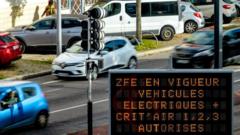
Initially implemented in 2019 and expanded to numerous urban areas, the low-emission zones restricted older vehicles, requiring special stickers for those built after 1997 to operate in designated areas. Major cities like Paris, Lyon, Montpellier, and Grenoble faced the most stringent limitations. The proposal to rescind the regulations comes amid vocal criticism from various political leaders. Marine Le Pen labeled the ZFEs “no-rights zones” and described the ecological initiative as an "assault" on working-class citizens. The government attempted to alleviate concerns by amending the restrictions but ultimately faced a substantial defeat, as their efforts to retain some regulations in Paris and Lyon were voted down decisively.Agnès Pannier-Runacher, the Minister for Green Transition, emphasized the health risks associated with air pollution, linking it to approximately 40,000 premature deaths annually, and argued that ZFEs played a role in mitigating this crisis. Supporters of the zones, including members of the Greens and Socialists, condemned the decision to abolish them, asserting it neglects the urgent need for improved air quality. Despite the assembly's decision, the proposed abolition still requires further approval from the Senate and potentially faces review by France's Constitutional Council, leaving its fate uncertain. With this legislative move, France's approach to managing urban air quality and environmental responsibility remains a hotbed of national debate, challenging the balance between ecological progress and societal equity.