In brief
The Grand Inga Dam, intended to harness the Congo River's potential for renewable energy, faces significant hurdles as construction remains uninitiated since its concept decades ago. Critics cite poor governance, withdrawal of key investors like the Three Gorges Corporation, and environmental implications which cast doubt on the project's viability. Despite a glimmer of hope from the World Bank's renewed interest, serious funding challenges persist, leaving millions in Africa without electricity.
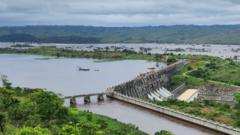
The Grand Inga Dam, envisioned to be the largest hydropower project in the world, remains shrouded in doubt as years pass without significant progress on its construction. The ambitious initiative aims to harness the Congo River's immense potential to generate electricity, promising to be a game-changer for Africa, where approximately 600 million people lack access to power. However, serious concerns about governance, funding, and environmental impact have hindered development.The Democratic Republic of Congo's (DRC) government maintains that plans for the Grand Inga Dam are still alive. Yet, the site, which has long been earmarked for this multi-billion dollar infrastructure, is still untouched. Critics express skepticism regarding the feasibility of the project, pointing to delays and the DRC's historical record of mismanagement, as well as a recent withdrawal from the project by China's Three Gorges Corporation.The estimated cost of the dam is around $80 billion, a staggering figure for a nation grappling with poverty. Discussions among stakeholders have surfaced over the past year, indicating a lingering interest among partners. Proponents argue that the scrutiny facing the Grand Inga may be unfair when compared to other large-scale infrastructure projects globally.Plans for interconnected electricity grids among DRC's neighbors, including South Africa and Angola, had surfaced in the early 2000s, but progress has been stagnant. The existing Inga 1 and 2 dams, which were constructed in the 1970s and 80s, are currently underutilized, operating at about 80% capacity due to inadequate maintenance.Despite the challenges, recent dialogues between the World Bank and the DRC government offer a flicker of hope. Following a withdrawal of support in 2016 over "strategic differences," the World Bank is reportedly back in discussions, igniting optimism for the future of this massive initiative.However, investors remain wary. The early 2023 exit of Three Gorges Corporation reflects broader concerns about the reliability of investments in the region, exacerbated by historical and ongoing issues like corruption and delayed returns on investment. The Grand Inga Dam's projected output of 40,000 MW upon completion still velividly outlines its potential; enough to supply electricity to regions like New York City for extended periods.Environmental implications loom large over the project, raising alarms about displacement for thousands of residents, ongoing biodiversity threats, and commitments to local energy access. The DR Congo government has acknowledged the potential negative effects of the dam but promises to provide fair compensation and support for displaced individuals.Local advocates argue, however, that the primary beneficiaries of the Grand Inga project will likely be foreign consumers and mining companies, rather than the Congolese populace, which widely lacks reliable electricity. In a global landscape where large infrastructure projects typically face lengthy delays and partner shifts, the fate of the Grand Inga remains uncertain. The interplay between financial backing, governance, and local effects will ultimately determine whether this monumental vision can transform into reality or remain just that—a grand aspiration for one of the poorest countries on the continent.