In brief
A crude‑oil tanker named Gem No.2, damaged on 9 October in the Strait of Hormuz, has released a spill that has reached the shores of the UAE, covering more than 35 km of coastline. Satellite imagery shows a rapidly expanding slick, leading authorities to close several beaches and launch containment efforts. Scientists warn of serious ecological damage, especially to the Khor Al Beidah islands, a key biodiversity area that hosts coral reefs and endangered species. The incident is part of a surge of attacks on shipping in the region amid heightened tensions between Iran and the United States.
Oil from a tanker that was struck in the Strait of Hormuz has washed up along the United Arab Emirates coastline, prompting beach closures and a race to contain the spill.
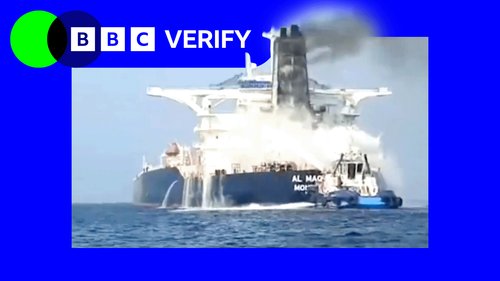
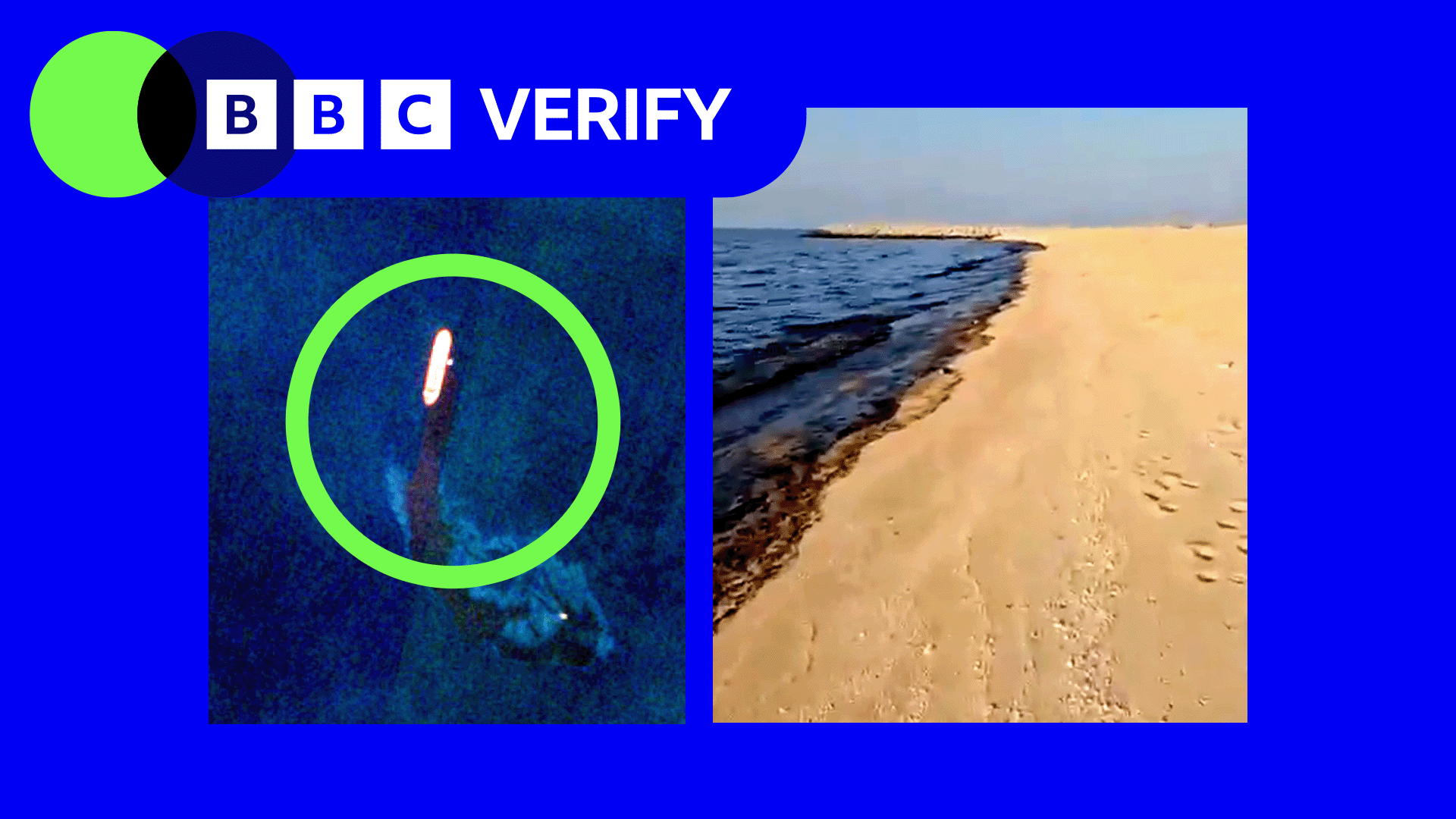
Satellite images released on Monday show the onset of a slick that has already stretched more than 35 km (22 mi) from the wreck of the Panama‑flagged tanker Gem No.2, damaged between 9 and 10 October by an unknown projectile during a wave of Iranian attacks on shipping.
UAE authorities announced on Thursday that the spill is affecting beaches near the northern emirate of Umm Al Quwain. A video posted by residents shows black‑laced water washing onto shore, turning the sand and foam a deep, viscous brown.
The Ministry of Climate Change and Environment immediately began containment operations to "limit environmental impacts," officials said. Meanwhile, scientists fear short‑term deaths of marine life and long‑term reproductive harm, citing the slow evaporation of heavy oil components.
The slick threatens the Khor Al Beidah and Siniyah islands—a globally recognised Key Biodiversity Area that hosts coral reefs, seagrass beds and critically endangered species such as the Halavi guitarfish. Conservation experts consider this proximity the most concerning aspect of the spill.
Gem No.2 was reported to have been traveling along an unauthorized route out of the Strait of Hormuz, a move the Iranian state media claimed was a push to assert greater control over the strait after the US Navy escorted more vessels through the waterway. All 22 Indian crew members were rescued, and the vessel suffered a fire that was extinguished after the attack.
The incident follows another major oil slick that washed up on Iran’s Qeshm Island in August after a tanker was struck, illustrating the mounting risk to marine ecosystems in the region amid ongoing geopolitical tensions.
Scientists and environmental groups urge swift, thorough cleanup and transparent reporting, noting that the exact volume of oil and its composition will determine the eventual impact on local wildlife and livelihoods. The situation remains fluid, with authorities continuing to monitor satellite data and shoreline conditions.