In brief
In the aftermath of a weekend of nationwide demonstrations that erupted into widespread looting and assault on public service infrastructure, France’s government convenes a crisis cabinet to assess damage and formulate a response. President Macron delivers a televised appeal for calm, yet is criticised for the lack of concrete measures. The incident has exposed deep social discontent over rising costs and eroding state support, while political rivals scramble to capitalize on the turmoil amid a looming election.
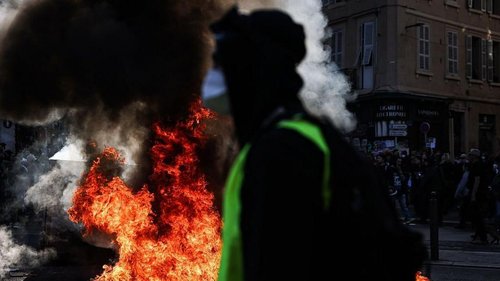
On Saturday, more than half a million protestors flooded streets across France, initially rallying against rising living costs and the erosion of public services. What began as orderly demonstrations quickly devolved into chaos as masked white‑clad groups tore windows and looted around 1,500 shops, triggering a riot response that included tear gas, water cannons and batons.
Police personnel were not spared, with roughly 1,000 officials reported injured, seven suffering serious wounds. The damage to private property and the sight of shattered storefronts left the nation’s capital dark and alarmed its residents.
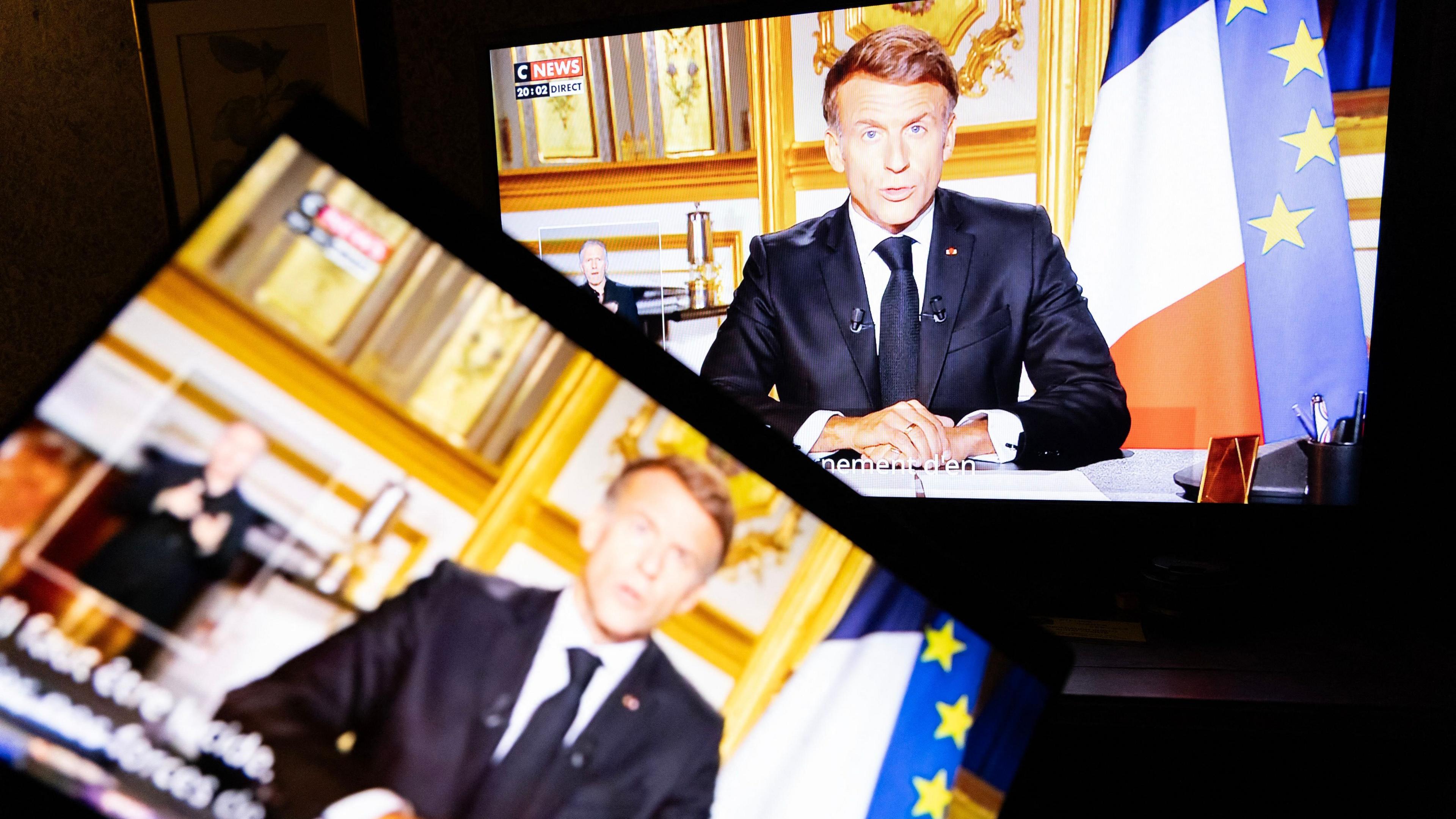
Prime Minister Lecornu convened an emergency cabinet meeting to chart immediate action and to decide on additional security measures. Meanwhile, President Macron addressed the nation in a televised speech, urging calm and promising that perpetrators would be held accountable, but offering little detail on enforcement or compensation plans.
Macron’s address was met with sharp criticism from social media and political opponents who saw the message as insufficient, lacking concrete plans for restoring order or addressing the root causes of the unrest.
Union leaders, including Sophie Binet of the CGT, blamed the government for failing to tackle the cost‑of‑living crisis and for under‑policing anticipated protests. They accused the administration of neglecting students’ concerns and overall public welfare.
The political landscape is already unstable, with a presidential election scheduled for late next year and rival candidates from the far right and far left vying for victory. The turmoil has intensified divisions within parliament and added pressure on the government to implement reforms.
Beyond the immediate security crisis, France faces financial challenges: investors stack on to demand debt‑control measures while lawmakers hesitate to cut essential services for fear of sparking further unrest.
Across the country, citizens express frustration that political leaders appear to use the crisis as a campaign tool, chasing blame rather than solutions. Calls for an inquiry into the events and concrete plans for rebuilding damaged businesses have grown louder.
With the next wave of protests slated for early November, the French government is under constant scrutiny to prevent a repeat of the violence and to restore both public trust and national stability.