In brief
The Cockroach Janta Party sparked massive anti-government protests in Delhi, using memes and short videos to amplify their message. While the movement captured national attention, women activists behind the footage endured severe online harassment, threats, and doxxing. Several young women described being subjected to rape threats, slurs, and targeted stalking after the demonstrations. These experiences highlight a broader trend of gendered online abuse against Indian female voices.
Context
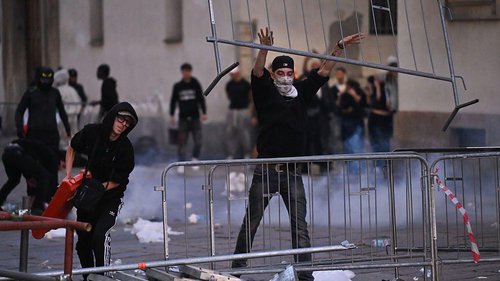
The Cockroach Janta Party (CJP) was a youth‑led movement that used Instagram, memes and short‑form art to rally support against Prime Minister Narendra Modi’s government. During a protest on 20 July, police used tear gas and baton charges to disperse demonstrators, leading to dozens of injuries and a national debate about police conduct. While the CJP’s online content spread widely, many women who produced and shared the material faced targeted abuse.
Content creator
One young woman, mid‑20s, who had started posting about protests early that year found her account swiftly attacked. She said: "I was slut‑shamed and I was attacked for questioning the prime minister’s comments after the protest ended." Her mother stopped reading comments because of the men‑generated hate. The woman mentions feeling constantly watched; threats on her phone turned into fears for her safety and that of her family.
College student
A 20‑year‑old student who filmed a “fit‑check” before the march was later featured on national TV. She received anonymous messages warning her of police retaliation, with men calling her degrading names linked to prostitution and threatening violence. The student removed most protest footage from her profile and feared for her parents’ safety as she pursued social media silence.
Student activist
Another Muslim activist found her private Instagram account targeted after posting satirical videos. She faced edits that tried to cast her as a terrorist, were labelled a hijra, and were accused of being a paid protester. Her father, a journalist, worried that her name would make her vulnerable; the activist continued to speak out, recognizing the high personal cost.
Student from West Bengal
A West Bengal student, who had long engaged in campus politics, joined the Kolkata protest on 20 July and organized supplies online. In July, police detained protestors in the state and hateful comments began to appear under her fundraiser posts. She faced accusations of being a prostitute in private messages, making her change her name and block unknown contacts; her male friends were not targeted, pointing to a gender bias in online abuse.
Key takeaway
While political dissent can spread signs of hope, it also opens women to gender‑based online hate. The CJP protests illustrate a growing pattern of digital hostility where female voices suffer doxxing, threats and misogynistic attacks long after the event ends.