In brief
For the seventh consecutive day, Albanian students and university staff have faced riot police in Tirana, driving a violent confrontation that has left nearly 300 people injured, including 186 officers. The demonstrators, citing poor university conditions, corruption and demands for Prime Minister Edi Rama’s resignation, have targeted government buildings and police stations. President Rama declared the protests a threat to the state, accusing foreign interference and vowed that a technocratic government would follow if he stepped down. Human rights lawyers report chaotic police tactics and insufficient evidence at trials, while activists argue their anger is justified by years of systemic inequality. The unrest continues, highlighting deep divisions over Albania’s political direction and its European aspirations.
Violent clashes reach seventh day in Tirana
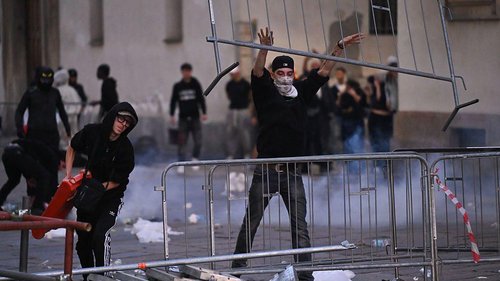
Albanian protesters have fought riot police for a seventh consecutive day. The demonstrators, largely high‑school and university students, oppose Prime Minister Edi Rama’s government and demand his resignation.
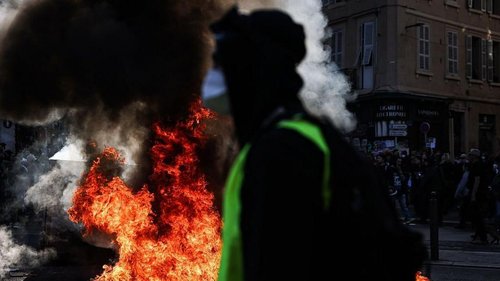
Official figures report 295 injuries, 186 of which are police officers. The unrest began when Rama warned police that “the state has fallen” if negotiations followed the recent throw of a rock at officers. Police have used water cannons, tear gas and pepper spray, while protesters employed cobblestones and homemade saline spray to counter the chemicals.
Government buildings and a police station were attacked, and a café in Rinia Park became a shelter for fleeing demonstrators—courtesy of volunteers wearing yellow jackets. Human rights lawyer Gentian Sejrani criticised police for chaotic tactics and insufficient evidence, noting that many arrested individuals were unrelated to the protests.
Activist Sidorela Vatnikaj, 27, a master’s student with eight years of protest experience, described coordinating groups, securing first‑aid and legal support. She stresses that while she disapproves of violent actions, she blames police for provoking the unrest and believes her peers are driven by long‑standing grievances over corruption and missed democratic opportunities.
Rama, who has ruled Albania for 13 years, maintains that only he can secure EU membership by 2030. The protests, therefore, clash with his vision of a technocratic government rather than new democratic elections.