In brief
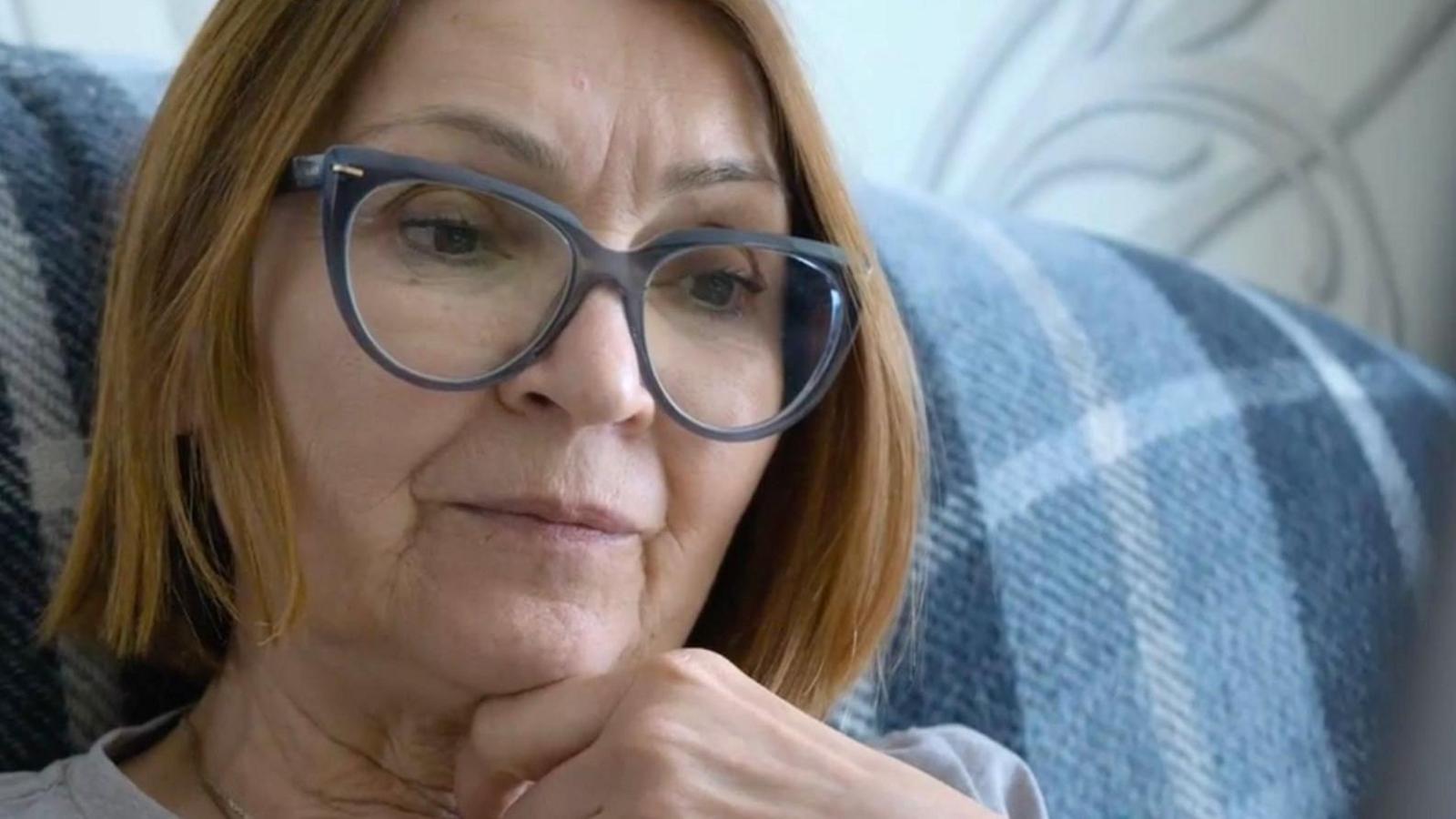
A BBC team, with local Ukrainian investigators, chronicles the harrowing experiences of Liudmyla Huseinova, a 64‑year‑old who spent 103 days in the notorious Izolyatsia detention centre. The report identifies key perpetrators, including former Ukrainian traffic policeman Yurii Temerbek and guard Ruslan Yeriomichev, now living as free citizens. It traces the network of 195 secret sites across occupied Ukraine and Russia, exposing systemic abuse and the limited access of international bodies. Survivors like Liudmyla and sailor Oleksii Sivak are demanding accountability, while only one former head of Izolyatsia has been imprisoned. The investigation calls for transparent trials and a global response to curb state‑sanctioned cruelty.
By Tania Kharchenko & Samuel Horti – BBC Eye Investigations
From a routine drive to a nightmare – early October 2019, Liudmyla was abducted by men, including former Ukrainian traffic policeman Yurii Temerbek, and shoved into a back seat. She was taken to the underground Izolyatsia facility, a factory‑turned‑prison in occupied Donetsk, and endured three years and thirteen days of brutal physical and psychological torment.
The camp was notorious: detainees were forced to stand from 6 a.m. to 10 p.m., lights blazed through the night, and the air crackled with screams. Liudmyla heard “terrible screams” for the first time – an echo of unspeakable abuse that included beatings, electric shocks, mock executions and systematic sexual violence.
The BBC’s investigation, aided by Ukrainian open‑source journalists Bohdan Kosokhatko and Vladyslav Chyryk, traced key figures: Yurii Temerbek (now 56, living in Rostov‑on‑Don) and guard Ruslan Yeriomichev, often called "Yermak" in the camp. Both men were former Ukrainian nationals who acquired Russian passports and continue to live freely in Russia and occupied Ukraine.

Temerbek’s involvement was confirmed by an eyewitness who identified him from a 2014 social‑media photo showing him as a traffic policeman. In 2021, he was last heard threatening Liudmyla, telling her she would be sent to Siberia.
Yeriomichev’s public life is a façade of happiness: family photos, holiday trips and hobby images on social media mask a persona involved in cruel treatment of civilians. Ukrainian prosecutors have charged him with multiple war crimes, yet he remains unaffiliated with any prison staff today.
In 2022, Liudmyla was released in a prisoner exchange and reunited with her husband in Kyiv’s central streets. Despite the relief, she says the emotional scars linger: “I can’t cry, I had no tears,” she tells the BBC. Liudmyla now leads a network that supplies parcels to ongoing detainees and fights for accountability.
Across the conflict: a sprawling network of hidden sites – BBC researchers identified 195 clandestine detention centres in occupied Ukraine and Russia between 2023 and 2025. Most were off‑the‑maps, housed in tax offices, hotels or garages, none open to outside observers. Ukrainian prosecutors allege that 2,000 civilians have passed through these facilities since the 2022 full‑scale invasion.
One such site in Kherson was run by former Omsk policeman Andrey Spivak, who was charged with “cruel treatment of civilians” and “violations of the laws of war.” 2024 photos show Spivak enjoying outdoor activities, underscoring how normal life continues amid ongoing abuse.
The BBC attempted to contact Temerbek, Yeriomichev and Spivak; none responded. The Russian embassy in the UK defends Russia’s legal stance, calling the allegations “documented and investigated.” Meanwhile, Ukrainian prosecutors have opened cases against dozens of alleged abusers, though only one former Izolyatsia head has been imprisoned – a 15‑year sentence in Kyiv in 2021.
The report calls for transparent legal processes, with Liudmyla’s final words underscoring the need for genuine justice: “For me, justice is the decree that these people intentionally did what they did. I want them to be punished by law.”