In brief
Nebraska’s cattle farms have endured a backlog of costs – from a wildfire‑devastated land and record‑low steel to a 40% jump in diesel – and a government decision to import 300,000 metric tons of foreign beef. Despite these pressures, a majority of farmers still back President Trump, citing his “Buy American” stance and anti‑waste promises. Yet figures like Yvette Mannon, Jake Wolfinger and Jim Jenkins say the administration’s measures feel like a betrayal, with questioning whether their politics will shape mid‑term outcomes.
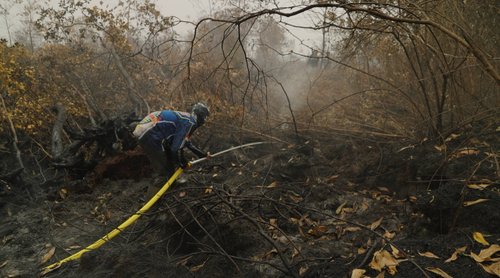
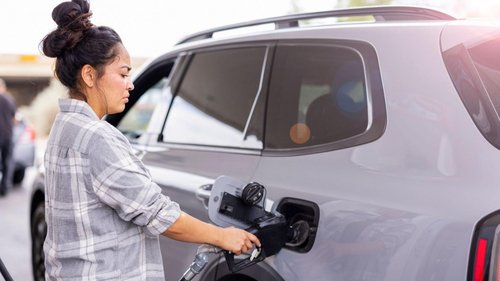
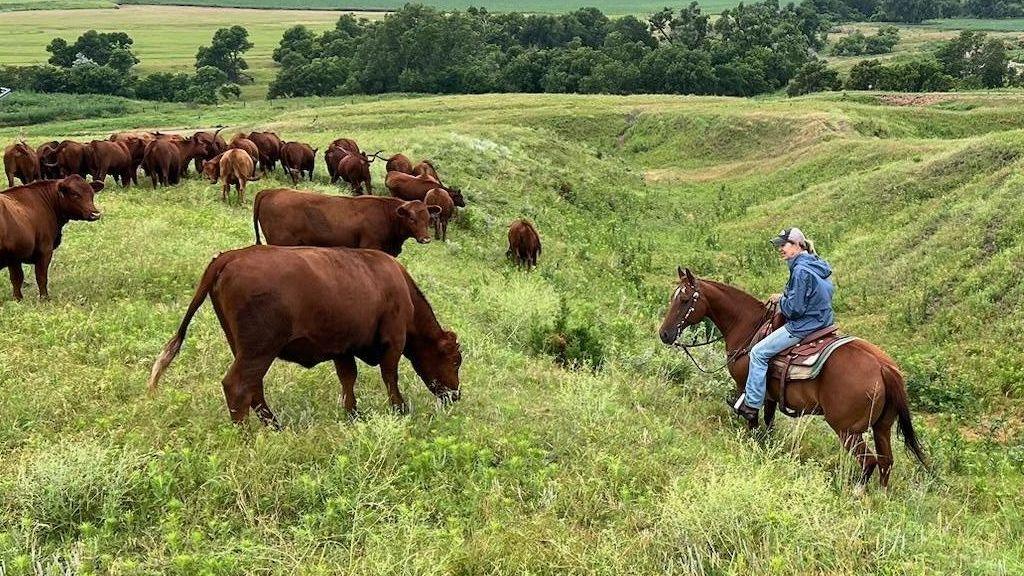
The summer of 2026 saw a chain of upheavals hit Nebraska’s cattle industry. In April a wildfire shredded 1,600 acres of grazing land, destroying fences and forcing Mannon to spend $4.89 a foot on new steel – over $300,000 in total – while also hauling hay into the burn‑scarred pasture with diesel now 40% pricier from last year’s Iran War.
At the same time, the Trump administration announced a plan to import 300,000 metric tons of duty‑free foreign beef for the September‑November calf‑weaning window. Prices fell almost instantly, straining ranchers who had already borne high steel and lumber costs from tariffs.
Yet the majority of rural voters in Nebraska still stand with Trump. Mannon, a longtime Trump voter, said, It just felt like a betrayal. She argues that “Buy American” and “Make America Great” promises keep her hopeful, even while federal policy seems to backfire.

Other voices echo Mannon’s frustration. Jake Wolfinger, who runs a 5,500‑head feedlot in Lexington, complains that a $15 jump in livestock prices cuts his margin by hundreds of dollars per head. He views Trump’s intervention in the beef market as “shoot, fire, aim” and calls for clearer governmental boundaries: People need to stay the hell out of farmers' business.
In the political arena, the backlash is already forming. Democrat opposition has carved out a niche among farmers who feel neglected, while independent candidate Dan Osborn races to capture disillusioned Republican voters in Nebraska's upcoming Senate race.
Despite the turbulence, the state’s ranchers remain resilient. In a rainy Thursday auction in Broken Bow, farmers and buyers met as usual, while Mannon summed up local sentiment: People in agriculture are eternal optimists; otherwise, we wouldn’t get in it.
As the mid‑term elections approach, the pragmatic question persists: will federal policies continue to hurt or help Nebraska’s heartland? For now, ranchers balance the ledger of costs with unwavering support for Trump’s promise to keep the American economy thriving.