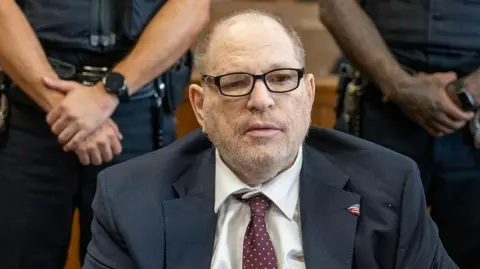
In a significant legal outcome, Sean Combs, the renowned music mogul, was acquitted of serious charges related to sex trafficking and racketeering. The verdict came after an intense eight-week trial in Manhattan, where jurors ultimately found him guilty of two counts of transportation to engage in prostitution, a verdict that carries a maximum of 10 years each in prison.
Despite the acquittal on the most severe accusations, Combs faced considerable legal jeopardy, potentially staring down a life sentence. The trial showcased explosive testimonies regarding Combs's extraneous lifestyle, including allegations of drug use and violence toward former relationships, particularly with women known as Casandra Ventura and a witness referred to as “Jane.” Prosecutors painted a troubling picture of coercion, alleging that Combs compelled the women into participating in extended sexual encounters with male prostitutes, termed as “freak-offs.”
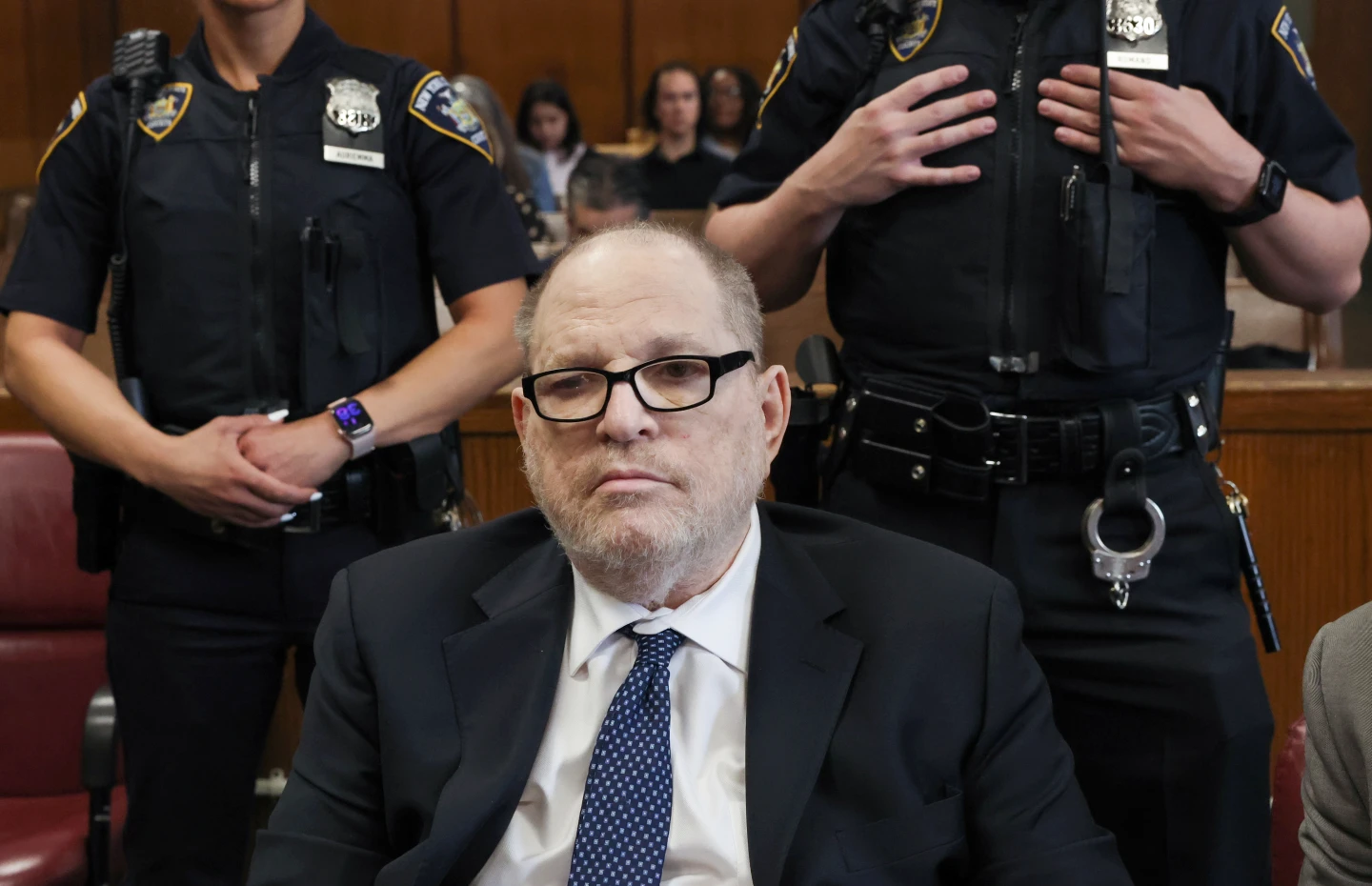
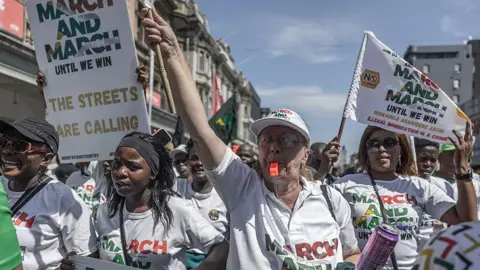
Following the reading of the verdict, Combs appeared visibly relieved, expressing gratitude towards the jurors while engaging in a moment that resembled prayer on the courtroom floor. Conversely, the outcome sparked disappointment among women’s advocacy groups, highlighting the complex societal elements that frame perceptions of power and consent.
The jury's deliberations took a pivotal turn when they deadlocked on the racketeering charges, compelling the judge to encourage further discussions. Eventually, they unanimously decided on the acquittal of those charges, signaling hesitance on whether coercion was adequately proven in the case.
As reactions continue to pour in, analysts are examining the implications of the trial on Combs's legacy in the hip-hop industry. The mixed verdict has been described as a reflection of the challenges that persist in dislodging the influential figures from their positions, even when faced with serious accusations. The case remains emblematic of broader conversations about abuse and accountability in entertainment fields.
Despite the acquittal on the most severe accusations, Combs faced considerable legal jeopardy, potentially staring down a life sentence. The trial showcased explosive testimonies regarding Combs's extraneous lifestyle, including allegations of drug use and violence toward former relationships, particularly with women known as Casandra Ventura and a witness referred to as “Jane.” Prosecutors painted a troubling picture of coercion, alleging that Combs compelled the women into participating in extended sexual encounters with male prostitutes, termed as “freak-offs.”
Following the reading of the verdict, Combs appeared visibly relieved, expressing gratitude towards the jurors while engaging in a moment that resembled prayer on the courtroom floor. Conversely, the outcome sparked disappointment among women’s advocacy groups, highlighting the complex societal elements that frame perceptions of power and consent.
The jury's deliberations took a pivotal turn when they deadlocked on the racketeering charges, compelling the judge to encourage further discussions. Eventually, they unanimously decided on the acquittal of those charges, signaling hesitance on whether coercion was adequately proven in the case.
As reactions continue to pour in, analysts are examining the implications of the trial on Combs's legacy in the hip-hop industry. The mixed verdict has been described as a reflection of the challenges that persist in dislodging the influential figures from their positions, even when faced with serious accusations. The case remains emblematic of broader conversations about abuse and accountability in entertainment fields.