In brief
The US Chevron refinery in Pascagoula, Mississippi, is now processing Venezuelan crude oil for the first time in several months as the Caribbean nation boosts its exports following a lifting of sanctions. Despite the renewed access to Venezuelan oil, US consumers are still feeling the pinch at the pumps due to broader market fluctuations caused by the Iran war. Experts predict that once stability returns, lower prices could follow.
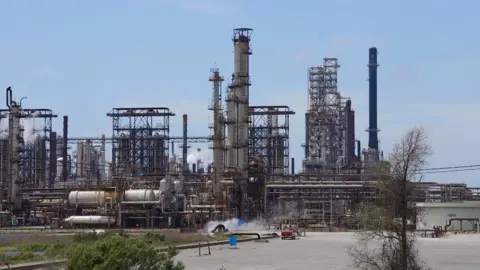
The Minerva Gloria is docked at a wharf in the Mississippi Sound, not far from the US's vast oil reserves in the Gulf of Mexico. The ship, 820ft long and painted navy and burgundy, is carrying precious cargo from Venezuela that, just six months ago, would have been impossible to bring to the US - 400,000 barrels of crude oil.Venezuela has the world’s largest oil reserves. Under former president Nicholas Maduro, oil exports had dropped significantly due to a lack of investment and US sanctions. However, following a successful US military operation that led to the capture of Maduro in January, oil exports from Venezuela have begun to revive.Now the oil is flowing again in Venezuela, with March’s crude exports surpassing one million barrels per day for the first time since September. As global energy prices fluctuate due to geopolitical tensions, US oil companies like Chevron are importing Venezuelan crude oil.Tim Potter, director of Chevron's refinery in Pascagoula, states, 'It’s a big deal for not only Chevron but the entire Gulf region.' Chevron is extracting and processing Venezuelan oil, benefitting from the heavy oils that the refinery was designed for. The company aims to increase its imports from Venezuela to 350,000 to 400,000 barrels per day.Despite this, US gasoline prices are still rising. Many consumers in Mississippi are feeling the impact of increased fuel costs, leading to concern and frustration over the situation. Although Chevron believes that this influx of Venezuelan oil will ultimately stabilize and lower prices in the future, the current market fluctuations mean that benefits may not be felt immediately.