In brief
In the face of rising energy costs and concerns over supply disruptions, Europe is revisiting nuclear energy as a potential solution to enhance energy independence. With countries like Italy and Belgium reversing previous bans and investing in nuclear technology, the continent is considering how nuclear power can fit into its energy strategy amidst ongoing geopolitical tensions.
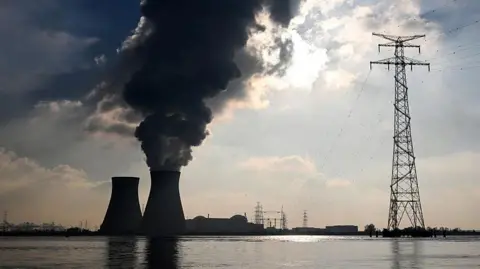
With a pit in their stomach, families and industries across Europe are watching gas prices and the cost of filling vehicles with petrol spiral. While the UK government has told voters pretty much to keep calm and carry on, the European Commission - the EU's executive arm - has called on people to work more from home and to travel a lot less. Policymakers warn things could get much worse - depending on what happens next in the Middle East. Yet it feels like only yesterday that Europeans faced a cost-of-living crisis on the back of spiraling energy costs and inflation following Russia's full-scale invasion of Ukraine. This means conversations in Europe are turning (again) to the issue of energy independence. And nuclear energy seems to be back in fashion as part of a home-grown European energy mix - in the UK as well as the EU. But how quick a fix can nuclear be - and how safe and reliable is it really?At the recent European Nuclear Energy Summit in Paris, European Commission chief Ursula von der Leyen described Europe broadly turning its back on nuclear as a 'strategic mistake'. In 1990, Europe produced around a third of its electricity from nuclear power. That has now fallen to an average of 15%, leaving the continent 'completely dependent on expensive and volatile imports' of fossil fuels, she noted. Officials are keen to remind citizens of the risks associated with relying heavily on fossil fuels, as was demonstrated when sanctions against Russia led to severe supply disruptions.As countries across Europe reassess their energy strategies, nuclear energy appears to be experiencing a revival. Countries like Italy are moving to repeal bans on nuclear power, while Belgium is showing increased willingness to invest in nuclear technologies. Sweden has reversed a decision made decades ago to abandon nuclear, reflecting a broader trend in which nations look to bolster their energy resilience in this volatile geopolitical landscape.However, the prospect of quickly ramping up nuclear production is fraught with challenges. Building new reactors requires significant time and investment, and many existing nuclear facilities require costly upgrades. Furthermore, the recent rise in prices of renewable energy technologies has sparked debate over whether investing in nuclear is the best long-term strategy for achieving energy independence and sustainability.A lively debate continues on the strategic role of nuclear energy in Europe, balancing the immediate need for energy security with longer-term goals of sustainability and reduced dependence on fossil fuels. As the continent navigates these turbulent times, the discussion over nuclear energy will likely remain at the forefront of energy policy considerations.