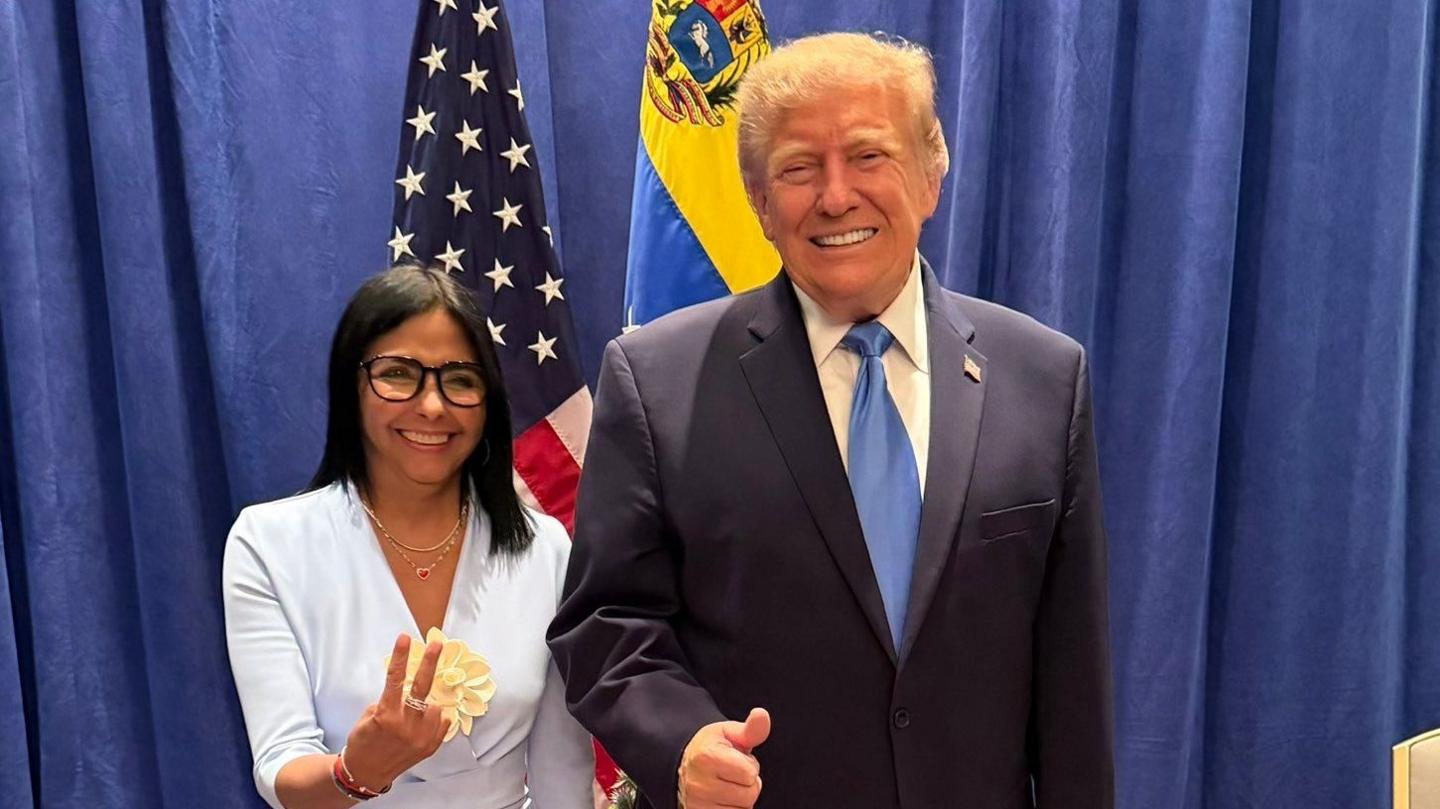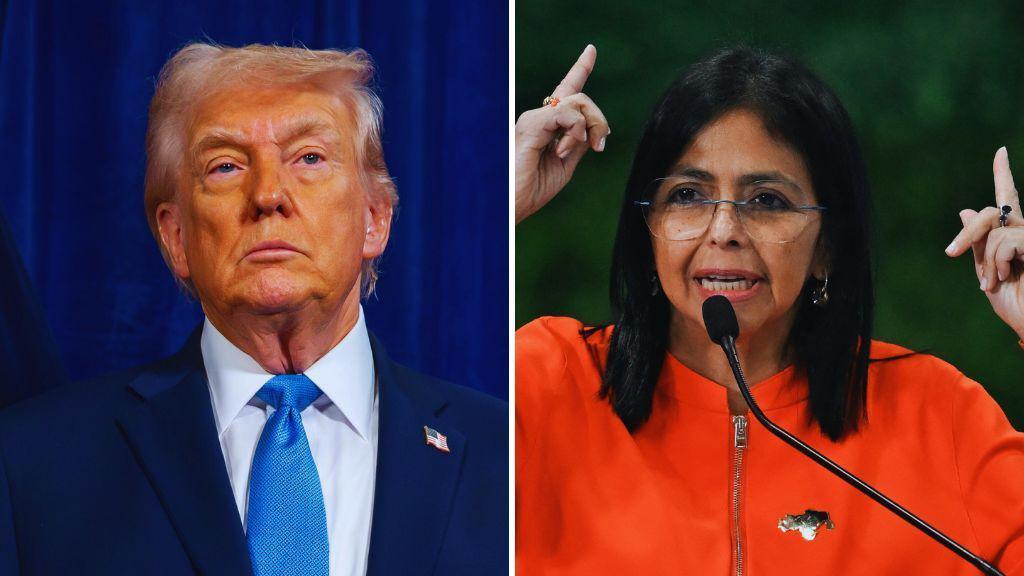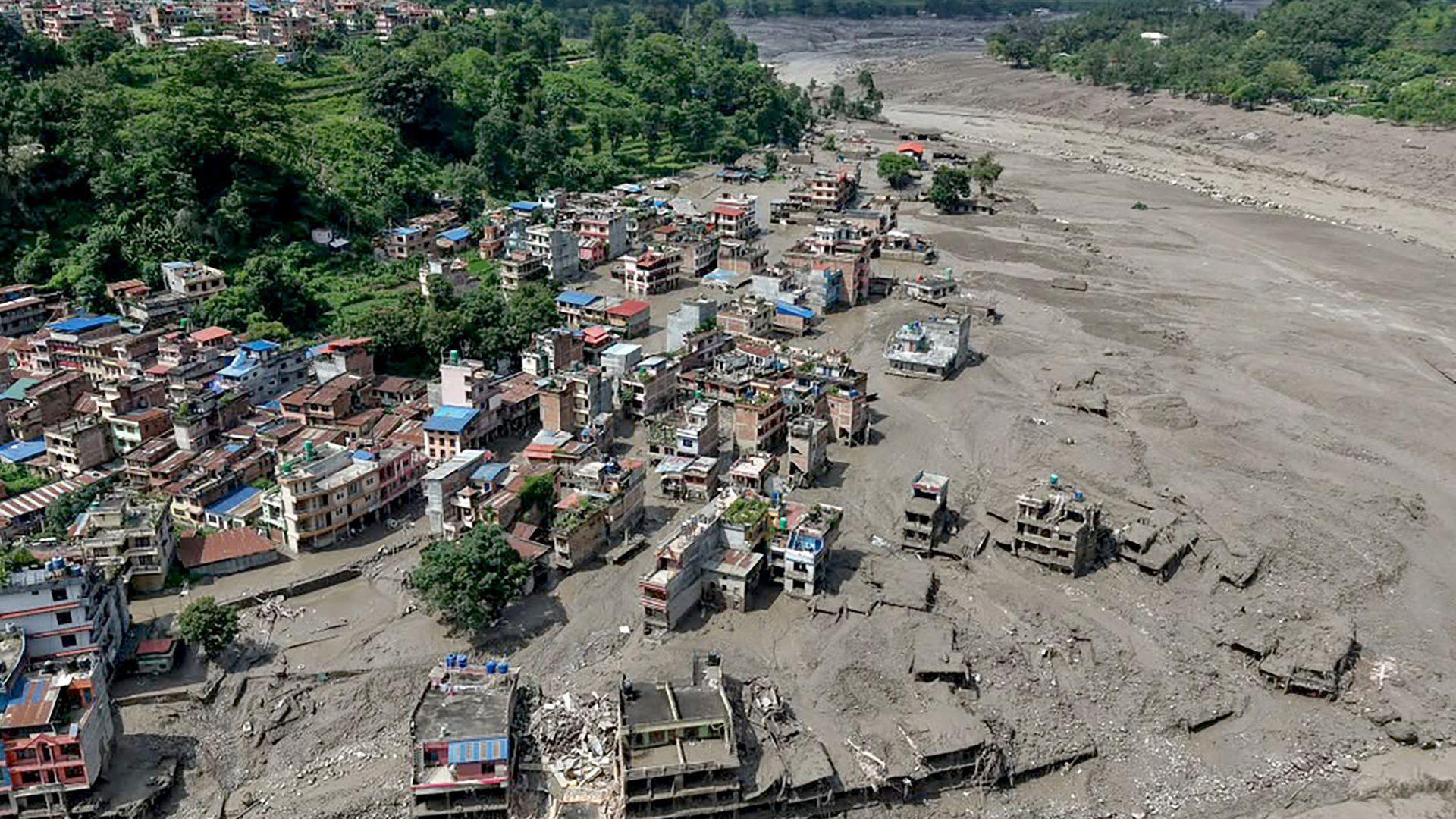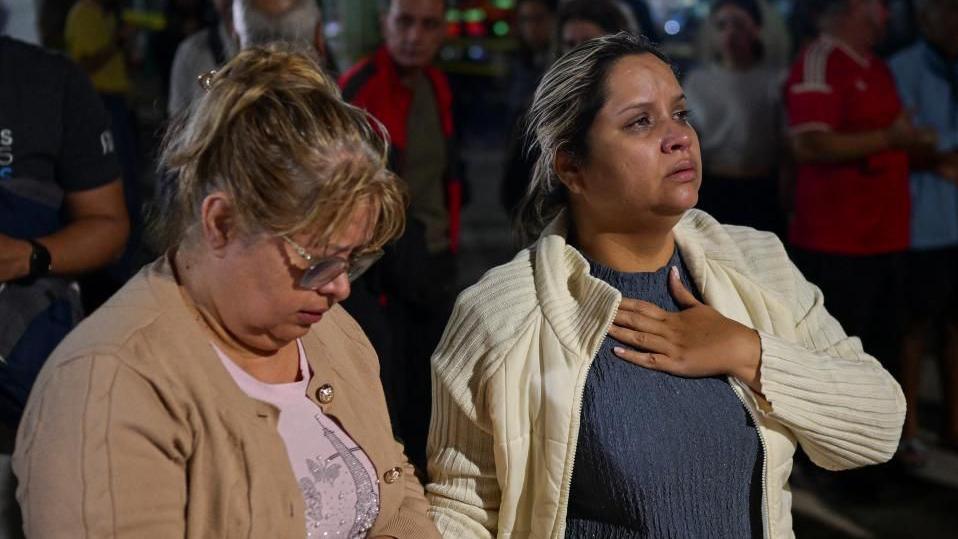
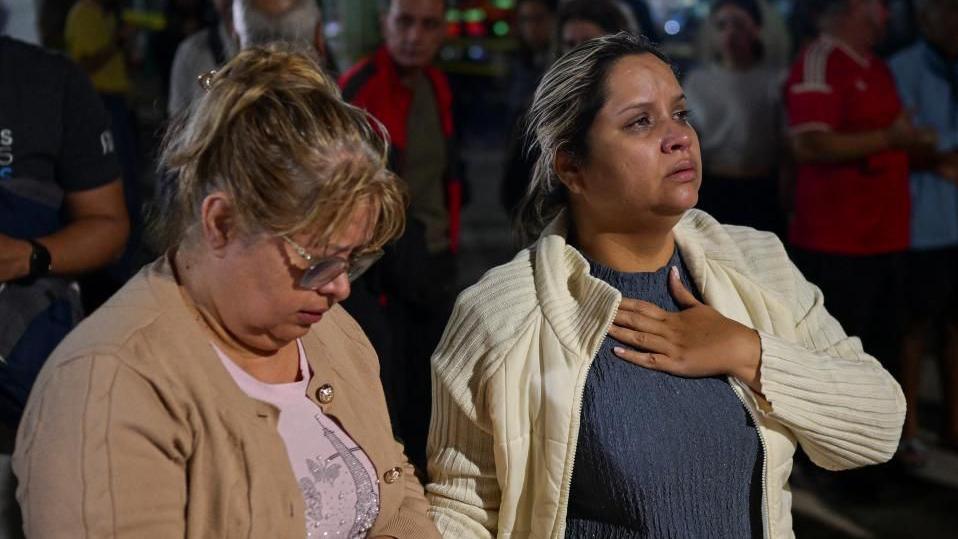
While the number of victims from Venezuela’s twin quakes rages on, the disaster is a massive setback for a nation already beset by political uncertainty and economic collapse. Just months after US forces seized former President Nicolás Maduro and brought him to trial in New York, the country was left to be navigated by Delcy Rodríguez, a former vice‑president and staunch Maduro supporter.
A Government in Crisis
Rodríguez’s televised address, more than two hours after the earthquakes, highlighted the chaos and lack of reliable information, which stem from damaged communication networks and a legacy of media suppression. Her speech called for national unity, declared a state of emergency, and tasked General Juan Ernesto Sulbarán of the National Guard with leading the response. Her remarks, padded with references to the military’s prominence in Venezuelan politics, signaled an attempt to steer the country out of the twin crises of rubble and governance.
Infrastructure Shattered
The quakes have magnified the decades‑long decline of Venezuela’s public infrastructure. Years of sharp shortages—particularly in cement, a byproduct of the nationalised cement industry under Hugo Chávez—and mismanagement have left many buildings unsafe. The National Guard‑led emergency response has struggled to access crucial tools and vehicles because the military has historically been prioritized over civil protection units.
Breaking with the Past: Seeking International Aid
In a divergent move from Maduro’s former isolationist stance, Rodríguez has publicly received and thanked aid offers from the United States, Chile, Dominican Republic, and El Salvador—all governed by right‑wing administrations. She underscored that “solidarity between our people is an invaluable source of strength” in moments of such devastation. This openness offers a glimmer of hope for families huddled in rubble, some losing loved ones, and for a nation battered by enduring uncertainty.
The twin quakes in Caracas—taking place on Wednesday—demonstrated how natural disasters can collide with entrenched political and economic trauma, demanding a swift, unified response and a renewed willingness to collaborate with the international community.