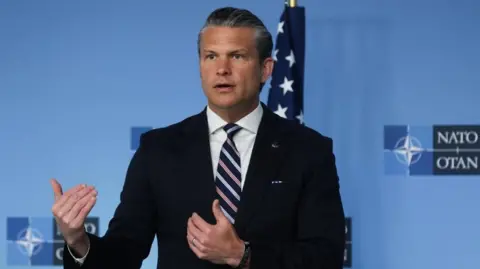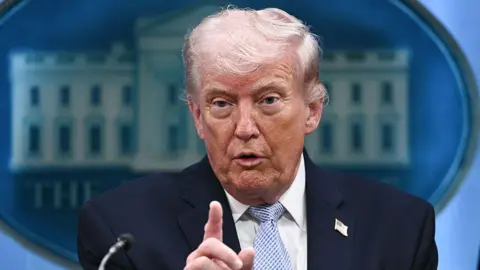
US President Donald Trump has announced that the United States will commence a blockade of the Strait of Hormuz after negotiations with Iran failed to yield any agreements.
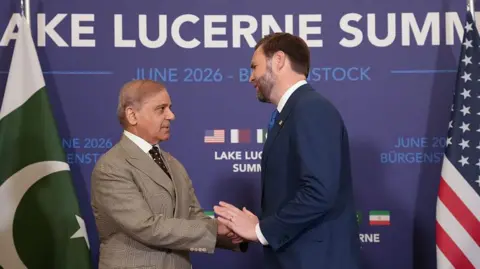
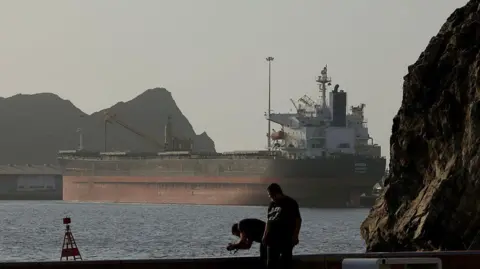
Iran has effectively shut down the strait, which is crucial for approximately 20% of the world’s oil and gas supply, as part of its broader military strategy. During discussions in Pakistan, Trump stated that Iran’s refusal to abandon its nuclear ambitions led to the breakdown of talks.
The Iranian government reacted with criticism, noting that the US had made 'excessive demands' and failed to establish trust during negotiations.
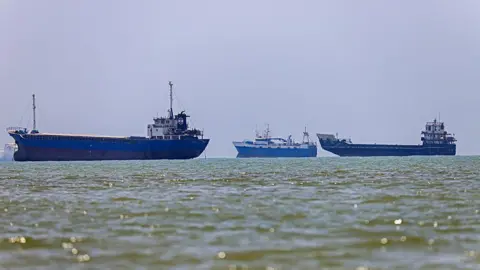
Trump declared on social media that the Navy is to block all ships attempting to enter or exit the strait and that vessels must not engage in 'illegal toll payments' to Iran. He also mentioned that the US would destroy mines reportedly laid by Iran in the strait.
The proposed blockade, described by Trump as an 'all or none' operation, is intended to halt Iranian revenue from tolls, with potential repercussions for global oil prices. Analysts speculate the announcement aims to pressure Iran towards making concessions.
Aside from the blockade, military measures and international collaboration, including assistance from NATO, were mentioned. However, some experts have raised legal concerns regarding the blockade and its compatibility with maritime law. There’s skepticism regarding how effective such a blockade would be, given the limited traffic in the strait following ongoing tensions.
Currently, despite a ceasefire agreement, vessel traffic has dramatically decreased, with only a handful of ships recorded since the escalation of conflict. The situation remains tense as the global community monitors developments around this critical shipping route.