In brief
Scott Bessent, speaking to CNBC, urged U.S. allies to make a decisive choice on whether to aid Iran’s regime or support Washington’s plans to crush its economy. He framed the move as the greatest coordinated economic isolation in history, warning that firms dealing with Iran risk sanctions. Bessent’s remarks follow President Trump’s threat of "tremendous consequences" for any country providing lifelines to Tehran. While he did not disclose specific sanctions, he announced a press conference on 24 August to reveal details. Iran’s economy, already battered by decades of sanctions and recent protests, faces further pressure that could reshape the region’s financial dynamics.
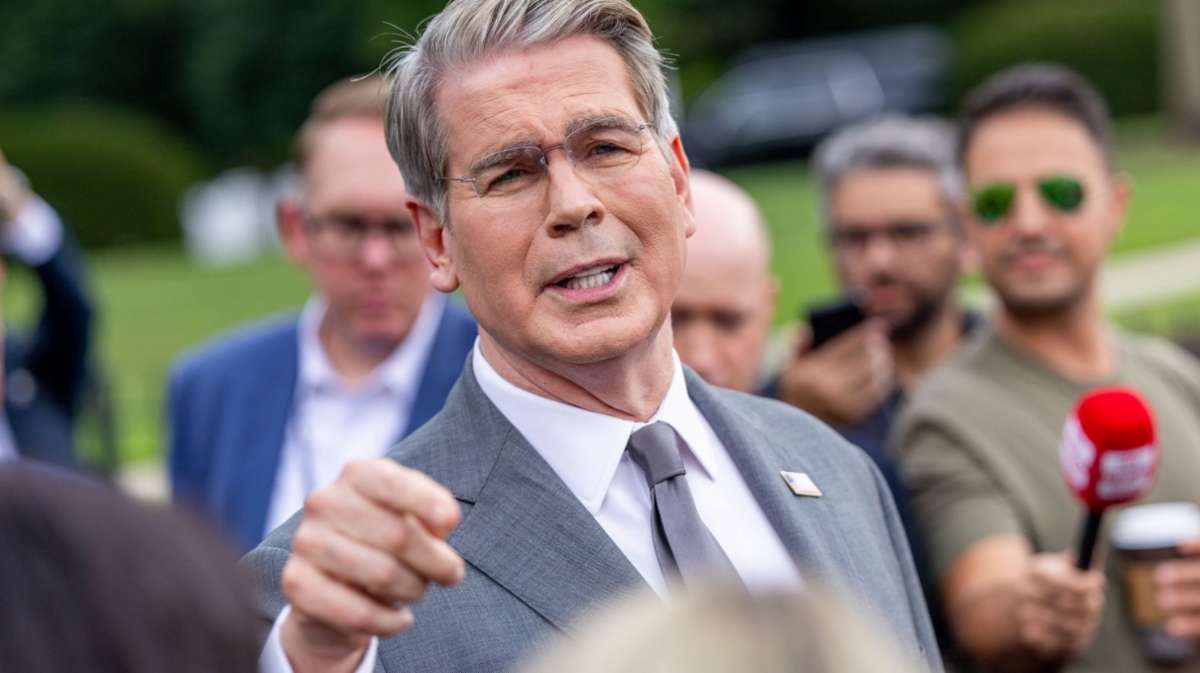
US Treasury Secretary Scott Bessent called on the world’s allies to decide whether they will back Washington’s plan to "squash" Iran’s economy, setting the stage for what he called the greatest coordinated economic isolation in history.
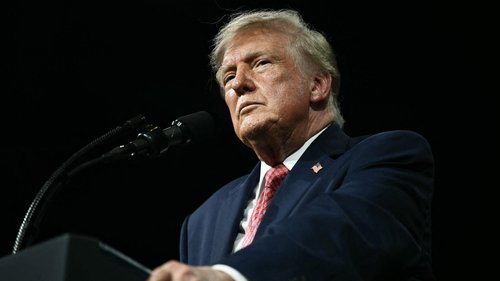
Following President Donald Trump’s warning on Truth Social that any country providing a "lifeline" to the Iranian regime would face "tremendous economic consequences," Bessent emphasized that the choice was stark: either support the US or stand with Iran. He did not detail the sanctions yet, but promised further clarification at a press conference on 24 August.
Bessent warned that businesses engaging with Iran—whether by transferring money or purchasing oil—would face U.S. Treasury enforcement. "If you insist on doing business with Iran, the Treasury will use its full force to impose penalties," he said. This message aimed to deter companies from maintaining economic ties with Tehran.
The U.S. has an extensive record of crippling Iranian finances, including naval blockades and sanctions against foreign banks, following a failed attempt to eliminate the regime. But the current plan signals a potentially deeper blow, could sidestep a kinetic conflict and focus exclusively on crippling the Iranian economy.
Iranian officials and businesspeople warn that new sanctions could devastate profit margins and deterrence, but some observers note the nation’s experience with sanctions and resilience. One businessman told Middle East Lifeline that global companies are now wary of investing in Iran, fearing potential losses.
The broader context of the crisis includes rising inflation—basic necessities have risen by 60% over the past year—and public protests over the cost of living. President Trump’s rhetoric, combined with Israel’s attack on Iran and subsequent blockades, has intensified the pressure on Tehran.
Bessent’s upcoming briefing will detail the full scope of the economic isolation strategy, signalling a stringent stance against Iran’s regime and potentially altering the balance of power in the Middle East.