The United States has designated a notorious drug-trafficking organisation in Colombia as a terrorist group.
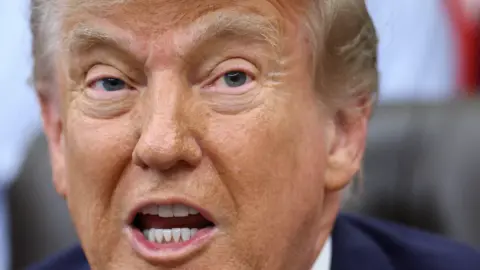
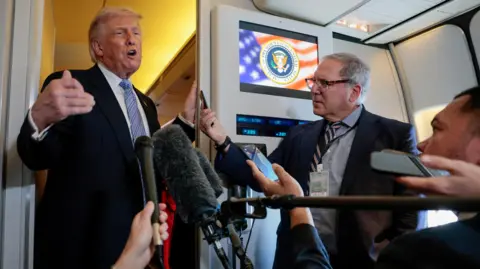
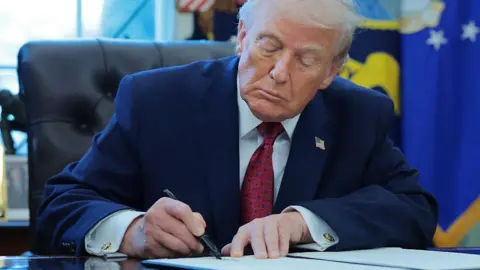
The US Treasury Department added the group, known as Clan del Golfo or Gulf Clan, to its list of Foreign Terrorist Organisations (FTOs). This designation came just hours after US President Donald Trump signed an executive order classifying the drug fentanyl as a 'weapon of mass destruction'.
The two moves are seen as a further ramping-up of the Trump administration's war on drugs which has also seen it carry out more than 20 lethal strikes on boats suspected to be carrying drugs in the Caribbean and the Pacific. More than 90 people were reported killed in these strikes, which some legal experts have called into question.
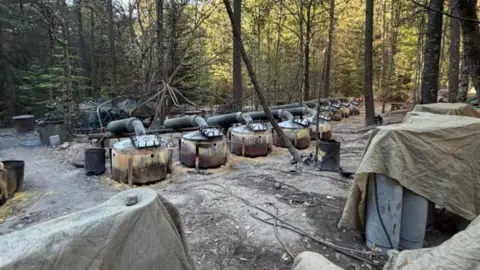
Clan del Golfo is engaged in criminal activities for decades, primarily trafficking cocaine from Colombia—the largest producer of the drug—to destinations in the United States and Europe. The group is also implicated in smuggling migrants through the Darién Gap, connecting Colombia to Panama.
US Secretary of State Marco Rubio stated that the group has carried out terrorist attacks against civilians, public officials, and law enforcement in Colombia. It is estimated to possess thousands of members and is thought to be the largest cocaine-trafficking gang currently operating in Colombia.
The FTO designation comes just two weeks after Colombia's President, Gustavo Petro, signed a landmark deal with the gang aimed at peace, which USA’s move could complicate. Petro had campaigned on promises of 'total peace' for Colombia, but ongoing tensions and criticisms between him and the Trump administration could hinder progress.
Petro has condemned the US strikes against alleged drug vessels, dubbing them 'murder.' Additionally, Rubio has publicly disparaged the Colombian president, further straining bilateral relations.
This latest move allows the US to freeze assets held by Clan del Golfo at US financial institutions and prosecute individuals who provide material support to them. Trump has also hinted at the possibility of military action on land against drug traffickers, introducing the prospect of further destabilization in Colombia.
With fentanyl-related deaths on the rise, the US administration's focus on combatting drug trafficking remains a top priority, but critics argue that the US strategy, particularly its focus on Colombia and Venezuela, might be misdirected.