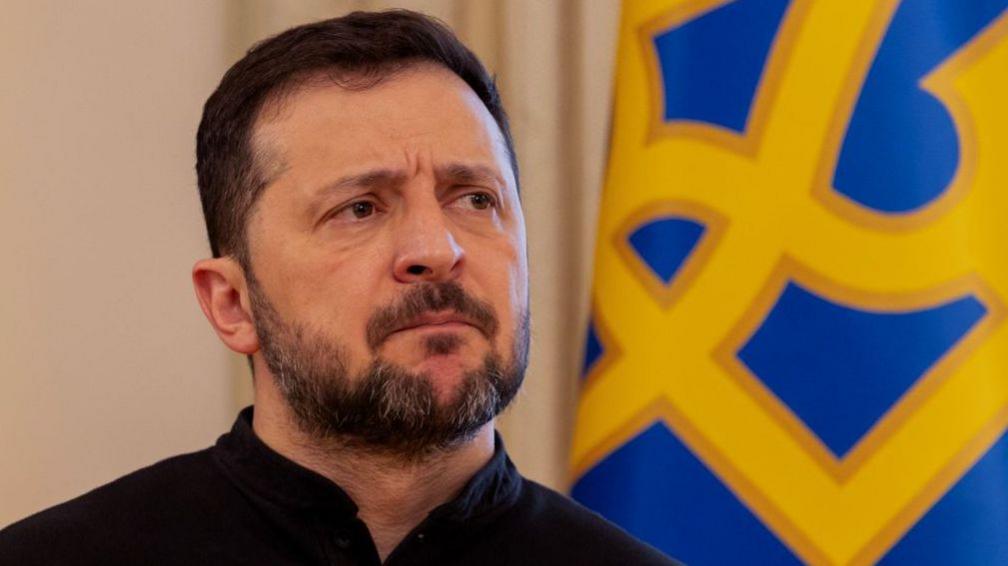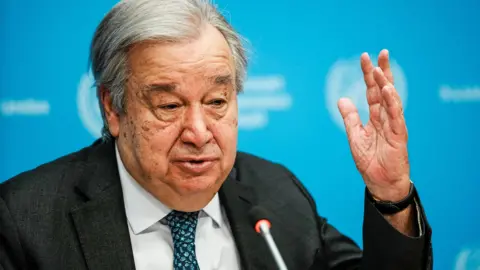
The United Nations is at risk of imminent financial collapse due to member states not paying their fees, the body's head, António Guterres, has warned.
Guterres stated that the UN faces a financial crisis that is deepening, threatening programme delivery, and indicated that funds could run out by July.
In a letter to ambassadors, he emphasized that all 193 member states must honor their mandatory payments or significantly overhaul the organization’s financial rules to avert collapse.
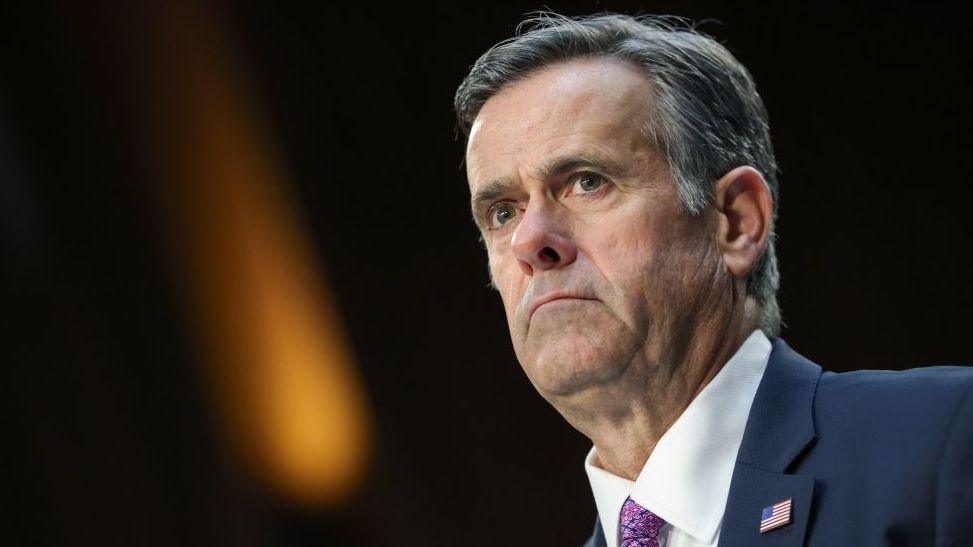
This warning follows the United States, the UN's largest contributor, refusing to pay into its regular and peacekeeping budgets, claiming it is a waste of taxpayer dollars and withdrawing from several agencies.
Guterres has noted that the current crisis is categorically different from previous financial issues, voicing concern that decisions to not honor contributions are publicly announced.
He stressed that the integrity of the UN relies on states adhering to their legal obligations under the charter to pay assessed contributions, mentioning that 2025 ended with a staggering 77% of total owed payments unpaid.
Additionally, Guterres pointed out the complications arising from a rule that requires the UN to return unspent funds, creating a situation where the organization must give back cash that does not exist.
I cannot overstate the urgency of the situation we now face. We cannot execute budgets with uncollected funds, nor return funds we never received, he remarked.
Ultimately, Guterres concluded with a clear message: All member states must honor their obligations to pay in full and on time, or they must fundamentally reform financial rules to prevent an imminent financial collapse.
This crisis comes on the backdrop of President Trump's administration criticizing UN expenditures and emphasizing that funding needs to align with US interests.
Moreover, in late December, the US pledged $2 billion to UN humanitarian programs but noted that the amount was significantly less than previous commitments, reflecting a broad trend of reduced funding.