The US has criticized the Venezuelan government over the death of an opposition figure in custody, calling it a reminder of the vile nature of President Nicolás Maduro's regime.
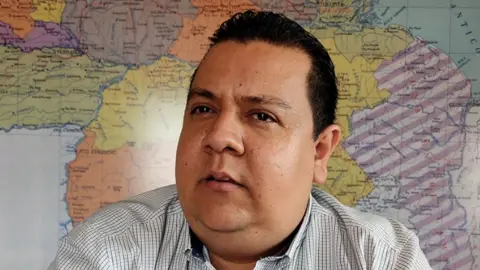
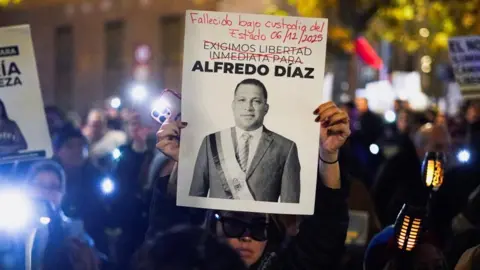
Alfredo Díaz died in his prison cell at the El Helicoide prison in Caracas where he was held for over a year, according to human rights organizations and opposition groups. The Venezuelan government, however, stated that the 56-year-old showed signs of a heart attack before being taken to the hospital, where he later died on Saturday.
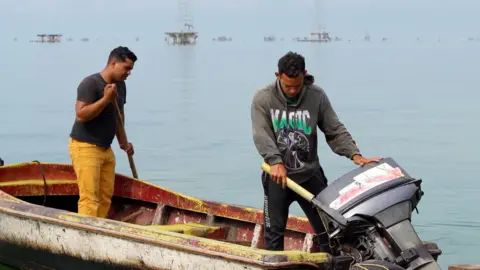
In recent months, the US has ramped up its military presence in the region and carried out strikes against vessels allegedly used for drug smuggling. US President Donald Trump has labeled Maduro as the leader of a regional drug cartel, a claim the Venezuelan leader has denied.
The US State Department's Bureau of Western Hemisphere Affairs labeled Díaz's detention arbitrary, alleging he was held in a torture centre following the 2024 presidential election, which Maduro won amidst claims of electoral fraud. Díaz, a former governor of the Nueva Esparta state, was accused of incitement and terrorism for challenging Maduro's victory.
The Venezuelan human rights organization Foro Penal expressed concerns over the decline in conditions for political prisoners, stating that Díaz had spent most of his incarceration in solitary confinement, allowed only one visit from his daughter.
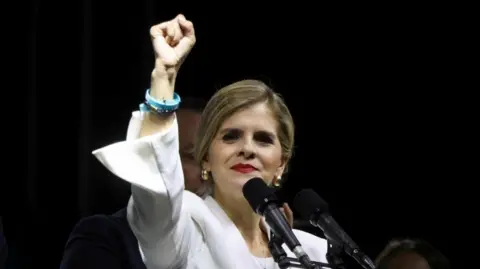
Prominent opposition leader María Corina Machado lamented Díaz's death, linking it to a broader pattern of political repression in Venezuela. She and the Democratic Unitary Platform, an opposition alliance, declared Díaz's passing an injustice rooted in the oppressive actions of Maduro's government.
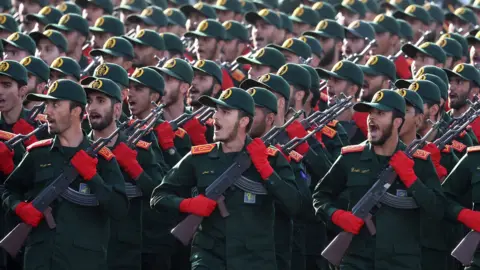
Tensions remain high between the US and Venezuela, with accusations of drug trafficking as a pretext for US military actions and Venezuelan claims of defending sovereignty against foreign intervention. In response to perceived threats, the Venezuelan military has made significant troop deployments, while Maduro continues to strengthen collaborations with allies, including Turkey.
Alfredo Díaz died in his prison cell at the El Helicoide prison in Caracas where he was held for over a year, according to human rights organizations and opposition groups. The Venezuelan government, however, stated that the 56-year-old showed signs of a heart attack before being taken to the hospital, where he later died on Saturday.
In recent months, the US has ramped up its military presence in the region and carried out strikes against vessels allegedly used for drug smuggling. US President Donald Trump has labeled Maduro as the leader of a regional drug cartel, a claim the Venezuelan leader has denied.
The US State Department's Bureau of Western Hemisphere Affairs labeled Díaz's detention arbitrary, alleging he was held in a torture centre following the 2024 presidential election, which Maduro won amidst claims of electoral fraud. Díaz, a former governor of the Nueva Esparta state, was accused of incitement and terrorism for challenging Maduro's victory.
The Venezuelan human rights organization Foro Penal expressed concerns over the decline in conditions for political prisoners, stating that Díaz had spent most of his incarceration in solitary confinement, allowed only one visit from his daughter.
Prominent opposition leader María Corina Machado lamented Díaz's death, linking it to a broader pattern of political repression in Venezuela. She and the Democratic Unitary Platform, an opposition alliance, declared Díaz's passing an injustice rooted in the oppressive actions of Maduro's government.
Tensions remain high between the US and Venezuela, with accusations of drug trafficking as a pretext for US military actions and Venezuelan claims of defending sovereignty against foreign intervention. In response to perceived threats, the Venezuelan military has made significant troop deployments, while Maduro continues to strengthen collaborations with allies, including Turkey.