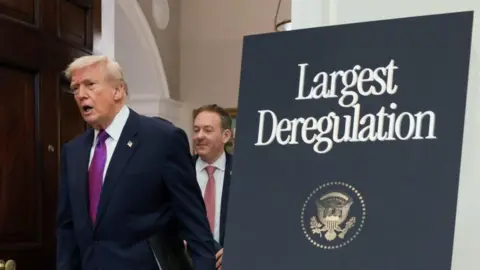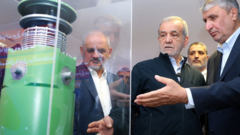
In preparation for the next round of nuclear discussions in Rome, both Iran and the United States are facing a precarious situation filled with military threats and uncertain diplomatic messages. US President Donald Trump remains vocal about the stakes for Iran, emphasizing the choice between a diplomatic deal or potential military action. Reports revealed Trump had dismissed an Israeli plan for preemptive strikes against Iranian nuclear sites, showing a preference to pursue diplomatic channels first.
Despite the reported constructive nature of prior talks in Oman, securing a concrete agreement remains a challenging prospect. Trump has echoed a desire for Iran to thrive without conflict, while continuously affirming that he will make a decision on Iran's future soon. The backdrop of these negotiations is tense; Trump’s exit from the 2015 nuclear agreement led to Iran ramping up its nuclear activities in defiance of sanctions.
Iran's leadership, meanwhile, insists its return to negotiations isn't driven by fear but by a need for pragmatic discussions on nuclear limitations alone. However, there is a mutual recognition of the risks posed by military action. Trump’s Special Envoy, Steve Witkoff, stated that any future arrangements would need to ensure that Iran halts its nuclear program, further complicating the dialogue with Iran’s Foreign Minister, Abbas Araghchi, emphasizing that the right to enrich uranium remains non-negotiable.
Heightened diplomatic activity includes meetings between Iran and Saudi leaders, fostering a mix of regional dynamics. Iran remains vigilant, pledging retaliation against any US military actions. The increased military cooperation between Iran and Russia adds another layer of complexity to the global narrative surrounding these talks.
Overall, while both sides express cautious optimism, evident tensions and commitments toward military readiness signal that the road ahead for peaceful negotiations is fraught with challenges.
Despite the reported constructive nature of prior talks in Oman, securing a concrete agreement remains a challenging prospect. Trump has echoed a desire for Iran to thrive without conflict, while continuously affirming that he will make a decision on Iran's future soon. The backdrop of these negotiations is tense; Trump’s exit from the 2015 nuclear agreement led to Iran ramping up its nuclear activities in defiance of sanctions.
Iran's leadership, meanwhile, insists its return to negotiations isn't driven by fear but by a need for pragmatic discussions on nuclear limitations alone. However, there is a mutual recognition of the risks posed by military action. Trump’s Special Envoy, Steve Witkoff, stated that any future arrangements would need to ensure that Iran halts its nuclear program, further complicating the dialogue with Iran’s Foreign Minister, Abbas Araghchi, emphasizing that the right to enrich uranium remains non-negotiable.
Heightened diplomatic activity includes meetings between Iran and Saudi leaders, fostering a mix of regional dynamics. Iran remains vigilant, pledging retaliation against any US military actions. The increased military cooperation between Iran and Russia adds another layer of complexity to the global narrative surrounding these talks.
Overall, while both sides express cautious optimism, evident tensions and commitments toward military readiness signal that the road ahead for peaceful negotiations is fraught with challenges.