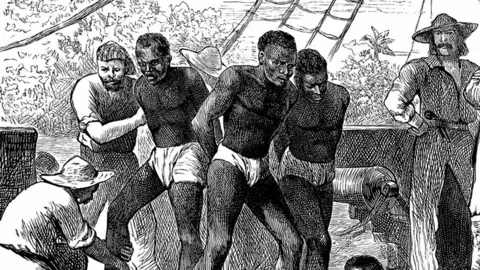
The United Nations General Assembly has voted to recognize the enslavement of Africans during the transatlantic slave trade as 'the gravest crime against humanity', a move advocates hope will pave the way for healing and justice. The resolution - proposed by Ghana - called for this designation, while also urging UN member states to consider apologizing for the slave trade and contributing to a reparations fund. It does not mention a specific amount of money. The proposal was adopted with 123 votes in favor and three against - the United States, Israel, and Argentina. Fifty-two countries abstained, including the United Kingdom and European Union member states. Countries like the UK have long rejected calls to pay reparations, stating that today’s institutions cannot be held responsible for past wrongs.
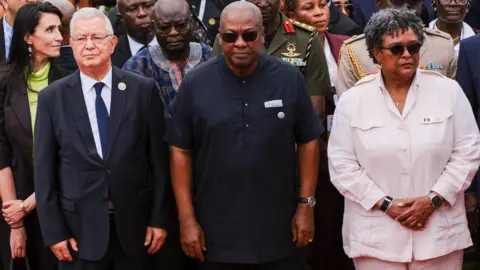
Unlike UN Security Council resolutions, those from the General Assembly are not legally binding, though they carry the weight of global opinion. Ghana's President John Mahama emphasized the resolution's significance for documenting the history of the millions who suffered the indignity of the slave trade and ongoing racial discrimination. He stated, 'The adoption of this resolution serves as a safeguard against forgetting. It also challenges the enduring scars of slavery.'
Earlier, his foreign minister, Samuel Okudzeto Ablakwa, stated that compensation demands are not for personal gain but for justice and support for the victims. The resolution has gained significant momentum in recent years, calling for 'reparatory justice' and a return of cultural artifacts looted during the colonial era. The resolution underscores the persistent racial inequalities affecting Africans and people of African descent across the globe, a lasting consequence of the transatlantic slave trade.
Unlike UN Security Council resolutions, those from the General Assembly are not legally binding, though they carry the weight of global opinion. Ghana's President John Mahama emphasized the resolution's significance for documenting the history of the millions who suffered the indignity of the slave trade and ongoing racial discrimination. He stated, 'The adoption of this resolution serves as a safeguard against forgetting. It also challenges the enduring scars of slavery.'
Earlier, his foreign minister, Samuel Okudzeto Ablakwa, stated that compensation demands are not for personal gain but for justice and support for the victims. The resolution has gained significant momentum in recent years, calling for 'reparatory justice' and a return of cultural artifacts looted during the colonial era. The resolution underscores the persistent racial inequalities affecting Africans and people of African descent across the globe, a lasting consequence of the transatlantic slave trade.