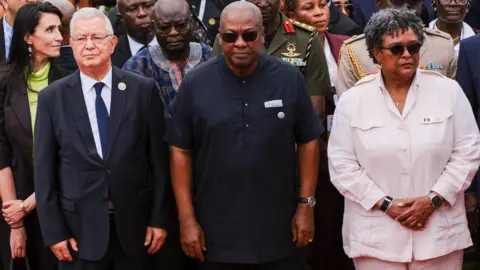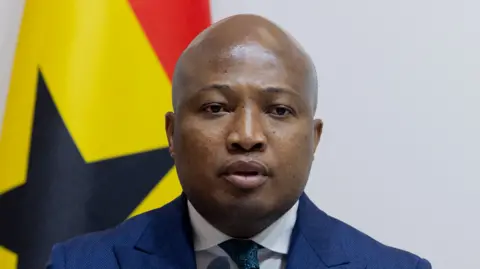
Ghana's Foreign Minister, Samuel Okudzeto Ablakwa, referred to slavery as the most horrendous crime that took place in the history of mankind in anticipation of a landmark UN vote. The assembly is set to address a resolution, spearheaded by Ghana, which demands that the transatlantic slave trade be recognized as the gravest crime against humanity.
The proposed resolution also encourages UN member states to consider issuing formal apologies and contributing to a reparations fund for the descendants of enslaved Africans. While the resolution aims to promote healing and justice, it is expected to meet resistance from countries like the UK, which have dismissed the idea of reparations on the grounds that modern institutions should not be accountable for historical injustices.
Advocates for the resolution, including the African Union, emphasize its importance in seeking justice for those affected by the slave trade. Minister Ablakwa clarified that the discussions are not about prioritizing Ghana's pain over others but are meant to document historical truths.
From 1500 to 1800, it is estimated that between 12 to 15 million Africans were forcibly taken to the Americas, with over two million dying on the journey. As one of the primary ports for the slave trade, Ghana has long championed the call for reparations and the return of cultural artefacts seized during colonial times.
In conclusion, Ghana’s President, John Dramani Mahama, described the resolution as historic, framing it as essential to preserving the memory of slavery and its victims.