Trump’s ‘Unified Ireland’ Remark: Domestic Politics, International Echoes
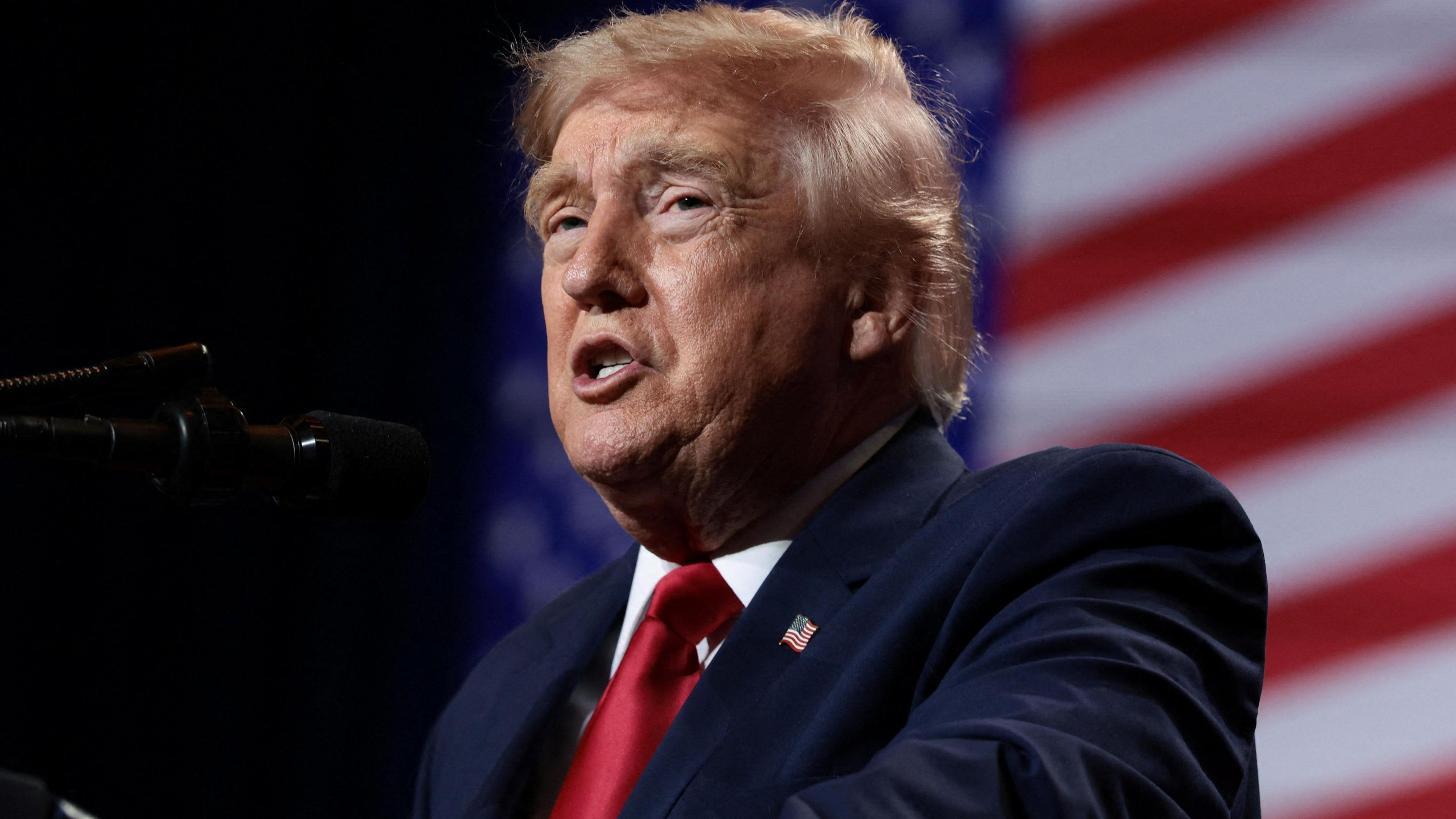
When former President Donald Trump took the podium in Dublin on Tuesday, he made a brief statement that he is hoping for a ‘unified Ireland’ as a future aspiration. The comment, made in front of a packed audience of Irish and Irish‑American business leaders, stunned Irish politicians and foreign‑policy observers alike.
Sources say the remark was not a policy announcement, but rather a personal outlook that would not change the US stance on the Good Friday Agreement. Both Republican special envoy Mick Mulvaney and Democratic congressman Brendan Boyle have insisted that the US remains committed to the existing peace accord and that no routine advance in policy is underway.
The timing of the speech, however, has drawn speculation that Trump was aiming to reach an overseas club of Irish‑Americans, many of whom have fluctuated between parties in recent US elections. In a climate of heightened partisan sentiment, the President’s words could be leveraged by Republicans to court this demographic ahead of the 2026 mid‑terms.
Irish government officials, meanwhile, have warned that even if a peninsula-wide vote is the ultimate goal, a re‑poll of the Border is still unthinkable. They emphasise that whatever the debate, every move remains governed by the Good Friday Agreement and existing diplomatic frameworks.
In summary, Trump’s call for an united Ireland did not mark a tide‑turning policy shift, but it opened a new rhetorical chapter in Irish‑American politics that is likely to be a talking point in the months leading to the mid‑term elections.