In brief
Lula da Silva’s landslide win in Brazil’s presidential runoff shocked the region and challenged President Donald Trump’s strategy to secure a Latin American bloc under the ‘Donroe Doctrine’. In his winning speech, Lula warned that Brazil would not be anyone’s backyard, a stance that resonated domestically and earned him respect even from Trump. The former union leader’s anti‑interference rhetoric forced the United States to ease punitive tariffs, although diplomatic friction remains as Brazil accuses Washington of undermining its electoral system. With Brazil’s vast rare‑earth resources and its position as the continent’s largest economy, the outcome compels the U.S. to rethink its influence in Latin America while Lula signals a firm commitment to sovereignty and domestic priorities.
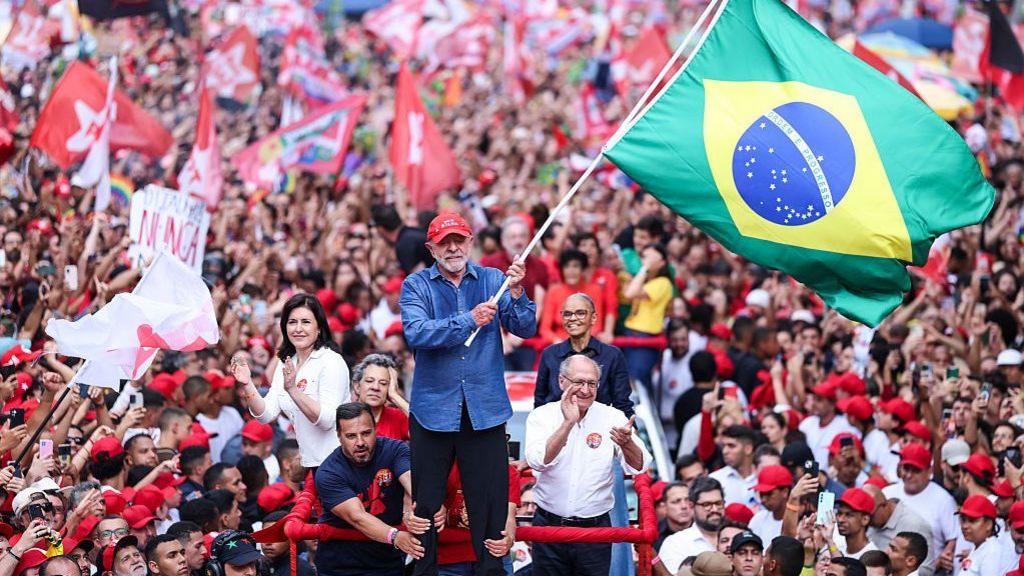
In São Paulo on October 24, 2026, Luiz Inácio Lula da Silva celebrated an astonishing victory, reclaiming the presidency with a landslide in the runoff against former Minister Flávio Bolsonaro. His victory speech, punctuated by the line,“Brazil will not accept being anyone's backyard,” was both a rallying cry of national pride and a pointed jab at Washington’s perceived interference.
The message struck a chord. By framing the campaign as a defence of sovereignty, Lula energized his base and even won praise from former U.S. President Donald Trump, who in a surprise statement said, “I like Lula, we get along well,” before later labeling the election as “rigged.” Trump’s comments revealed a deeper strategic disquiet.
Since 2020, the United States has pursued the “Donroe Doctrine” – a loose coalition of right‑wing governments across Latin America that promise to counter perceived left‑leaning influences and serve U.S. interests. Brazil, the region’s largest economy, was poised to bolster this bloc under a Flávio Bolsonaro rather than a Lula administration aligned with more progressive economic policies.
The tariff war illustrates the clash. Trump had slapped sanctions on Brazilian goods in response to Bolsonaro’s criminal crisis, forcing the U.S. to negotiate the easing of duties – a concession that Lula used to crescendo his anti‑interference narrative. Even as bilateral contacts have improved, at the UN and in the Oval Office, underlying mistrust lingers over issues like Brazil’s rare‑earth reserves, its instant‑payment platform Pix, and accusations of U.S. meddling in Brazil’s judiciary.
Lula’s campaign also highlighted U.S. tech controversies, arguing that platforms such as Meta favoured Bolsonaro, and he mobilised a 10‑million‑member WhatsApp network to circumvent algorithmic filtering. The U.S. remains Brazil’s second‑largest trade partner after China, but the political chasm widens as Lula insists on a policy of non‑intervention, rejecting Washington’s pre‑emptive military actions in the region.
Whether Trump’s Latin‑America strategy can endure is now uncertain. The new administration’s willingness to negotiate and respect Brazil’s sovereignty will be key, but any further accusations of political interference could reignite diplomatic flare‑ups. With Brazil’s 2038 presidential cycle looming, both leaders face a delicate dance of power that will shape the hemisphere’s geopolitical landscape for years to come.