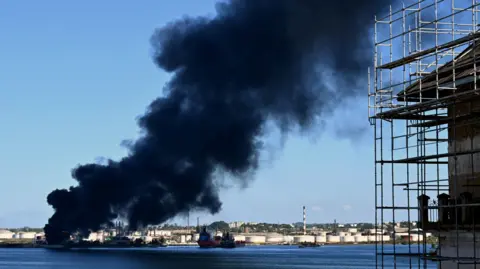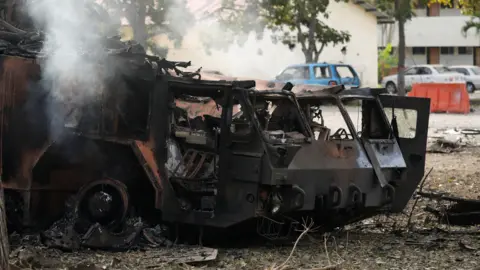
U.S. President Donald Trump announced that the United States will 'run' Venezuela until a proper transition of power can be established. This followed the capture of Venezuelan leader Nicolás Maduro amidst ongoing airstrikes in the country.
Following U.S. military operations, Maduro, along with his wife, was expelled from Venezuela and now faces drug-related charges in New York. This decisive military action comes after heightened tensions and accusations from the Trump administration that Maduro has been responsible for a significant influx of drugs and migration to the U.S.
Trump has specifically targeted Maduro, blaming him for the arrival of nearly eight million Venezuelan migrants over the past decade due to an economic crisis and alleged state repression. As part of this strategic campaign, the Trump administration has intensified its focus on drug trafficking, designating groups linked to the Maduro government as terrorist organizations, and has taken steps to dismantle the networks that allegedly support these drug operations.
In recent months, the U.S. has increased its military presence in the Caribbean, conducting numerous strikes on vessels suspected of drug smuggling that transport narcotics from South America to U.S. shores. Despite assertions from the U.S. government, many experts argue the legality of strikes and assert that Venezuela is a marginal player in global drug trafficking.
As the situation in Venezuela continues to develop, the motives behind the U.S.'s military intervention and its future plans for governance in Venezuela remain under scrutiny.