In brief
The Bureau of Land Management has initiated discussions with tribal leaders regarding the possible revocation of oil and gas development restrictions near Chaco Culture National Historical Park. The UNESCO-protected site, rich in heritage, may see a change in management policy, a move that has raised concerns among local tribes who fear for their cultural heritage and environmental impacts.
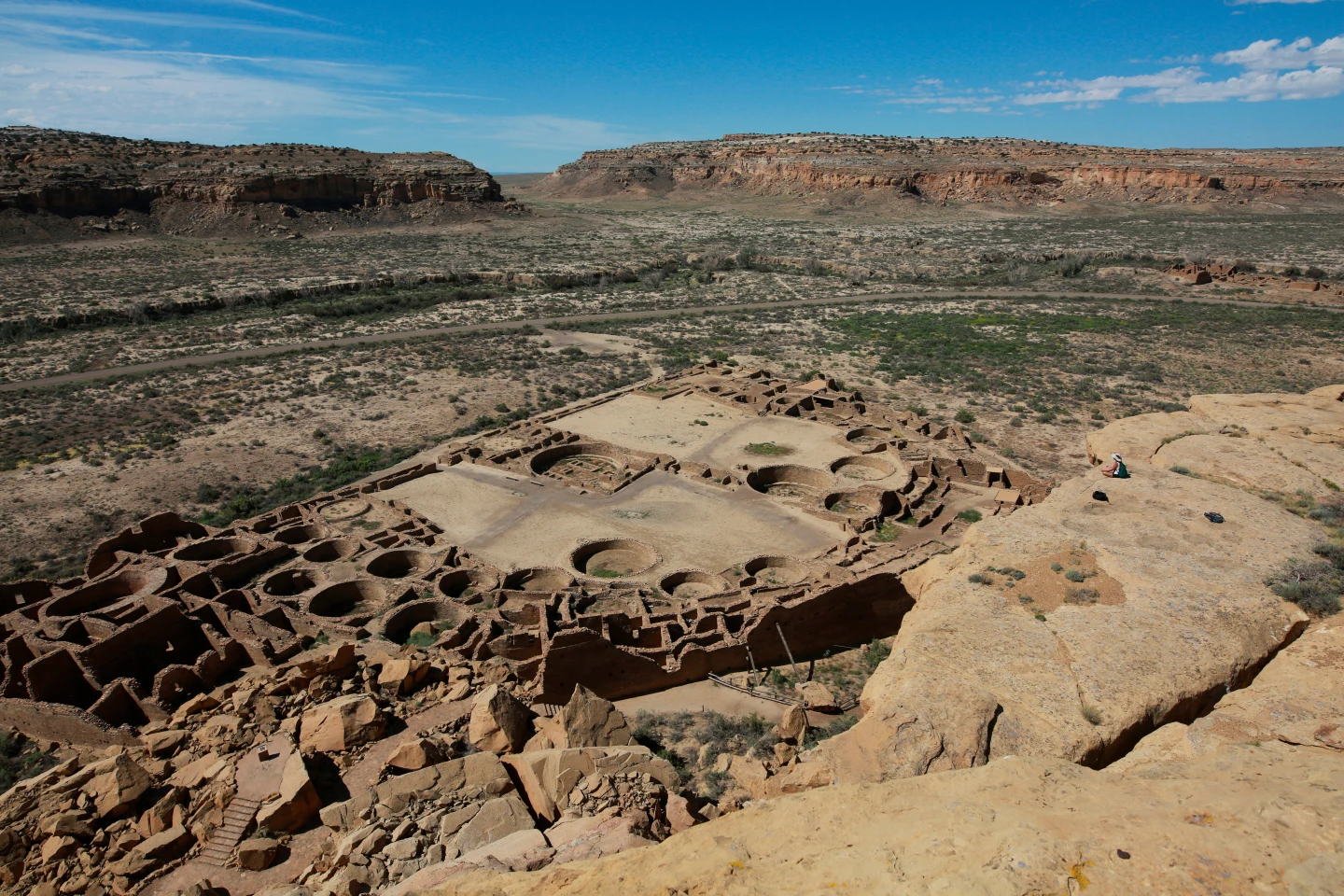
ALBUQUERQUE, N.M. – The Trump administration is preparing to hold formal discussions with Native American tribes in the southwestern U.S. as it evaluates a potential reversal of a 20-year ban on oil and gas exploration across hundreds of square miles of federal land surrounding Chaco Culture National Historical Park.
The Bureau of Land Management (BLM) announced its intentions in a letter sent to tribal leaders last week, indicating that an environmental assessment of the proposal will follow a public comment period. The site, recognized as a UNESCO World Heritage area, has been embroiled in debates over drilling for years, oscillating through various presidential administrations.
Former President Biden's administration had instituted the prohibition on new oil and gas development within a 10-mile radius of the historical site in 2023 at the urging of tribal leaders. However, with the current administration reconsidering numerous public land policies, concerns have been raised regarding the preservation of these protections.
Tribal leaders and New Mexico's Democratic congressional delegation, once satisfied with the ban, are anxious about the potential rollback of safeguards for the area, which is critical to their cultural heritage.
The BLM is considering three options: maintaining the withdrawal, fully revoking it, or establishing a smaller buffer around the park. The letter highlighted the urgency of the matter and reassured that BLM staff are available for discussions with tribal leaders, regardless of the government shutdown.
In recent months, pueblo leaders traveled to Washington, D.C., advocating for permanent protection measures and emphasizing the deep cultural and historical ties to Chaco Canyon.
“Our bloodlines, our heritage, our cultural foundation, our identity comes from Chaco Canyon,” stated Raymond Aguilar, Lt. Governor of Santo Domingo Pueblo, during a press conference. He highlighted the area’s importance not just as a historical site but as a current center of prayer for their community.
The ongoing debate regarding the proposal complicates the relationship between tribes, especially as some Navajo members seek to balance cultural conservation with economic needs linked to oil and gas royalties.
The Interior Department has yet to comment on the evolution of these discussions. Tribal communities are prioritizing their voice in the decision-making process concerning the land that is central to their identity.