In brief
In a recent court hearing, conservation groups and Native American tribes urged for changes in dam operations along the Columbia and Snake Rivers to aid critically endangered salmon populations. Legal proceedings resumed following the collapse of a previous federal agreement aimed at salmon recovery, prompting calls for immediate action to address the deteriorating fish stocks and the ecological balance affected by current dam operations.
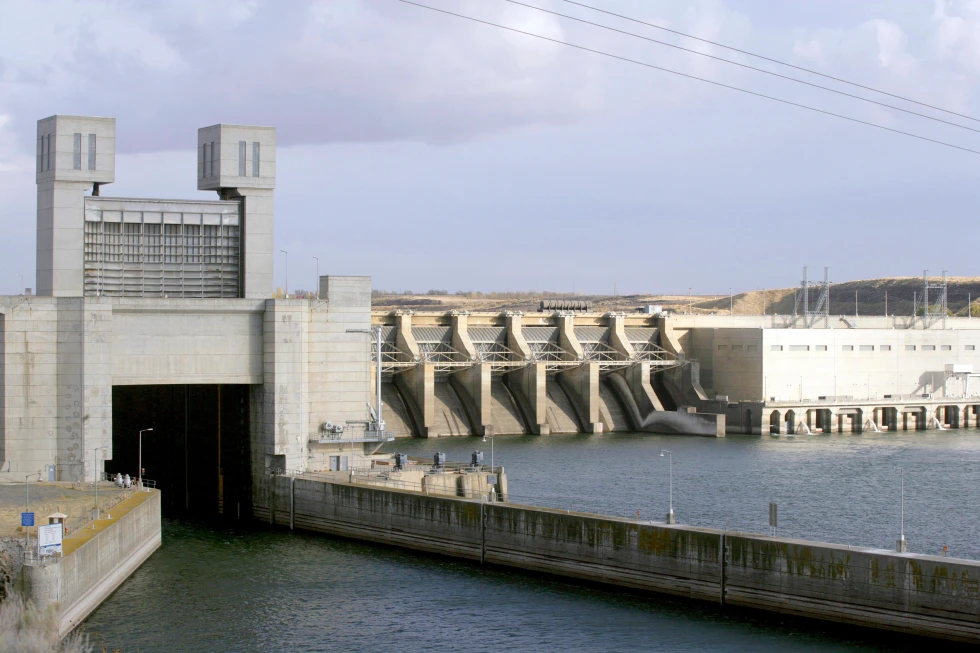
Attorneys representing conservation organizations, Native American tribes, and the states of Oregon and Washington sought modifications to the operations of hydropower dams on the Snake and Columbia Rivers during a court session in Portland. This legal challenge emerged after a significant federal pact aimed at recovering salmon populations faltered, following its stalling by President Trump.
The halted agreement, which would have allocated $1 billion over ten years for both salmon restoration and support for clean energy initiatives by tribes, was labeled by the White House as 'radical environmentalism.' U.S. District Judge Michael Simon noted the courtroom's full attendance and the recurrent nature of the litigation, referring to it as 'déjà vu.'
The plaintiffs contend that the operational methods of the dams violate the Endangered Species Act and have prompted judicial directives for modifications traditionally aimed at safeguarding fish populations. Key proposed changes include adjusting reservoir levels to facilitate quicker fish travel and implementing more spillover mechanisms to divert juvenile fish away from turbines.
Amanda Goodin from Earthjustice highlighted the urgency of the situation, stating, 'We are looking at fish that are on the cusp of extinction.' Meanwhile, attorneys representing the federal government countered that increased spill may not lead to linear benefits for salmon populations, arguing that such measures could jeopardize safe and effective dam operations.
This legal dispute has intensified following Trump's withdrawal from the Resilient Columbia Basin Agreement, which previously allowed for litigation pauses. The plaintiffs, including the state of Oregon and various conservation groups supported by the Nez Perce Tribe and Yakama Nation, filed for a preliminary injunction to garner immediate restructuring of dam operations.
Historically, the Columbia River Basin has been vital for salmon, but it has suffered drastic declines with several species nearing extinction and others endangered. The construction of major dams in the 1930s provided jobs and energy during the depression but has since created tensions over ecological impacts and indigenous cultural identities, with tribes like the Yakama Nation emphasizing the personal nature of the fight for salmon preservation.
As discussions continue, the legal community remains engaged in balancing ecological health against infrastructural needs, reflecting a complex interplay of environmental advocacy, cultural significance, and economic concerns in the region.