In brief
The White House launched a new savings plan—Trump Accounts—on 4 July, promising a $1,000 starter fund for babies born during Trump’s second term and permission for parents and others to contribute up to $5,000 per child each year. The accounts will invest in low‑cost index funds to grow tax‑free until age 18, with penalties for early withdrawal unless the money is used for education, a first home or emergencies. While the scheme appeals to those seeking to extend the "American Dream" to a new generation, economists and policy experts have warned it may be too complicated, favour those already financially literate, and fail to address ancillary costs such as early‑withdrawal penalties. So far, the White House reports that over 500,000 accounts have received the subsidy and nearly $125 million has been contributed by families.
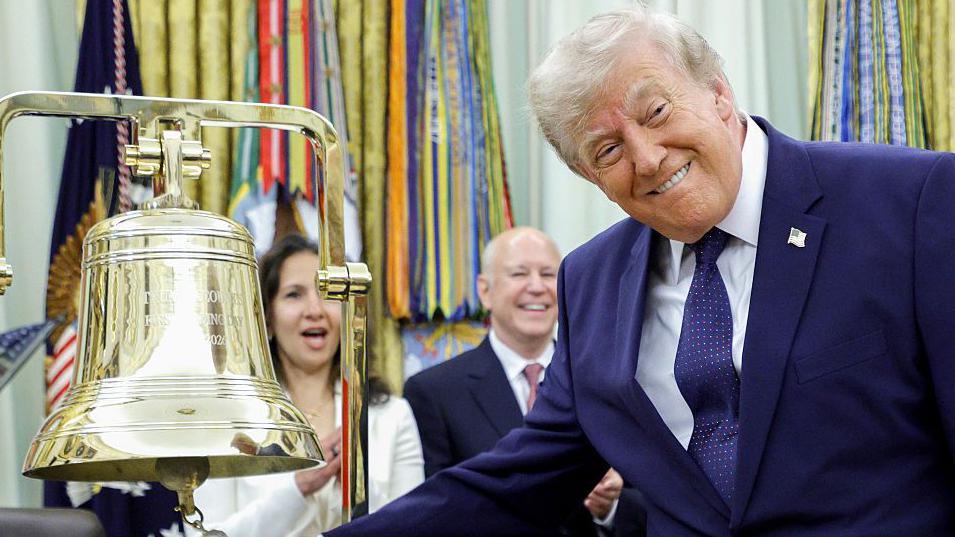
On 4 July, the White House inaugurated Trump Accounts in a ceremony marked by President Donald Trump ringing the Wall Street opening bell in the Oval Office. The initiative, aimed at encouraging early investment, offers a $1,000 subscription for babies born between 2025 and 2028 and allows parents, family, friends and employers to contribute up to $5,000 per child each year.
The accounts, open to any child under 18 with a social‑security number, invest the money in a low‑cost index fund for long‑term growth. While the balance grows tax‑free, withdrawals before age 59½ trigger a 10 % penalty unless the funds are used for education, buying a first home or emergencies.
Supporters argue the plan could welcome millions of children into the U.S. market and help level the playing field, citing a White House claim that an average of $1,000 per qualifying child will be credited. The scheme also boasts backing from big names such as BlackRock, Visa and Dell, who pledged participation.
Critics counter that the scheme is too complex and that the majority of beneficiaries will be well‑informed, better‑off families. Will McBride of the Tax Foundation claims only a minority will find the structure useful, while Cato Institute’s Adam Michel warns that penalties may push low‑income families to withdraw early at a cost.
Early data shows that around six million families had signed up before launch, and the White House reports that over 500,000 accounts have received the $1,000 subsidy and that nearly $125 million has been contributed. Analysts expect that returns could swell from the initial $1,000 to $6,000 by age 18 under historical market averages, and up to $271,000 if maximum contributions are made.
The program’s long‑term success remains to be seen, as lawmakers and the public weigh whether it truly democratizes financial participation or simply rewards those already ahead.