A woman is currently awaiting execution in Somalia after being convicted of killing a 14-year-old girl in her care.
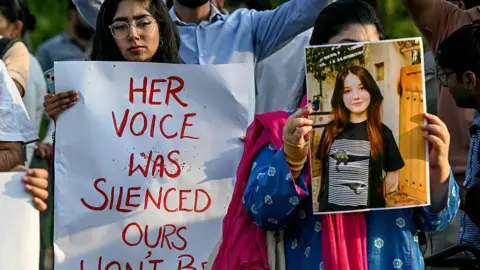
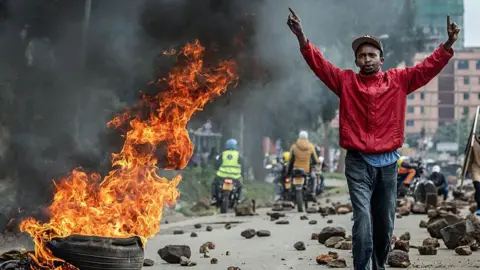
The murder of orphan Saabirin Saylaan in November, and the horrific details that emerged about the circumstances surrounding her death, sparked protests near her home in Galkayo, along with renewed calls for greater child protection.
The case touched a deep nerve in a country where child abuse often goes unreported, especially when it occurs inside extended families.
For many, Saabirin's death symbolised a broader failure in child protection and the slow implementation of legal safeguards meant to prevent such tragedies.
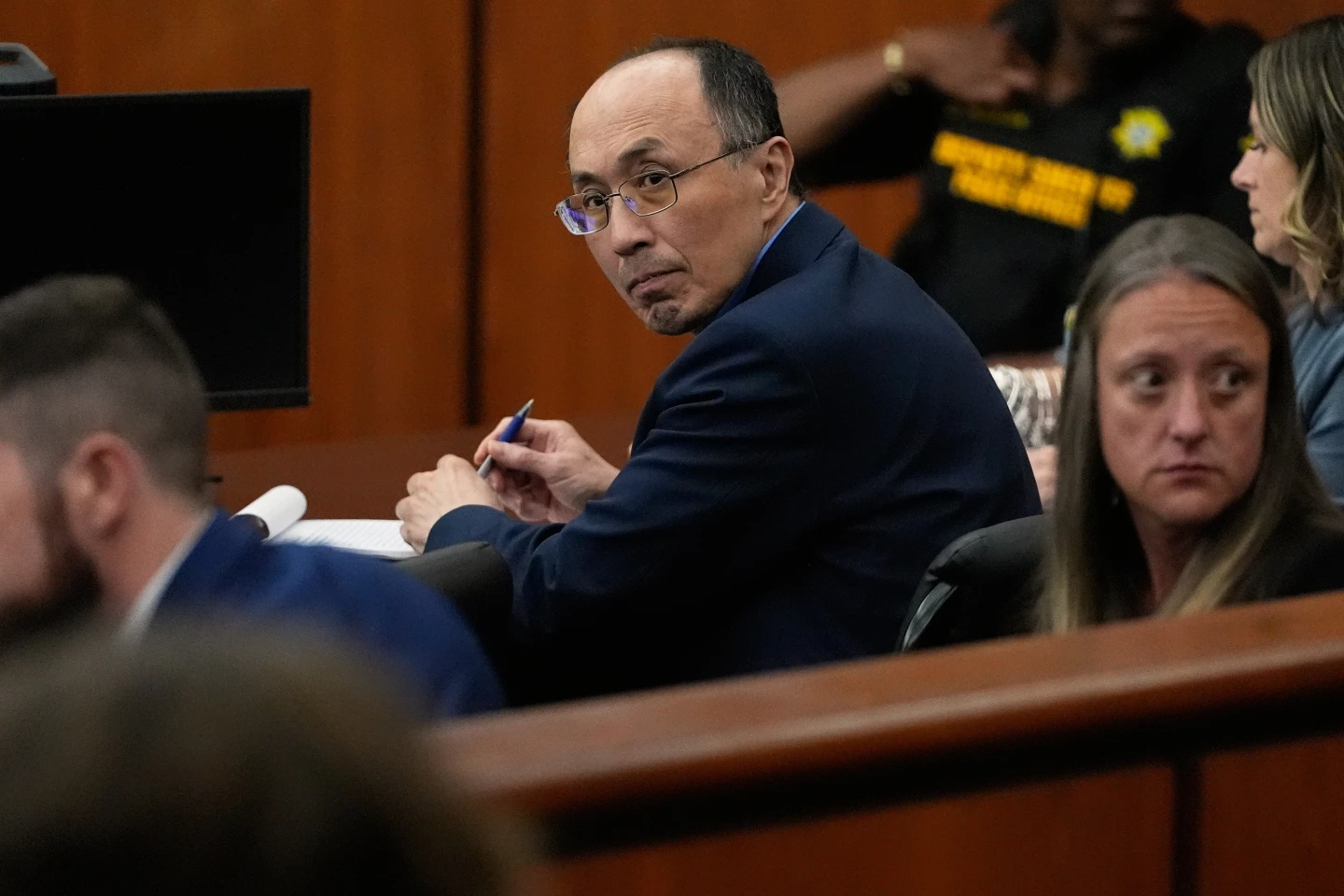
The conviction of 34-year-old Hodan Mohamud Diiriye for murder marked one of the rare instances in Somalia where a court imposed the ultimate penalty for child abuse.
Diiriye had denied the charges and her lawyer has filed an appeal against the verdict.
Her husband, Abdiaziz Nor, 65, was acquitted of murder but sentenced to one year in prison and fined $500 for negligence.
Saabirin was orphaned when both her parents died within a short period when she was just one year old.
But her life took a devastating turn in September after Saabirin's great-aunt agreed that Diiriye's family, who needed a home help, could take her in.
During their investigation, police revealed that in the two months she was living there, the young girl had endured routine physical abuse - she was beaten and tortured.
A post-mortem examination revealed multiple injuries and deep stab wounds consistent with prolonged violence.
As details of the police investigation emerged, public anger grew.
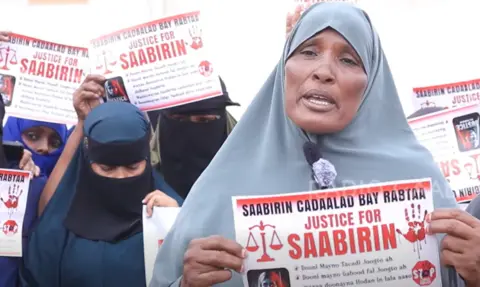
Hundreds of women and young people marched in Galkayo, carrying signs reading Justice for Saabirin and calling on the authorities to prosecute all those responsible.
Online, young women and girls launched a wave of solidarity campaigns, using hashtags invoking Saabirin's name.
The outrage has ignited discussions about legal reforms and child safety in Somalia, sparking a demand for clearer protections and the implementation of existing laws against child abuse.
Saabirin's tragic story has galvanized a community to push for systemic change in protecting children's rights and safety within the home.