Sitting in a wine bar in Kyiv on a Saturday night, Daria, 34, opens a dating app, scrolls, then puts her phone away. After spending more than a decade in committed relationships she's been single for a long time. I haven't had a proper date since before the war, she says.
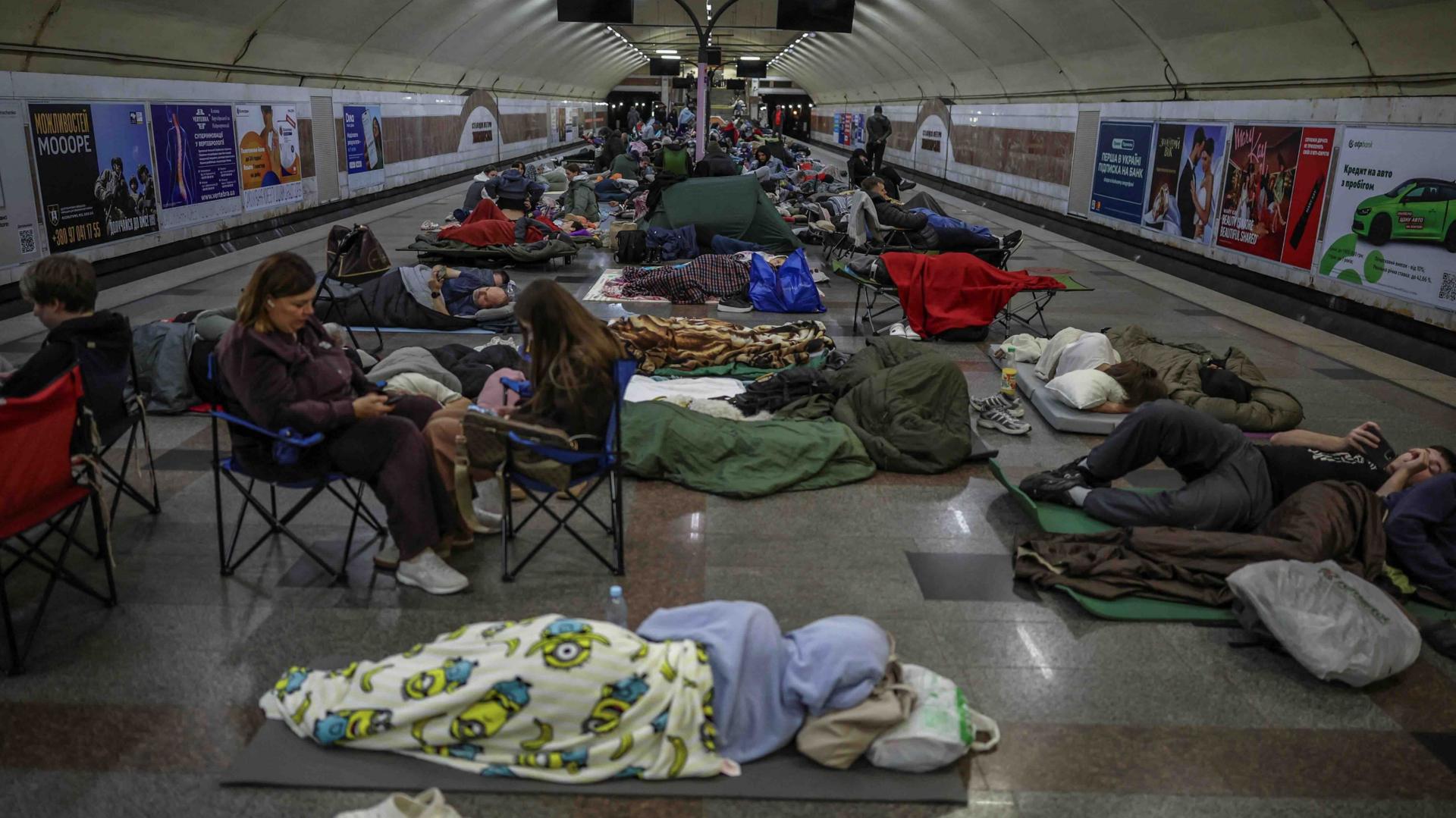
Four years of war have forced Ukrainians to rethink nearly every aspect of daily life. Increasingly that includes decisions about relationships and parenthood – and these choices are, in turn, shaping the future of a country in which both marriage and birth rates are falling.
Millions of Ukrainian women who left at the start of the 2022 full-scale invasion have now built lives and relationships abroad. Hundreds of thousands of men are absent too, either deployed in the army or living outside the country. For those women who stayed, the prospect of meeting somebody to start a family feels increasingly remote.
Khrystyna, 28, living in Lviv, expresses concerns over the significant lack of available men, particularly those of fighting age. Many, I would say most [men] are afraid to go out now, in this situation, she says, referring to the conscription squads present in the city. She shares the sentiment that many soldiers returning from the front may be traumatized, further complicating the possibility of forming new connections.
Daria lists her options for potential partners, categorizing them into three distinct groups: those avoiding conscription, soldiers in long-distance relationships, and younger men who may leave the country at any moment. Each option carries its own risks and uncertainties that deter her from pursuing new relationships.
As the conflict continues, many soldiers stationed near the front line have also shelved the idea of starting a relationship. They express the impossible nature of making long-term commitments amidst ongoing risk and violence. With the number of marriages in Ukraine plummeting from 223,000 in 2022 to 150,000 in 2024, the consequences of this disruption threaten to ripple far into Ukraine's future.
Demographers warn that the implications of declining birth rates and rising emigration signify a potential demographic crisis. The long-term effects of war on family life in Ukraine are still unknown, as many families continue to face uncertainty regarding their futures. As Daria remarks, Planning a future feels fragile, almost naive. This uncertainty is painful, but it becomes a part of everyday life.