In brief
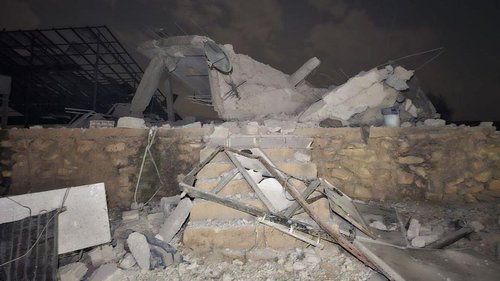
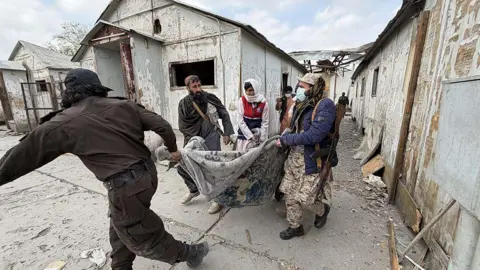
A recent air strike in Kabul has led to a significant number of casualties and a sharp increase in tensions between Afghanistan and Pakistan. Both countries have exchanged heated words and accusations on social media, as they attempt to control the narrative surrounding the conflict. The Taliban claims that the strike targeted civilians at a rehabilitation center, while Pakistan insists it was aimed at military installations. The situation continues to evolve, with both sides expressing a willingness to retaliate amidst deepening hostilities.
The conflict between Afghanistan and Pakistan has escalated following a recent air strike in Kabul, reportedly resulting in over 140 casualties, including a high number of civilians. The Taliban's spokesperson condemned the air strike, labeling it a crime against humanity for reportedly hitting a drug rehabilitation center while emphasizing that the Pakistani military's actions are a violation of Afghan sovereignty.In a retaliatory exchange, Pakistan's Ministry of Information branded the Taliban's statements as propaganda, asserting that the air strike aimed at military targets used by the Taliban and allied groups. Pakistan's military has reported a surge in militant attacks, attributing them to groups operating from Afghanistan, a claim denied by Taliban officials who argue that they are merely defending their territory against external aggression.The narrative battle has been marked by social media posts from both sides, indicating a chilling escalation in rhetoric. Afghan officials accused the Pakistani military of deliberately targeting vulnerable populations, while Pakistani representatives maintained that their military operations are aimed at protecting civilian lives from terrorism.As the clash of words continues, both nations find themselves at a precarious juncture. High-ranking officials in Pakistan have openly stated there will be no retreats or apologies for their military actions, setting the stage for an increasingly aggressive military stance. Meanwhile, Taliban leaders have promised severe retaliatory measures if attacks persist, having indicated in the past that they would not tolerate military aggression against their homeland.Amid ongoing violence, efforts for de-escalation seem to be overshadowed by entrenched positions and mutual distrust, raising concerns over potential further conflicts between the two nations.