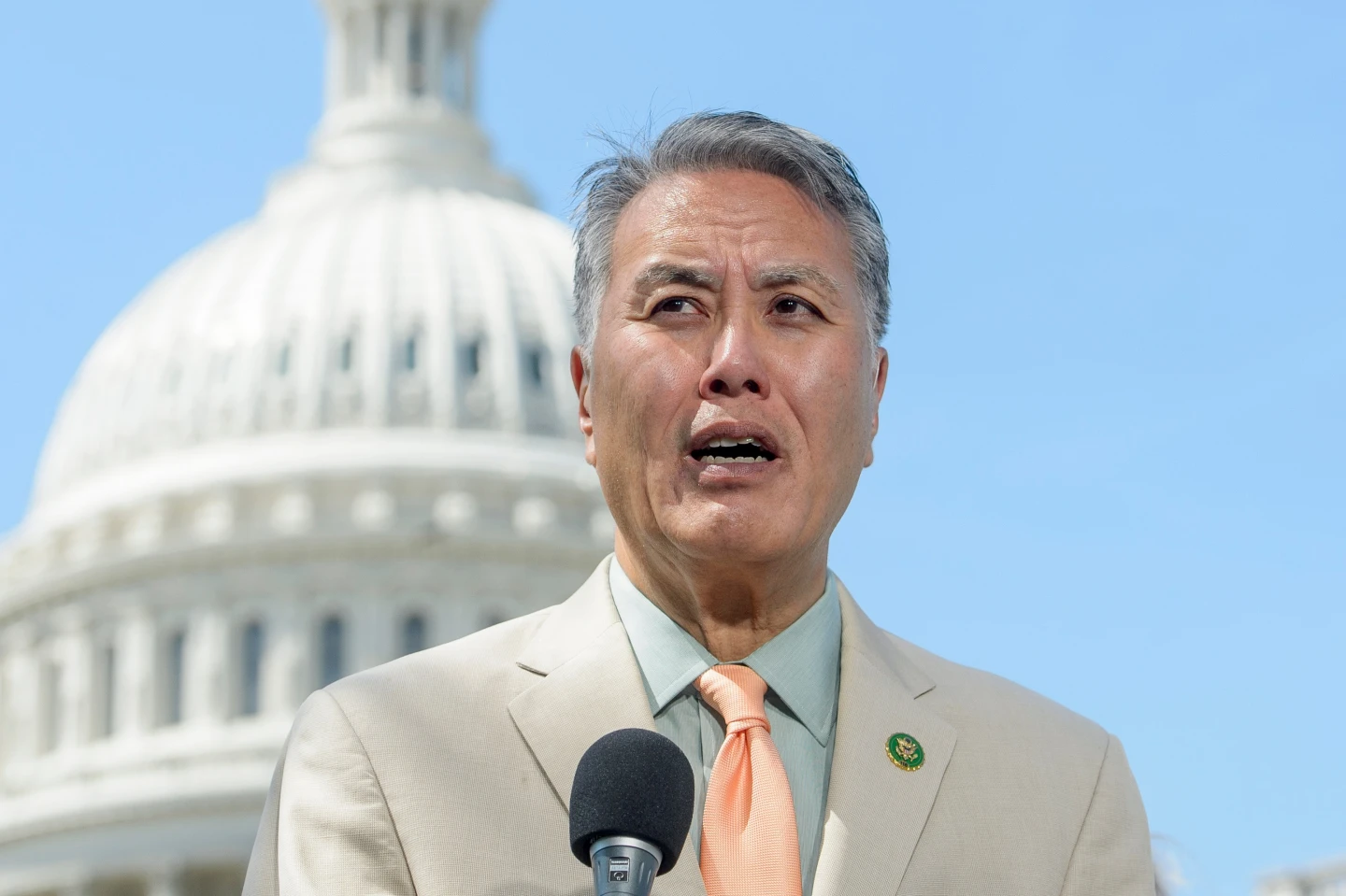
WASHINGTON (FlashPoint) — Rep. Mark Takano returned home to Southern California this Fourth of July amid sweeping immigration patrols, triggering memories of his family's internment during World War II. The congressman's American-born parents were imprisoned as children in relocation camps—a reality that now fuels his warnings about Trump's current immigration enforcement tactics.
'When I hear arguments claiming immigrants pose grave danger to national security, I see the same narrative used to strip rights from vulnerable communities,' Takano stated during an interview. 'My father and mother, just two and one years old respectively, were labeled 'enemy aliens' and sent to incarceration camps. This administration makes the same false claims, under the guise of national security.'
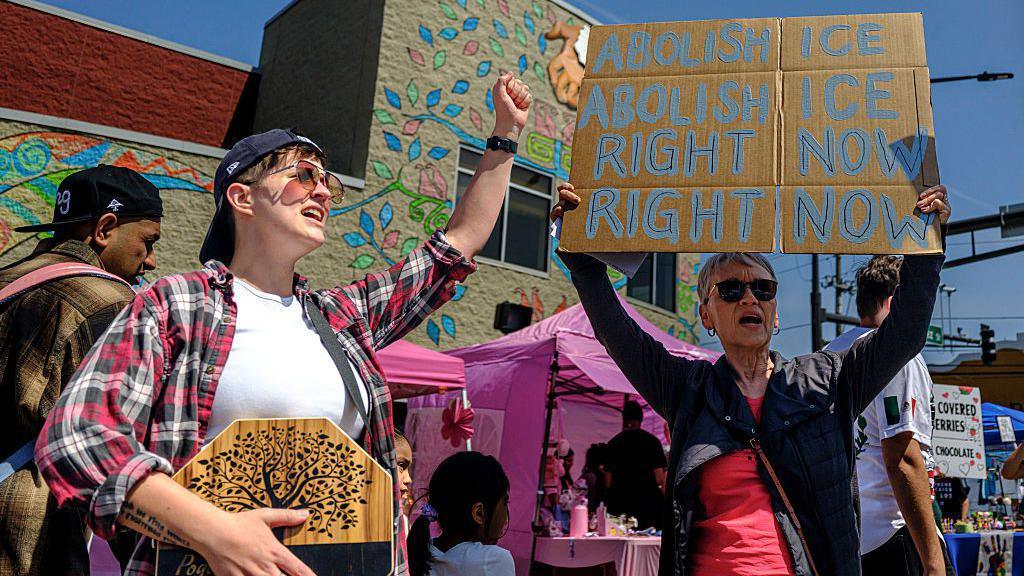
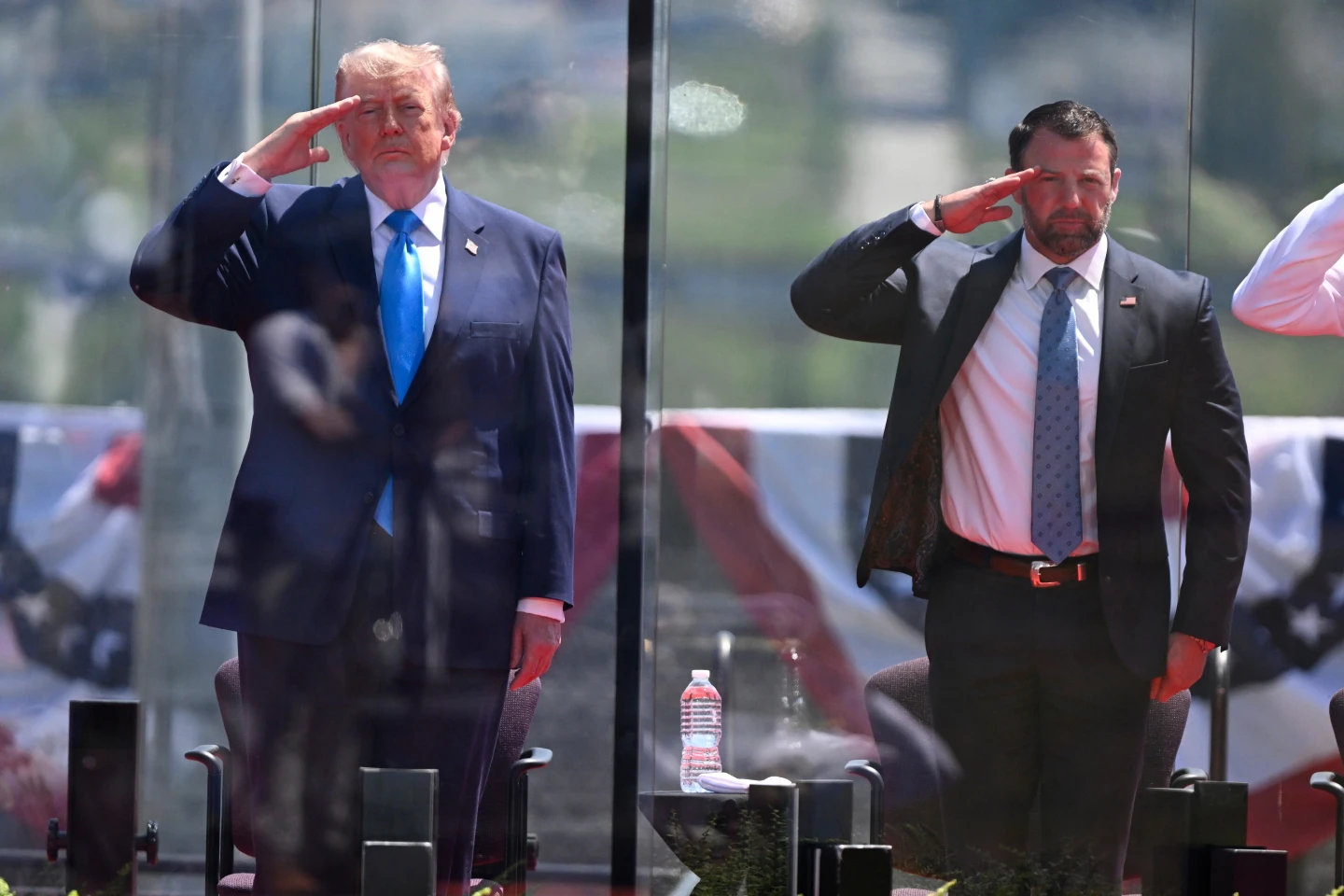
The White House is reshaping Department of Homeland Security leadership as Trump's promise of the 'largest mass deportation operation in U.S. history' intensifies. Following the deaths of U.S. citizens Renee Good and Alex Pretti—protesters against ICE actions in Minneapolis—authorities have ramped up raids, detentions, and deportations. New DHS Secretary Markwayne Mullin reportedly aims to reduce media coverage of operations, but congressional Republicans continue funding billions for annual deportation targets of 1 million people.
Takano, a former high school history teacher and ranking Democrat on the House Veterans' Affairs Committee, leverages his family's story to challenge current policies. His grandfather Isao Takano, who arrived from Hiroshima and married a U.S.-born citizen, built a strawberry and tomato business in Washington state before Pearl Harbor. When the U.S. entered the war, the family—along with 120,000 others of Japanese ancestry—was forcibly relocated.
Takano's father William was 2 years old when his family was sent to Tule Lake, California's camp, while his mother Nancy was 1 when interned at Heart Mountain, Wyoming. 'Today's immigration sweeps feel like the past being relived,' he said. 'Will future generations visit Alligator Alcatraz and ask, 'How could our government do this?' That's why Congress must act now.'
The 1988 Civil Liberties Act—which provided $20,000 reparations and an apology to Japanese American internees—served as a model for redress. Takano's parents received the compensation, but today's activists face similar hardships: smashed car windows, raided homes, and shattered livelihoods. 'We're living through an era of mistakes,' Takano emphasized. 'Congress must show leadership to prevent history from repeating itself.'
His father took him to see the family's former land, where he learned about uncles who served in the 442nd Regimental Combat Team. One soldier died in Italy while fighting for his country despite his family's internment. Takano credits his father with collecting donations for the redress campaign.
Activists warn current enforcement tactics risk permanent damage to communities, while Takano argues: 'This isn't just history—it's about protecting our values. We must act now to build a stronger, more just society.' With Congress still debating redress measures, Takano remains hopeful but urgent: 'Our responsibility to future generations demands action.'}
'When I hear arguments claiming immigrants pose grave danger to national security, I see the same narrative used to strip rights from vulnerable communities,' Takano stated during an interview. 'My father and mother, just two and one years old respectively, were labeled 'enemy aliens' and sent to incarceration camps. This administration makes the same false claims, under the guise of national security.'
The White House is reshaping Department of Homeland Security leadership as Trump's promise of the 'largest mass deportation operation in U.S. history' intensifies. Following the deaths of U.S. citizens Renee Good and Alex Pretti—protesters against ICE actions in Minneapolis—authorities have ramped up raids, detentions, and deportations. New DHS Secretary Markwayne Mullin reportedly aims to reduce media coverage of operations, but congressional Republicans continue funding billions for annual deportation targets of 1 million people.
Takano, a former high school history teacher and ranking Democrat on the House Veterans' Affairs Committee, leverages his family's story to challenge current policies. His grandfather Isao Takano, who arrived from Hiroshima and married a U.S.-born citizen, built a strawberry and tomato business in Washington state before Pearl Harbor. When the U.S. entered the war, the family—along with 120,000 others of Japanese ancestry—was forcibly relocated.
Takano's father William was 2 years old when his family was sent to Tule Lake, California's camp, while his mother Nancy was 1 when interned at Heart Mountain, Wyoming. 'Today's immigration sweeps feel like the past being relived,' he said. 'Will future generations visit Alligator Alcatraz and ask, 'How could our government do this?' That's why Congress must act now.'
The 1988 Civil Liberties Act—which provided $20,000 reparations and an apology to Japanese American internees—served as a model for redress. Takano's parents received the compensation, but today's activists face similar hardships: smashed car windows, raided homes, and shattered livelihoods. 'We're living through an era of mistakes,' Takano emphasized. 'Congress must show leadership to prevent history from repeating itself.'
His father took him to see the family's former land, where he learned about uncles who served in the 442nd Regimental Combat Team. One soldier died in Italy while fighting for his country despite his family's internment. Takano credits his father with collecting donations for the redress campaign.
Activists warn current enforcement tactics risk permanent damage to communities, while Takano argues: 'This isn't just history—it's about protecting our values. We must act now to build a stronger, more just society.' With Congress still debating redress measures, Takano remains hopeful but urgent: 'Our responsibility to future generations demands action.'}