In brief
The ongoing government shutdown has placed the future of SNAP benefits in jeopardy, affecting millions of Americans who rely on the program. Conflicting court rulings and legislative negotiations could determine whether recipients will receive full benefits moving forward. The Supreme Court is expected to rule soon on whether to allow states to provide full funding amidst legal battles sparked by the Trump Administration’s actions.
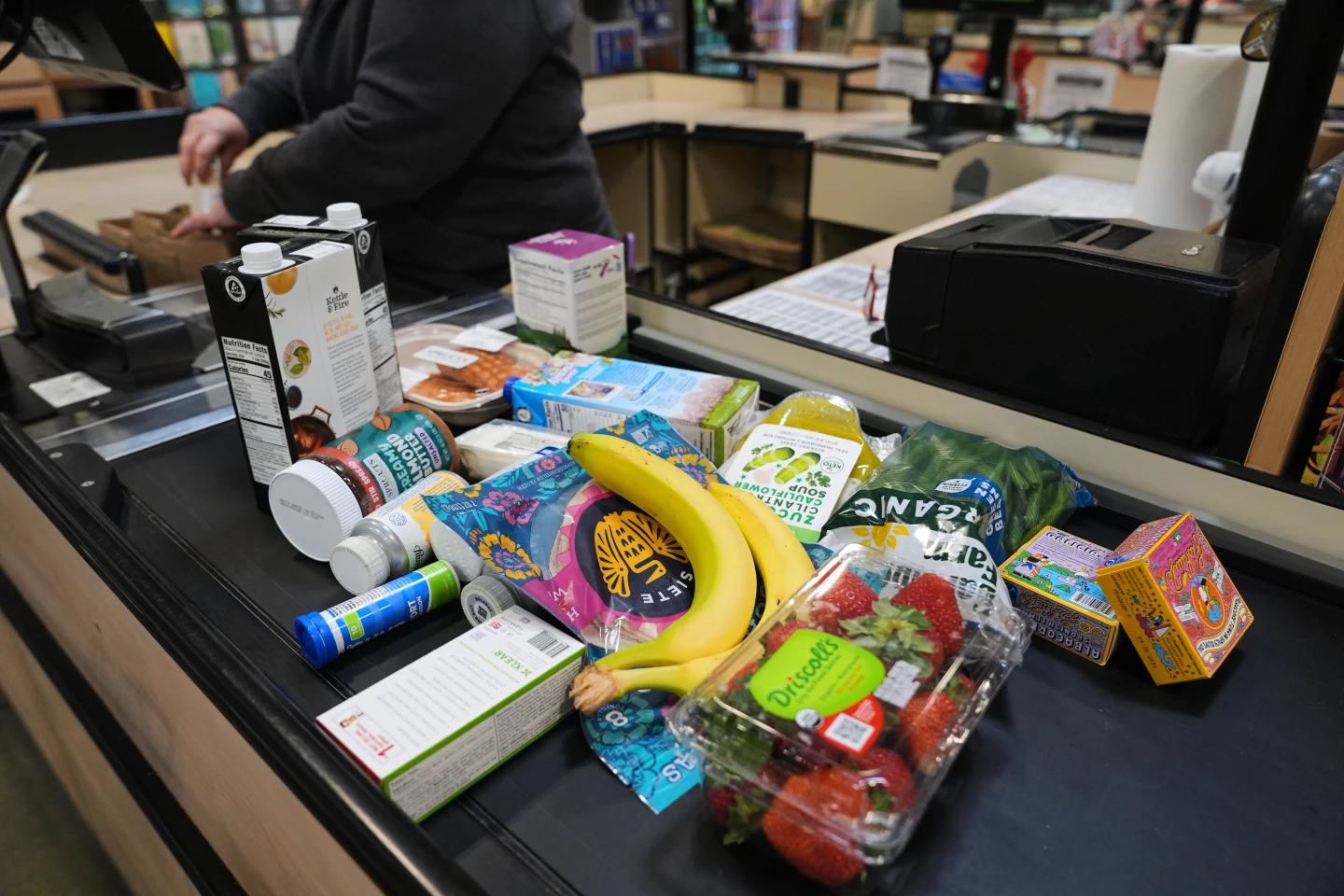
The U.S. Supreme Court and Congress face mounting pressure to resolve issues surrounding the Supplemental Nutrition Assistance Program (SNAP), which aids 1 in 8 Americans with grocery expenses. With many families feeling financial strain due to the ongoing government shutdown, the court's decision could significantly impact SNAP funding.
Expected on Tuesday, the Supreme Court will rule on a request from the Trump administration to maintain restrictions on full benefits to states, claiming that funds may be needed for other priorities. The uncertainty has led to beneficiaries experiencing varying degrees of support across states, with some receiving full benefits while others see little to none.
The federal government's decision to cut SNAP funding from October has sparked a series of lawsuits and conflicting judicial decisions impacting food access for 42 million Americans. Although recent rulings have mandated that beneficiaries receive at least partial benefits, the administration has hesitated to adhere to a full funding requirement for November, raising concerns over critical funding channels.
Legal proceedings may soon be moot if Congress moves swiftly to pass legislation aimed at reopening the government and replenishing SNAP funds. A Senate bill to restore full funding recently passed, but it awaits approval from the House, with the Speaker urging members to return to Washington for discussions.
The urgency of this matter cannot be understated, particularly for families relying on SNAP benefits. Some, like Jim Malliard from Pennsylvania, find themselves in dire situations, having not received any assistance for November. With mounting debts and dwindling food supplies, beneficiaries report climbing anxiety as the discussions drag on.
As Congress and the Supreme Court navigate these critical decisions, the future of SNAP benefits—and the well-being of millions—is at stake.