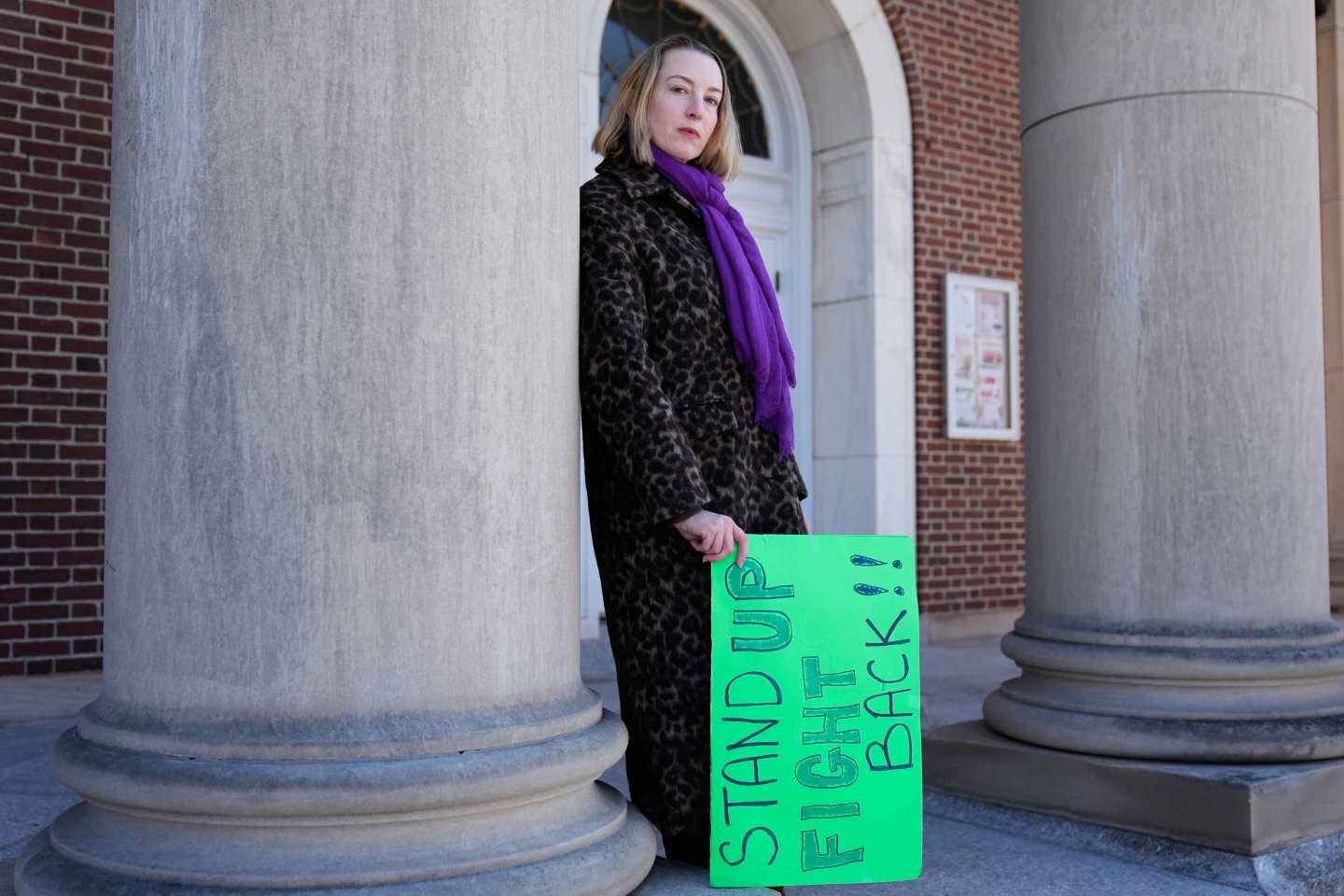
MONTCLAIR, N.J. — A few years ago, Allison Posner was barely engaged in politics. Now, she provides food and essentials to immigrant families near a local detention center, actively participates in protests, and this weekend, she plans to lead a major demonstration in her affluent town alongside her family. This movement reflects a larger trend of suburban citizens rising against the current administration, with many viewing President Donald Trump as a significant threat to American democracy.
The suburban population is definitely radicalizing, Posner remarked, highlighting the growing involvement of concerned parents and community members in resisting Trump’s policies.
With over 3,000 demonstrations planned nationwide, including a significant number outside urban areas, grassroots organizations predict that more than 9 million people could participate in what could become the largest day of protests in U.S. history.
Many of these newly minted activists hail from traditionally moderate or conservative backgrounds, signifying a substantial political shift in suburban regions across the country. The election of progressive candidates is reshaping not only these communities but the Democratic Party as a whole, potentially challenging conservative strongholds amid the growing anti-Trump sentiment.
Indivisible, an advocacy group leading the weekend protests, emphasizes that suburban areas with contentious congressional races are seeing the most enthusiastic support. Recent election dynamics signal that suburban voters who reacted unfavorably to Trump are backing candidates who align with progressive values, reshaping the landscape for upcoming elections.
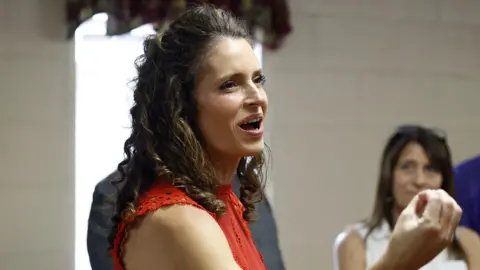
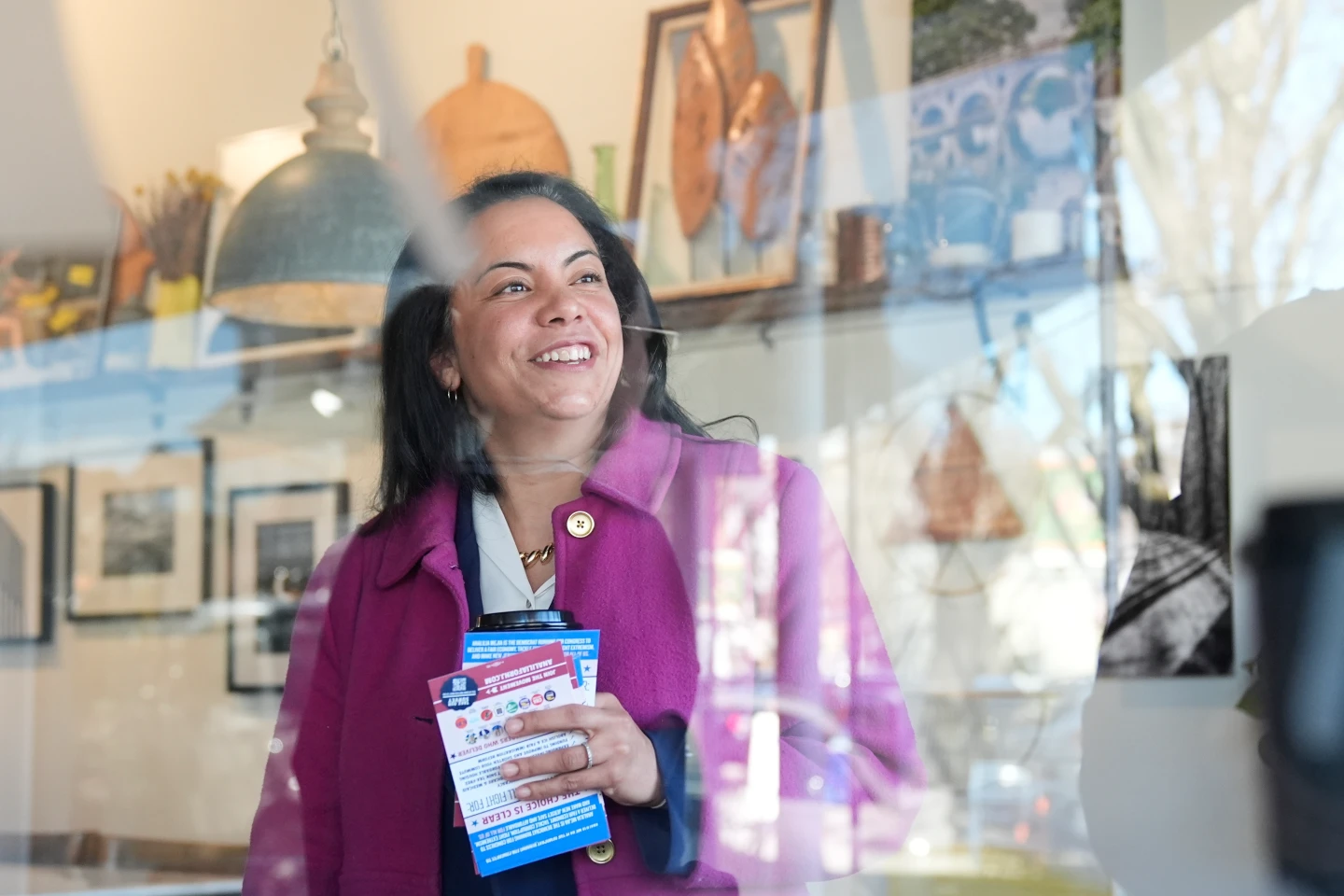
As evidenced by new Democratic nominee Analilia Mejia in New Jersey’s 11th District, who has garnered significant backing for her outspoken progressive stances and promises to represent constituents’ interests vigorously, the shift away from traditional Republican values becomes more apparent.
Amidst this backdrop, suburban activists, including mothers taking children to sports events or local gatherings, express a desire to engage in the political discourse, challenging the notion that politics don’t concern them. The fight for democracy is now viewed as a community effort.
In conclusion, the evolving political landscape in the suburbs, championed by citizen activists rallying against Trump’s administration, signals a crucial turning point that could impact not only local elections but the broader national political climate ahead.