Hungarians go to the polls today in an election that could see a major shift in power, potentially bringing an end to Viktor Orbán's 16-year tenure as Prime Minister. The election is being closely watched, not only for its local implications but also for its potential impact on Hungary's relationships with the European Union and Russia.
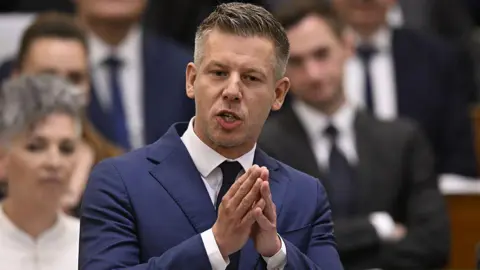
Challenger Péter Magyar, who has split from Orbán's ruling Fidesz party to form his own grassroots movement called Tisza, is gaining traction ahead of the vote. Most polls suggest that Magyar leads, and his campaign focuses on promises of a 'change of regime' and a reevaluation of Hungary's ties with Brussels and Moscow.
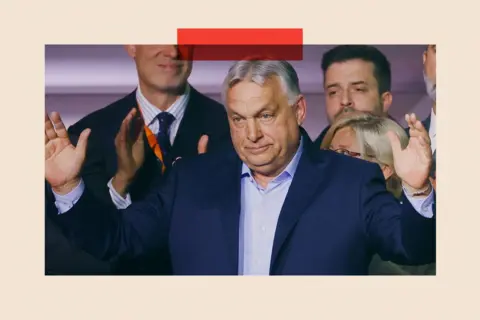
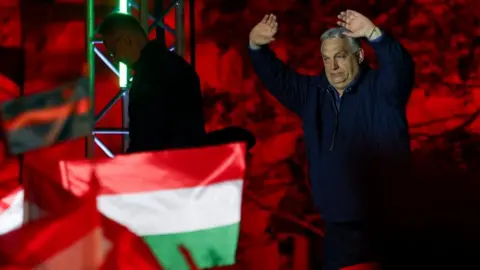
As voting began at 06:00 local time, Orbán expressed defiance at a rally, promising his supporters a victory that would surprise even themselves. He has intensified his campaign rhetoric in the lead-up to the election, alleging that the opposition will stop at nothing to seize power.
The stakes are high, with some analysts suggesting a significant lead for Magyar's party, underscoring a yearning for change within the electorate. Key towns and cities are battlegrounds where Magyar will need to secure victories to unseat Fidesz's majority.
The election is expected to draw significant attention, particularly amid economic struggles in Hungary and ongoing tensions with the EU concerning aid to Ukraine. Orbán's party has faced criticism for its governance, leading to concerns that the electoral system may not yield the expected outcome for the ruling party.
Voter sentiment appears to be shifting, as evidenced by the large turnouts at opposition rallies. As both campaigns conclude, the outcome remains uncertain, making this election a critical juncture for Hungary's political landscape.