In brief
After three commercial vessels were attacked near the Strait of Hormuz, maritime traffic fell sharply. Kpler reports only 23 ships crossed the strait on Wednesday, down from 47 the week before. The incident follows a series of US‑Iran exchanges since a late‑February strike on three tankers and a lifting of the US blockade after a June truce. Analysts warn that traffic will remain cautious until another flare‑up. The U.S. memorandum of understanding offers no guarantee of free passage, leaving the Strait's status uncertain.
Ship traffic through the Strait of Hormuz has plunged after a series of US‑Iran strikes.
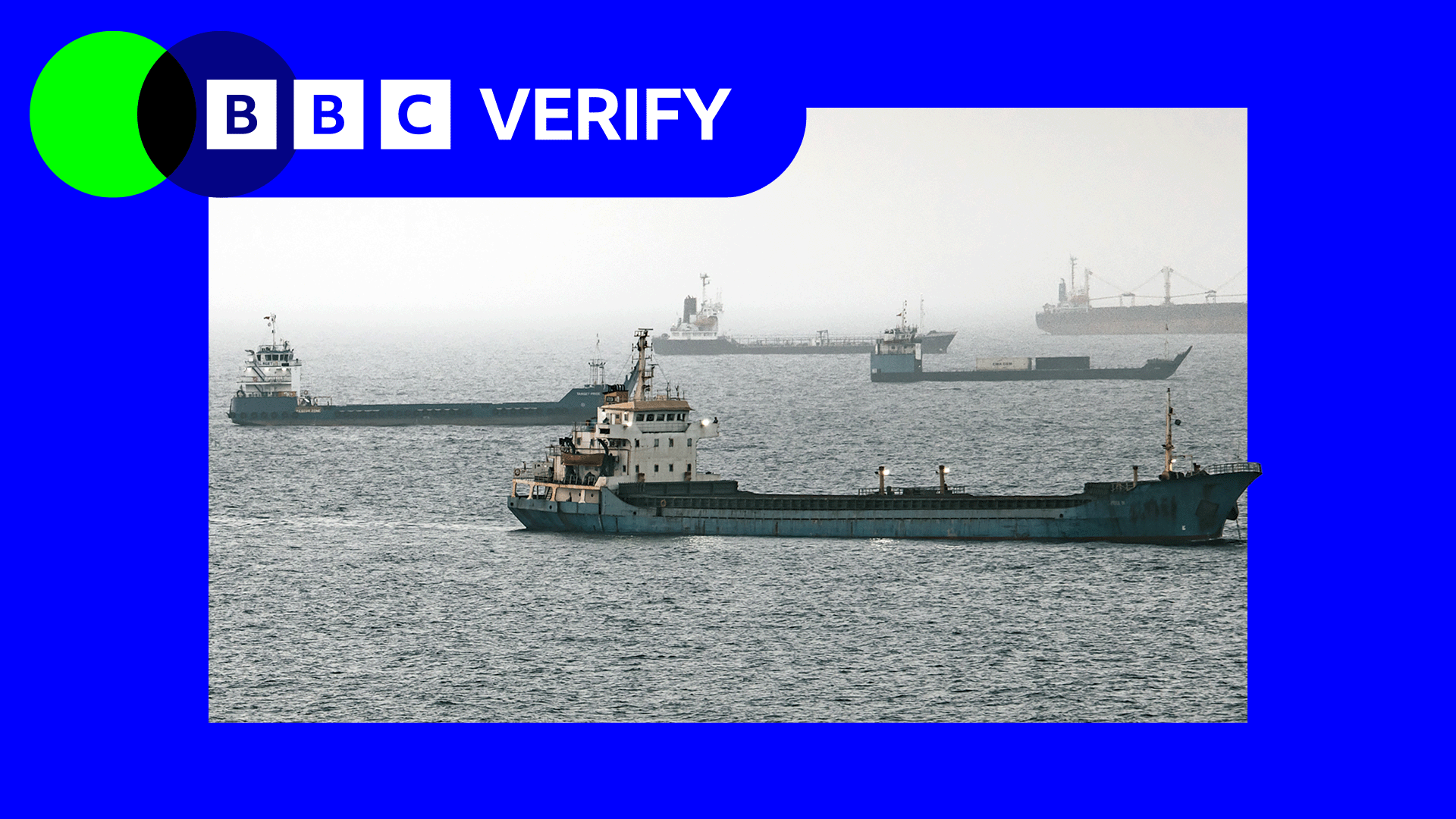
Kpler data shows only 23 tankers and cargo ships crossed the Gulf waterway on Wednesday, compared with 47 the week before.
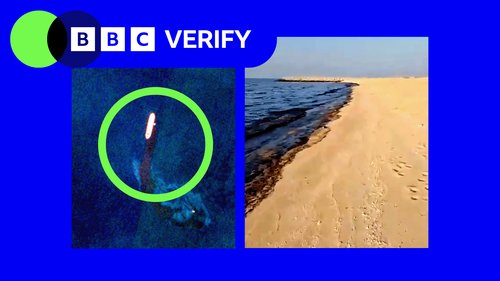
The three vessels hit this week were a Qatar‑owned LNG tanker, a Saudi‑owned crude oil tanker and a Liberia‑flagged crude tanker. All were using the Omani route on the south side of the strait when attacked.
Historically the strait has been a free‑passage zone carrying more than a fifth of the world’s oil and gas flows. The early‑February US‑Iran hostility began when the US launched strikes on Iranian targets after the attack on the three tankers, and the Iranian Revolutionary Guard began mining the shipping lanes.
A June 17 ceasefire agreement offered a temporary reopening, with Iran pledging to allow commercial vessels to pass for 60 days and to remove its blockade on Iranian ports. It also began a dialogue with Oman to define a future navigation regime.
However the two sides still disagree on routing. Iran insists on a single lane hugging its coast; the Joint Maritime Information Center (JMIC) recommends the safer south‑bound Omani route. The Omani route’s traffic peaked at 28 vessels on 25 June, then fell sharply after the latest attacks.
Experts predict a pattern of back‑and‑forth violence could repeat, with shipping levels hovering around a new low until another accident sparks a fresh round of retaliation.
The memorandum of understanding is criticised for its vagueness. A maritime security expert said it does not permit Iran to target civilian shipping in Omani waters and gives no long‑term guarantee of free passage.
In a NATO summit address the US government said the MOU was “over” but that negotiations could continue, while Iran called the US revocation of a sanction‑easing licence a breach of the agreement.
With the strait still under threat from mines, blockade threats and sporadic attacks, the global supply chain remains at risk. Monitoring local shipping movements, the future of Gulf trade will hinge on a renewed, reliable agreement between the US and Iran, along with clear international navigation rules.