In brief
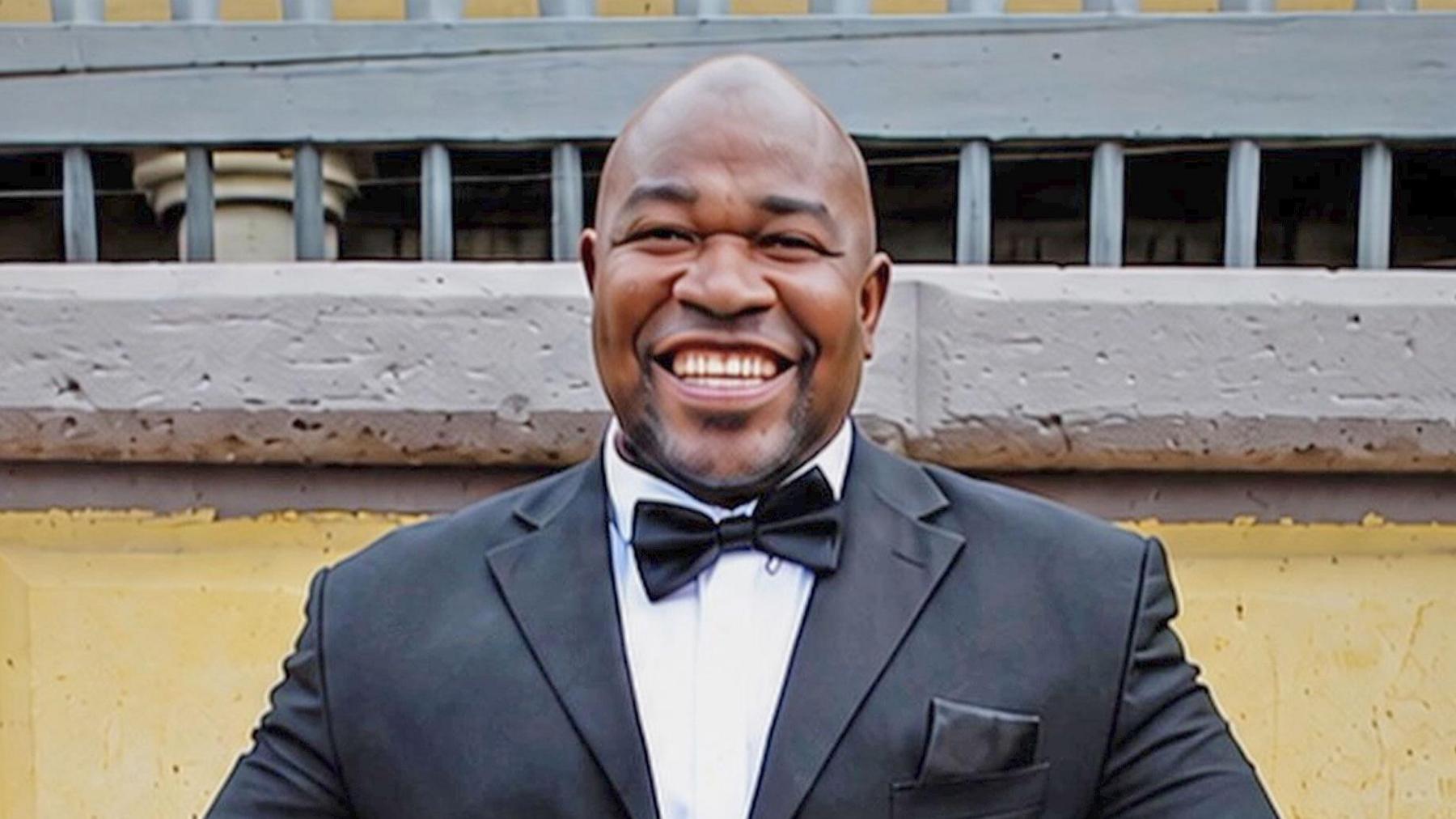
Lt Col Frans Mathipa, a senior policeman, was shot dead in August 2023 while driving home from pursuing a crucial investigation. Seven special‑forces soldiers and a military police officer face murder charges, yet they remain free, amid claims of a cover‑up. Police documents portray a front‑company vehicle tied to the soldiers that tracked Mathipa to the scene. Abdella Abadigga’s disappearance—an alleged IS‑connected refugee—was the case Mathipa was probing, and the military’s alleged involvement in his abduction has led to a decades‑long legal fight. The investigation shows a chilling lack of accountability within the South African military and sparks calls for urgent justice.
BBC investigative reporters have uncovered new evidence pointing to South Africa’s own special forces as the likely culprits in the murder of senior police officer Lt Col Frans Mathipa.
Mathipa, a respected detective of “The Hawks” special police unit, had spent four months hunting a lead on the disappearance of Abdella Abadigga, an Ethiopian refugee and alleged IS recruiter. Just two days after a promised breakthrough, his vehicle was found overturned and he had been shot dead while driving back to Pretoria.
Police documents, now in the public domain, show a black BMW tracking Mathipa to the motorway just before the shooting. The vehicle was registered to a front company – Peters Communications Trust – linked to the South African special forces. A key officer in the vehicle, Maj Sunnybooi Wambi, has been identified as a member of the special forces and was present at the site of Abadigga’s alleged abduction in December 2022.
Seven special‑forces soldiers and one military police officer faced murder charges in August 2023. They claim innocence and have been released on bail, though later most had their bail revoked. Representatives from the South African army declined to comment directly on the allegations.
The investigative paper also outlines an alleged training exercise at the Mall of Africa in early January, during which the special forces soldiers monitored Abadigga and his bodyguard. Surveillance footage shows a blue‑clad officer paying for parking moments after the couple appeared, corroborating police claims that the vehicles were linked to a special‑forces front company.
The case never reached a courtroom. Court council claims mental‑health treatment as the grounded reason for the accused’s absences, while the army has still not handed over any evidence. The most recent JHA March press filing still lists an anticipated trial date, but none have yet materialised.
Basetsana Mathipa, the detective’s daughter, has demanded justice, stating: 'We need justice. I will never see my dad again because he was doing his job.' She carries the family’s pain and the nation's grief.
The broader controversy touches on the authority of South Africa’s military. Domestic law mandates that all armed‑forces operations require lasting authorisation by the president and cabinet. However, no evidence has emerged linking the military leadership or government to the alleged abduction or the investigative branch, despite repetitive requests for clarity.
Across the timeline, special‑forces soldiers have reportedly issued a chilling threat: any detective assigned to the line of investigation faces an implicit danger. The warnings, delivered through the Criminal Intelligence division, have become a stark reminder of the power misused within the military.
Beyond the legal limbo for the suspects, the case illustrates a broader lack of accountability within South Africa’s security apparatus. The trial of a senior detective at the crossroads of counter‑terrorism and trafficking has yet to be held, and the political cost of ignoring such evidence remains uncertain.