In brief
A surge of 78,000 migrants to Spain’s Ceuta enclave has prompted Italy to suspend its Schengen ties, closing borders and maritime points. In response Spain has decried the move as unjust and threatened counter‑measures if the restrictions persist. Italy insists the clampdown is necessary to block further migration into the Schengen area, while Madrid accuses it of discriminatory policy. The clash has strained diplomatic ties and sparked broader EU debate over border security.
Spain warns it may respond to Italy’s border clampdown with counter‑measures
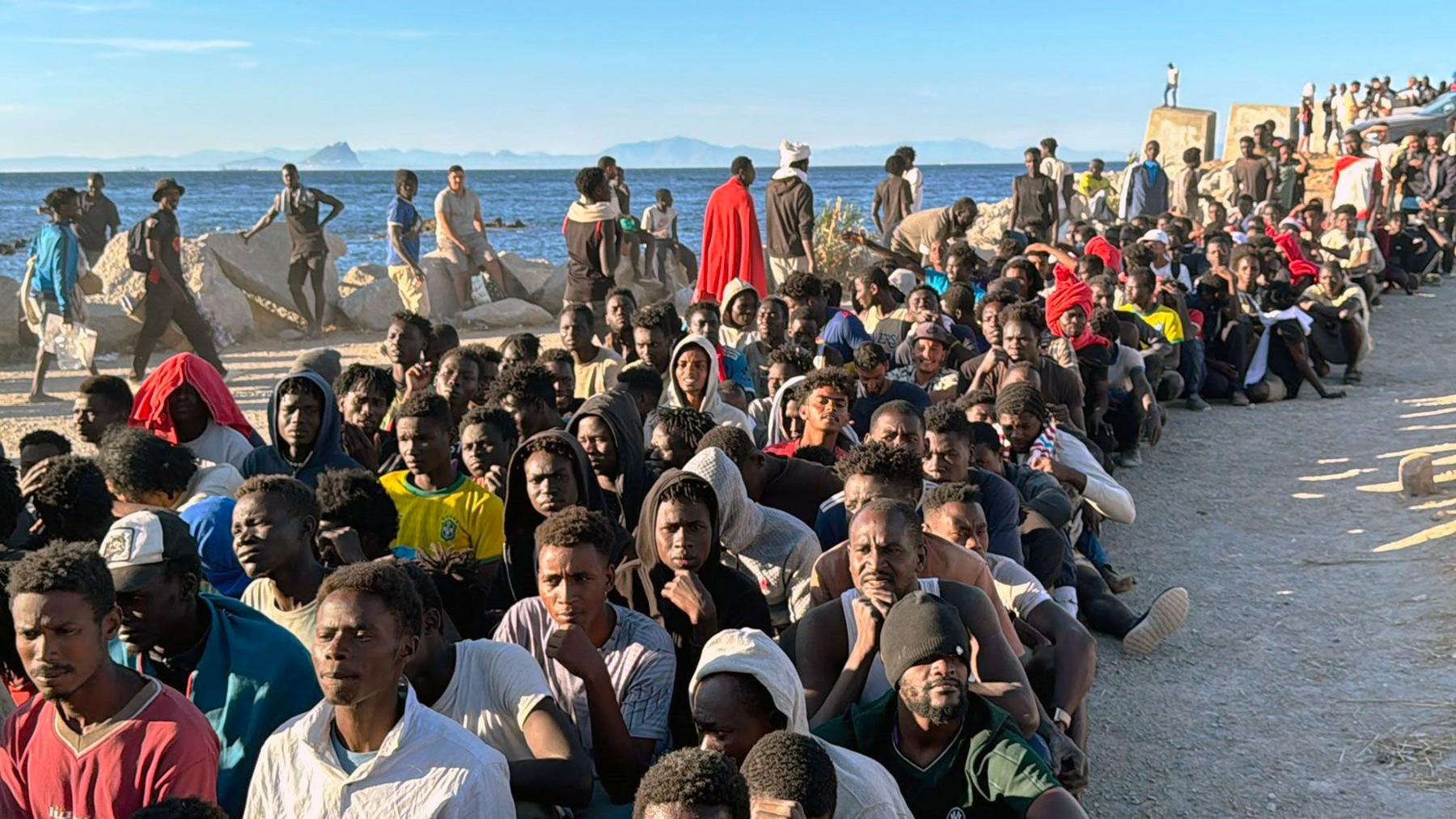
Following a sudden influx of around 78,000 migrants by sea into the Spanish exclave of Ceuta on 30 and 31 July, Italy has partially suspended its Schengen arrangement with Spain, closing maritime and air entry points and reinforcing land border checks. Spain denounced the move as unjust and discriminatory, demanding that Italy lift the restrictions by 9 August or face retaliation.
The Madrid government said it would introduce proportionate measures to protect “the interests and dignity of its citizens” if Italy keeps the controls in place. Italy, however, insists it will maintain border checks until at least 15 August, citing the need to prevent migrants from travelling further into Italy, and has dismissed the Spanish accusation as “spurious” and “lacking factual basis”.
The dispute has deepened the already tense relationship between Spanish socialist leader Pedro Sánchez and Italian conservative leader Giorgia Meloni, who has long called for stricter migration rules in the EU. The crisis also sparked broader European debate: Finland and Denmark endorsed Italy’s measures, while the Czech Republic called for a temporary suspension of Spain from the Schengen zone.
Morocco’s government blames a domestic court decision for the breach in the border’s integrity, arguing that the “deterrent element of the system collapsed not under the weight of criminals, but of a judge’s decision”. Meanwhile, Spanish Youth Minister Sira Rego confirmed that nearly 1,400 minors remain in Ceuta, noting that the system was overwhelmed but is now under control and prioritising vulnerable cases.