South Korea Demands Apology From North Over DMZ Landmine Blasts
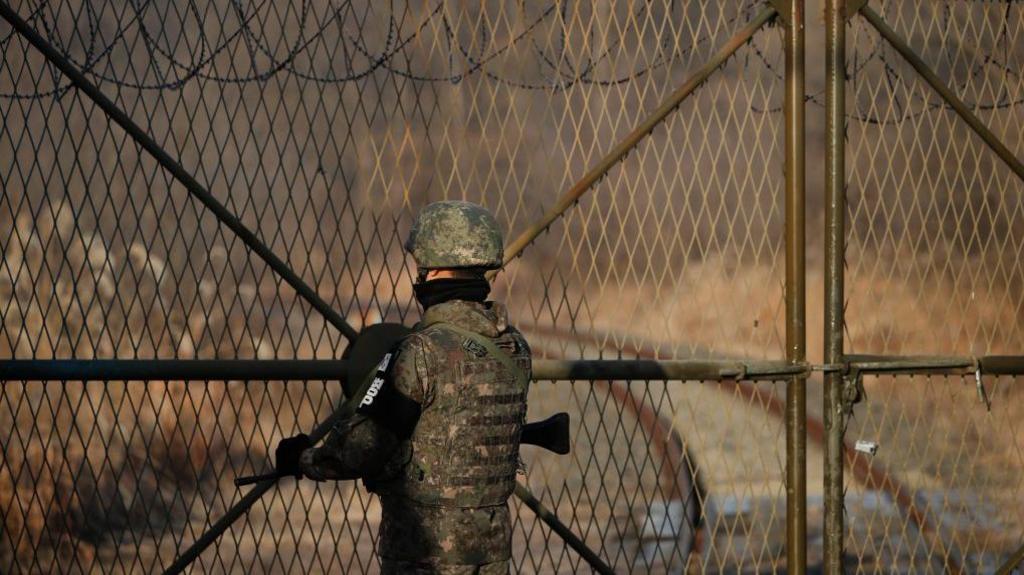
On September 21, three South Korean soldiers were injured when landmine explosions went off within the Demilitarised Zone (DMZ), the buffer strip that divides the two Koreas.
The South’s Defence Ministry said it was "certain" the blasts were caused by mines laid by North Korean forces on Seoul’s side of the border, and decried the act as a clear violation of the 1953 armistice. It has demanded an apology and the immediate removal of any such fortifications.
North Korea denied the allegations and called Seoul’s claims "groundless" and a "farce" designed to heighten tensions. Kim Yo Jong, the senior sister of Kim Jong Un, accused the South of "cooking up" the accusations for political and military provocation and warned the South of the costs of its own incitement.
The DMZ, 4 km (2.5 mi) wide, was created by the 1953 armistice that ended active combat in the Korean War and includes a Military Demarcation Line marking the land border. Since that time, sporadic clashes and mine incidents have occurred, most notably in 2015 when two South Korean soldiers were maimed by landmines allegedly planted by North Korean troops.
The latest flare‑up has reignited fears of accidental escalation. Christopher Green of the Crisis Group notes that the North has been “wilfully attempting to harden the border” and that inter‑Korean communication has deteriorated markedly since the 2015 incident.
The United Nations Command, which oversaw on‑site investigations into the blasts, said it would address the alleged breach through established armistice mechanisms, pledging to preserve stability and prevent further escalation on the Korean Peninsula.