In brief
South Korea’s Jeju Island has seen four bodies found dead amid mounting public criticism of the country’s police for mishandling missing‑person cases. The discovery follows a scandal that led to the arrest of a police sergeant who allegedly closed cases prematurely and lied to families. President Lee Jae‑Myung announced sweeping police reforms amid scrutiny over reforms that shifted investigative power from prosecutors to police. The incident highlights concerns about police discipline, accountability and the impact of a low crime environment on missing‑person investigations.
Four people missing on Jeju Island have been found dead, intensifying a scandal over the South Korean police’s handling of missing‑person investigations.
Last week, authorities announced a belated search for a woman who had been missing for months, sparking criticism that the police had failed to investigate her case early enough.
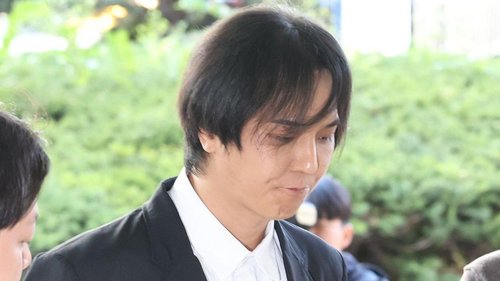
The case deepened when a police sergeant named Bu was arrested for allegedly lying to victims’ families and prematurely closing missing‑person cases.
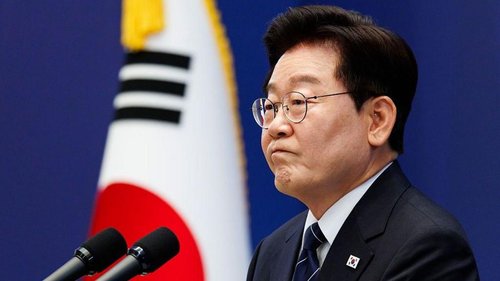
President Lee Jae‑Myung ordered a sweeping reform of the police force after four officers in Bu’s chain of command were placed on administrative leave.
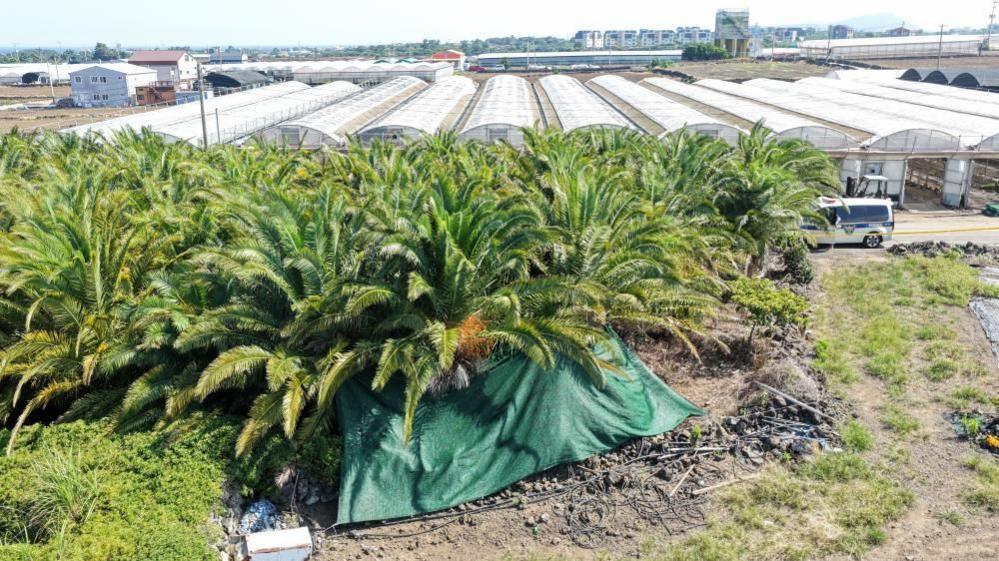
Since Saturday, police have found four bodies on Jeju Island, including 37‑year‑old Jang Mi‑ran, who went missing in May. Her body was located at a palm tree farm about 500 meters from her home, where she is believed to have killed herself.
Police also found the body of a man in his 60s from Jeju City who had gone missing on 28 June. Bu had closed his case and had told the family that the man was “safe” but “does not wish to disclose his location”—a claim that proved false until the body was discovered.
Police are now investigating nearly 300 missing‑person reports handled by Bu and contemplating any involvement in two other bodies found in coastal villages recently.
Jeju Island, known for its palm trees and crystal‑clear waters, welcomes over 13 million visitors annually. While violent crime is rare in South Korea, suicide rates are among the highest globally.
Experts suggest that the country’s low crime rate may lead police to take missing‑person cases less seriously, assuming most are resolved quickly.
In a Cabinet meeting, President Lee condemned the breakdown in police discipline and questioned whether the police deserve such power. The national police chief admitted a sistemic fault during an emergency National Assembly hearing.
This scandal comes at a politically sensitive time as South Korea has recently reformed police powers to reduce prosecutor influence in politics—an unpopular change among a public that long accuses police of corruption and incompetence.