In brief
South Africa’s main cities witnessed thousands of anti‑migrant protestors demanding that undocumented migrants leave the country. The protests were met with a heavy police presence backed by private security and the deployment of the army in Johannesburg and Durban. Over 25,000 migrants have already been repatriated, largely from other African countries, while several incidents of violence and looting were reported. The movement, led by groups such as March and March and Operation Dudula, has called for a six‑month campaign of weekly protests to pressure the government for immigration reform and to “get rid of” non‑citizen migrants.
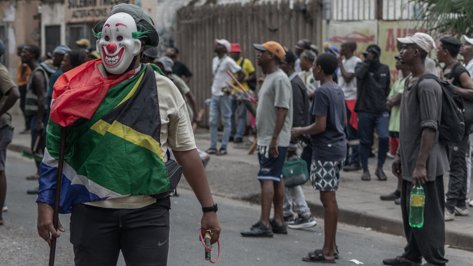
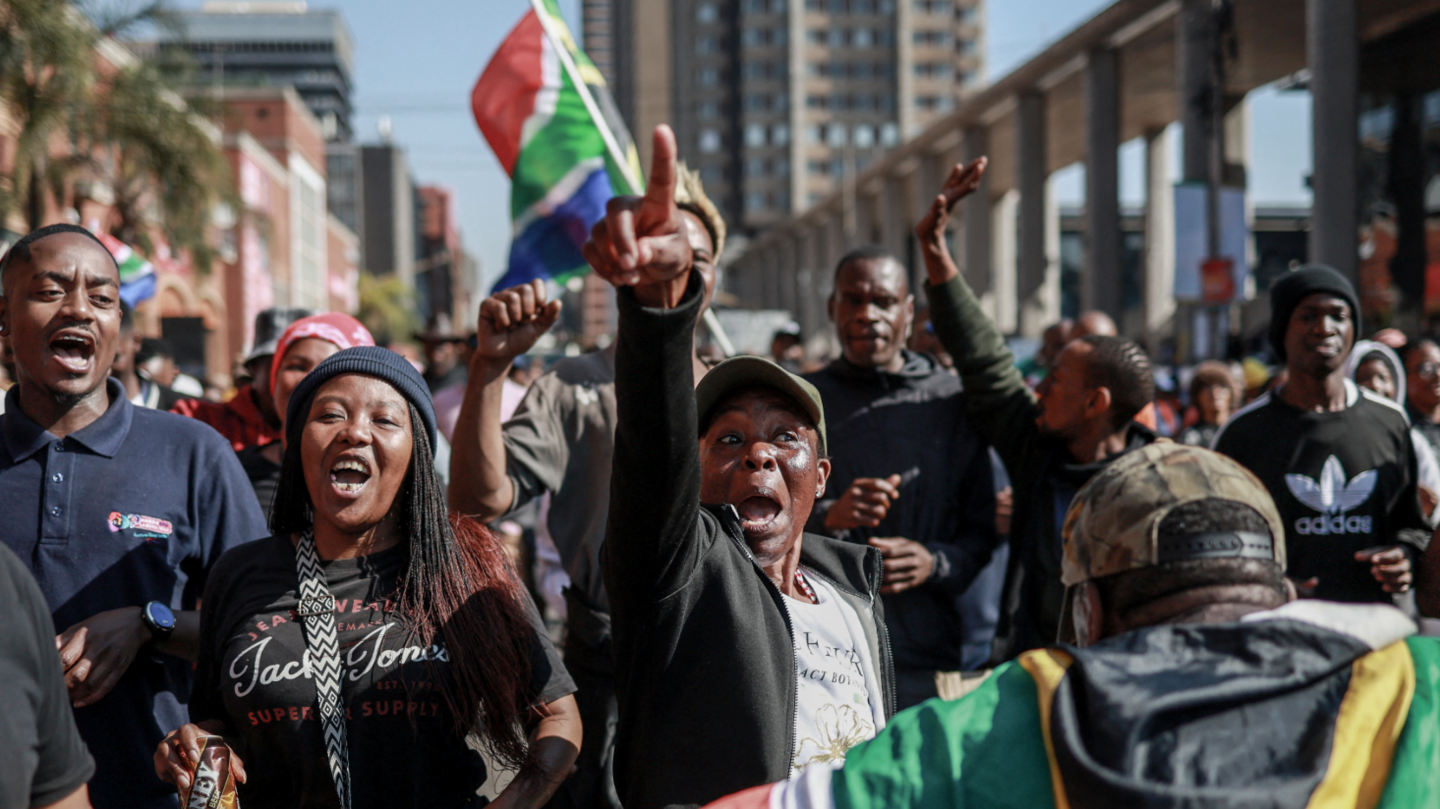
On Thursday, 29 June 2026, thousands of demonstrators marched through Pretoria, Durban, Johannesburg and other major South African cities demanding that undocumented migrants leave the country. The protestors, largely organised by the groups March and March and Operation Dudula, set a deadline of Tuesday for non‑citizens to depart.
Police responded with a massive deployment of officers and private security guards to prevent clashes. In addition, Police Minister Firoz Cachalia confirmed that the army was on “contingency” duty in parts of Johannesburg and Durban, marking an unprecedented escalation in the spotlight of the protest.
Despite the tense build‑up, most of the protests were largely peaceful; the Ministry of Police reported only isolated looting incidents. Nonetheless, the marches triggered violence in areas with high migrant populations – in Hillbrow, Johannesburg residents were attacked, and the marchers retaliated by torching a suspect’s vehicle. In some suburbs, demonstrators seized private property, including a shop in Soweto, leading to several arrests for looting and violence.
Officials say that the government has already repatriated roughly 25,000 migrants, mostly from other African nations. Many, particularly Malawians, have been forced to leave under duress; 7,000 have already been deported to Malawi and thousands more are waiting in transit camps, some stranded in Mozambique.
The situation has prompted President Cyril Ramaphosa to meet protest leaders before Tuesday’s marches to defuse tensions, while he has repeatedly warned against violence and called for immigration reforms.
The protests are part of a larger pattern of xenophobic sentiment that has plagued South Africa since the end of apartheid. According to the African Centre for Migration and Society’s Xenowatch, two people were killed this year due to anti‑foreign attacks, a stark reminder of a 2008 wave of violent anti‑migration riots that killed more than 60 people.
With the threat of escalating violence looming over cities like Durban where traditional weapons have been allowed to march on certain days, law‑enforcement agencies remain on high alert as businesses shut down and streets become heavily patrolled.
The clash of civic necessity and xenophobia threatens to further inflame a fragile socio‑economic landscape where unemployment remains above 30 per cent. The upcoming weeks will be critical to see whether South Africa can navigate this crisis peacefully while safeguarding the rights of both citizens and foreign‑born residents.