In brief
Sonam Wangchuk, a Ladakhi engineer and climate activist, maintains an indefinite hunger strike outside Delhi’s Jantar Mantar demanding accountability from the education ministry amid a nationwide exam leak controversy. After 16 days he has shed 8.2kg, his blood pressure dropped to 107/70, and his sugar level fell to 67, raising serious health alarms among supporters. Thousands gather each day, with MPs from major parties visiting the protest, while the ruling BJP remains silent. The protest group, the Cockroach Janta Party, plans to march to Parliament on 20 July to pressure for the resignation of Education Minister Dharmendra Pradhan. With doctors warning him to end his fast, Wangchuk remains steadfast, aiming to underscore non‑violent protest strength and illuminate systemic failures in India’s education system.
"I'm weak from the outside, but I'm strong from inside."
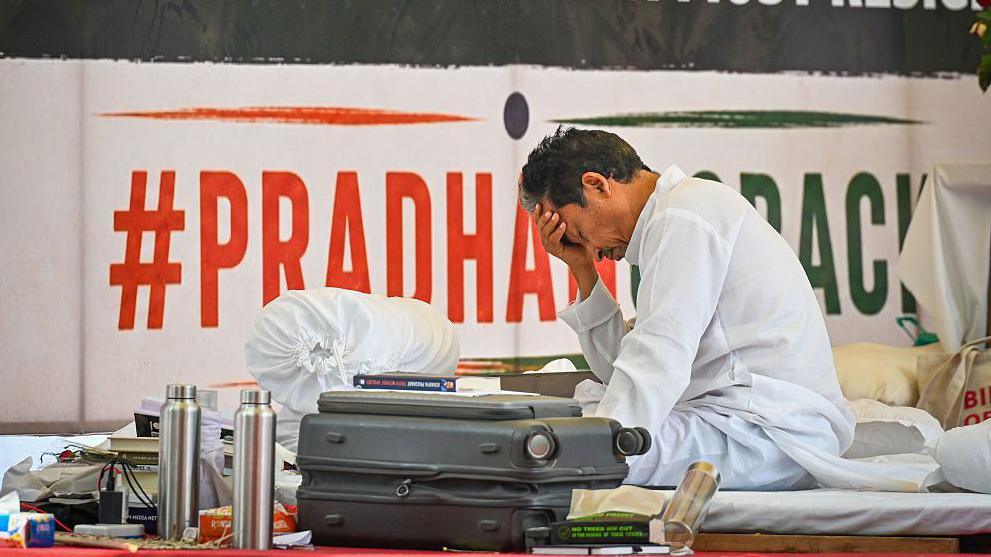
Sonam Wangchuk, 59, sits on a plastic sheet in the noon‑sweltering Jantar Mantar, continuing a protest hunger strike that began on June 29. He insists that his fast is a logical conclusion to demanding accountability from India’s education ministry, especially after the National Testing Agency’s NEET exam paper leak in May.
Health officials report that Wangchuk has shed 8.2kg (18lb), his blood pressure dropped to 107/70 and his blood sugar plummets to 67. Doctors say he should stop the fast immediately, yet he declares he will not quit until the government takes responsibility.
The protest is driven by the Cockroach Janta Party (CJP), an online satirical movement that demands the resignation of Education Minister Dharmendra Pradhan. While MPs from the BJP, Congress and other parties have visited the site, the ruling party remains silent and dismisses CJP supporters as “B‑team of disruptive elements.”
Supporters, including beloved Ladakhi figure “Sonam sir,” face global media, social media and public slogans. Many remain concerned for Wangchuk’s health, urging him to consider ending the fast to survive the “unnecessary pain.”
Despite these pleas, the CJP plans to march on July 20th, the day Parliament opens its next session, insisting that the activists “must speak in the capital” if the government will not engage.
With the national debate heating up, this hunger strike remains at the centre of the dispute over exam integrity, educational accountability, and the methods of dissent within India.