In brief
Indonesia’s peatland wildfires, known as "carbon bombs", have turned Borneo into a toxic haze zone. Volunteer firefighters, many from local Dayak and Banjar communities, are risking their lives to bring down fires that burn deep‑lying peat, releasing massive carbon emissions. Thousands of people in Southeast Asia report severe respiratory symptoms as air quality drops to unhealthy levels. The crisis is rooted in decades of drained peatlands for industrial plantations that made the land fire‑prone. With limited water supplies and ongoing drought, the volunteer firefighting frontline faces exhaustion, repeated re‑ignitions, and the threat of losing their lives.
On the island of Kalimantan, the sky is thick as amber and the ground is a blackened breadcrumb trail. The haze that hangs above the jungle is more than a visual spectacle – it is a toxic cloud of carbon monoxide, fine particulate matter and methane, released when deep peat soils catch fire. The fires, something fire‑fighters call “carbon bombs”, have exploded across the island since early July, scorching an estimated 200,000 hectares of forest and farmland.
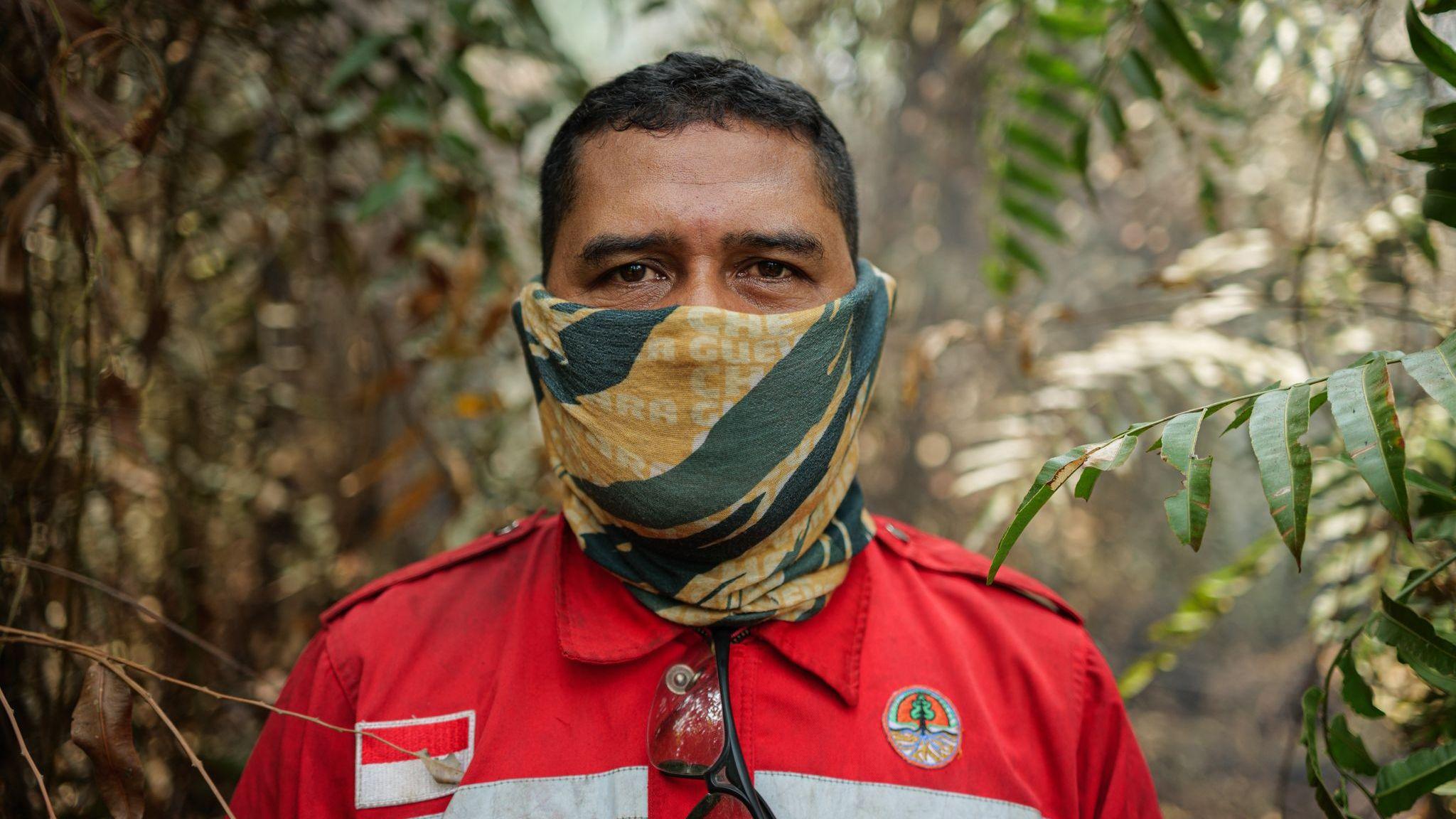
Volunteer firefighters, many of whom belong to the Dayak and Banjar ethnic groups, have answered the call to stand on the front line. They wield hand tools, portable pumps and improvised irrigation systems, digging canals and creating boreholes deep into the dry peat in a desperate bid to keep hoses fed with water. Two volunteers in Central Kalimantan sadly died last month, a stark reminder of the dangers that accompany fighting the peat’s gut‑shattering blaze.
“It’s like breathing in tear gas,” said 35‑year‑old Dwi Sujatmoko, a volunteer who has spent more than a month breathing the haze. He describes the smell as “decaying wood being burned – that characteristic peat scent.” The fumes cause eye irritation, coughing, and in severe cases, heart problems. The health ministry reported over 50,000 respiratory cases linked to the fires, including more than 12,000 children under five.
Scientists call the peatlands Indonesia’s most effective natural carbon store, with some deposits holding over 6,000 tonnes of carbon per hectare. But because the peat layers are so wet and carbon‑rich, once drained for plantation development they dry out and become tinder. Dr Nisa Novita explains how these fires can explode the stored carbon, releasing it into the atmosphere “very rapidly” and catapulting the planet into a sudden spike of greenhouse gases.
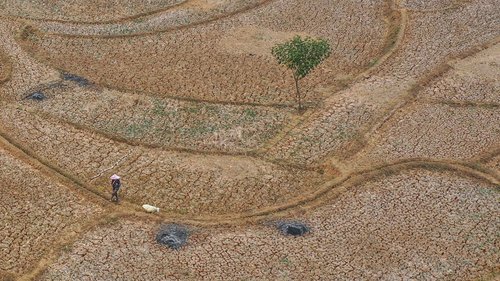
Industrial development has drained 160,000 hectares of forest in 2025 alone, the bulk of it for large‑scale plantations and monocropping. These projects turned once‑petrified swamps into fire‑prone landscapes, freeing them from natural dampness and making them susceptible to the super‑El Niño–driven droughts that have kept Borneo dryer than normal.
Volunteer firefighters face not only the fighting but also a severe water shortage. They are forced to lower their hoses to a “porridge” level ratio of wet ground, yet underground fires erupt again, spewing smoke that can choke even the strongest lungs.
While the besieged volunteers endure fatigue and frustration, they dedicate themselves to the fight: “We’re doing everything we can to help deal with this haze disaster because it’s our duty,” says Sujatmoko. He hopes for rainfall soon and urges people to recognize the scale of the crisis that extends beyond the flames into the atmosphere.