In brief
With the introduction of US sanctions on Serbia's national oil company, NIS, which is largely owned by Russian companies, the country is grappling with escalating energy issues. Serbian leaders must navigate the fallout, including a potential lack of fuel supplies and deteriorating relations with Russia, while exploring alternatives in a region heavily influenced by both US and Russian interests.
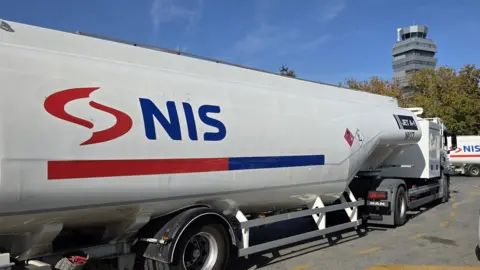
Serbia is increasingly at odds with its traditional ally, Russia, as US sanctions take a toll on its energy sector. The sanctions specifically impact the national oil company, NIS, which is more than 50% controlled by Russian firms including Gazprom and Gazprom Neft.
Serbian Energy Minister Dubravka Djedovic Handanovic indicated that Russian stakeholders have sought a waiver from the US, showing an apparent readiness to transfer control of NIS to a third party, yet time is running out for effective action.
The immediate consequences of the sanctions are visible, with NIS petrol stations reporting the unavailability of credit card payments due to the withdrawal of services from major operators like Visa and Mastercard. This has forced many stations to rely solely on cash transactions, impacting both local customers and foreigners.
NIS is pivotal in Serbia's fuel supply, operating both major oil refineries and accounting for over 80% of the nation's petrol and diesel provision. However, with the flow of oil interrupted due to sanctions, fears grow that refineries could run out of crude oil before the end of November.
Serbia relies on Croatia's Janaf pipeline for oil deliveries, and as sanctions tighten, the flow has been cut. Authorities are in a precarious situation, as refusal to comply or adapt could result in severe fuel shortages.
While neighboring countries like Bulgaria and Hungary are finding ways to manage their own sanctions, Serbia’s complex relationship with Russia makes such transitions more difficult. Despite the urgent situation, nationalization of the oil sector has not gained traction among Serbian officials, primarily due to a historical alliance with Moscow.
The diplomatic tensions extend beyond energy, with Serbia facing criticism from Russia over recent arms trade activities and the lack of clarity on future gas supply agreements. This multifaceted crisis poses significant challenges for Serbia's aspirations to align more closely with the European Union.
As Belgrade navigates this energy impasse, President Aleksandar Vucic's administration must consider whether it can still rely on Russia for support amidst the shifting geopolitical landscape as it possibly re-evaluates its energy strategies and relationships in light of the growing Western influence in the region.